3 Landscape Lessons from Minor White
Our take
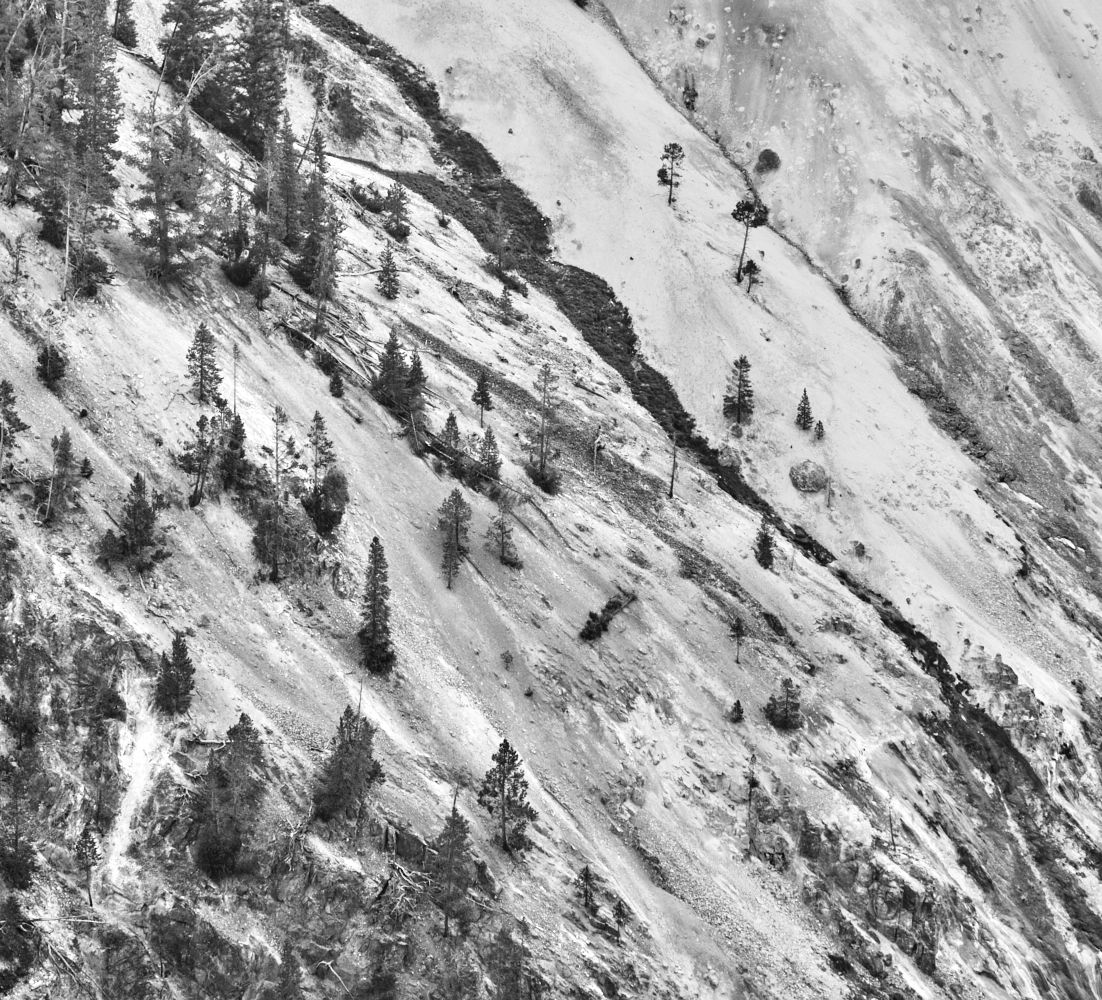
In exploring the artistic legacy of Minor White, it's essential to recognize not only his profound influence on photography but also the lessons his work imparts for contemporary landscape compositions. White, who dedicated much of his life to teaching the nuances of photography, offers invaluable insights that resonate with both budding photographers and seasoned artists alike. His ability to transform ordinary scenes into compelling narratives serves as a reminder of the power of perspective and intentionality in our creative pursuits. For those seeking to deepen their understanding of this craft, the principles that guided White can be pivotal—much like the insights shared in pieces like How do photographers approach museums, churches, and historical places and Super over my work/aesthetic, but having an impossibly difficult time breaking away and experimenting- any tips?.
One of the key lessons from White’s work is the importance of seeing beyond the surface. He had an extraordinary ability to capture the essence of a landscape, emphasizing mood and emotion rather than mere physical representation. This artistic sensibility is not just a technical skill but a philosophical approach to photography, encouraging artists to find depth in their surroundings. This idea challenges photographers to step outside the confines of conventional composition and explore the emotional resonance of their subjects. In an age where visual content is ubiquitous, White's approach reminds us to seek authenticity and personal connection in our work.
Moreover, White’s emphasis on light and shadow in landscape photography is a testament to the power of contrast in storytelling. He understood that light not only illuminates but also shapes the narrative of an image, guiding the viewer's gaze and evoking feelings. This principle is particularly significant in today’s visual culture, where understanding the interplay of light can elevate a photograph from the ordinary to the extraordinary. As photographers experiment with new technologies and techniques, reflecting on White’s mastery can inspire innovative approaches to capturing landscapes, much like the inventive spirit explored in This Photographer Built a Camera That Shoots Wider Than Any Camera You Can Buy.
Lastly, Minor White’s legacy serves as a bridge between artistic expression and personal discovery. His belief that photography should be a medium for introspection encourages artists to explore not just their surroundings but their inner landscapes as well. This holistic approach to creativity fosters a deeper connection between the artist and their work, ultimately resulting in images that resonate on multiple levels. As we navigate the complexities of modern photography, the lessons gleaned from White’s ethos become increasingly relevant, urging us to cultivate a practice that is both skillful and soulful.
Looking ahead, it is vital for emerging photographers to embrace these lessons as they carve their paths in the ever-evolving landscape of visual art. How can we continue to honor the artistic principles of pioneers like Minor White while integrating contemporary techniques and perspectives? As we ponder this question, we invite a dialogue that not only celebrates the past but also shapes the future of photography—a future where every landscape captured tells a story that is as vibrant and authentic as life itself.
Read on the original site
Open the publisher's page for the full experience