35 vs 50 vs 85mm for Portrait Photography
Our take
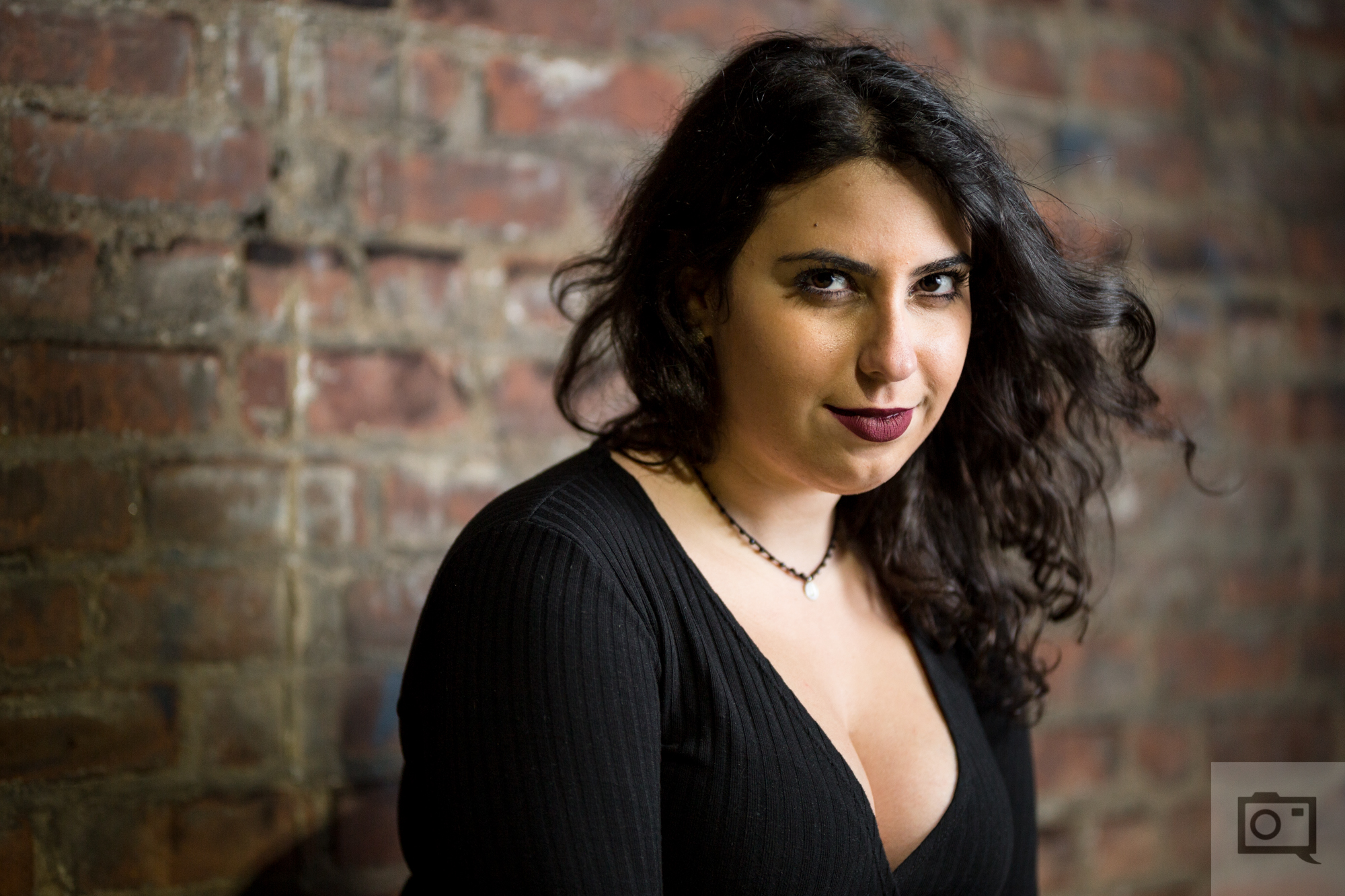
The evolving landscape of portrait photography is fascinating, isn't it? For years, the 85mm lens reigned supreme, considered *the* classic choice for flattering portraits. But the recent advancements in 35mm and 50mm lenses have undeniably shifted the conversation. It’s no longer a question of whether these wider focal lengths *can* be used for portraits, but rather, how they can be leveraged to achieve distinct creative visions. This shift is particularly relevant given the renewed appreciation for older technology, as highlighted in [CIPA: The DSLR Made a Bit of a Comeback]— photographers are increasingly experimenting with different tools and approaches, demonstrating a desire to move beyond established norms. And speaking of established norms, the enduring appeal of prime lenses like the Sigma 85mm is undeniable, a fact beautifully explored in [The Beauty of the Sigma Classic 85mm Lenses]; it’s a testament to the power of craftsmanship and optical excellence. Ultimately, the article rightly points out that the “best” focal length isn’t an objective truth, but a reflection of the desired aesthetic.
The beauty of this development lies in the expanded creative possibilities it unlocks. The 85mm, with its inherent compression and shallow depth of field, excels at isolating the subject and creating a dreamy, romantic look—perfect for headshots and intimate portraits. However, the wider perspectives offered by 35mm and 50mm lenses allow photographers to incorporate more of the environment into the frame, telling a richer story and establishing context. A 35mm portrait, for instance, can capture the subject within their workspace, their home, or a bustling city street, providing a glimpse into their life and personality. This is particularly compelling in today's visual culture, where authenticity and narrative are highly valued. The diminishing distortion in modern lenses across these focal lengths further encourages experimentation; what once seemed like a constraint is now an opportunity.
This broadening of options also speaks to a larger trend within the photographic community: a rejection of rigid rules and a celebration of individual expression. The days of prescriptive guidelines dictating equipment choices are fading. Photographers are encouraged to understand the nuances of each focal length and consciously choose the tool that best aligns with their artistic intent. The article’s emphasis on understanding "what sort of portrait you want to create" is a powerful reminder that photography, at its core, is about vision—the equipment is merely a vehicle for realizing that vision. The accessibility of high-quality lenses across different price points further empowers this democratization of creative control, allowing more photographers to explore and refine their own unique styles. Even within the realm of analog, as explored in [A Special Discount for Analog Film Photographers], photographers continue to push creative boundaries.
Looking ahead, it will be fascinating to see how this trend continues to evolve. Will we witness a further blurring of the lines between portraiture and other genres as photographers increasingly embrace wider focal lengths? Will new lens designs and technologies further mitigate distortion and enhance image quality across the spectrum? Perhaps the most compelling question is: as technology advances and creative tools become more accessible, how will photographers continue to redefine the art of portraiture and push the boundaries of visual storytelling? The continued exploration of these focal lengths promises a vibrant and dynamic future for the genre.
Read on the original site
Open the publisher's page for the full experience