80 Years of Documentary Photography Reveal the Darker Side of Britain and Ireland
Our take
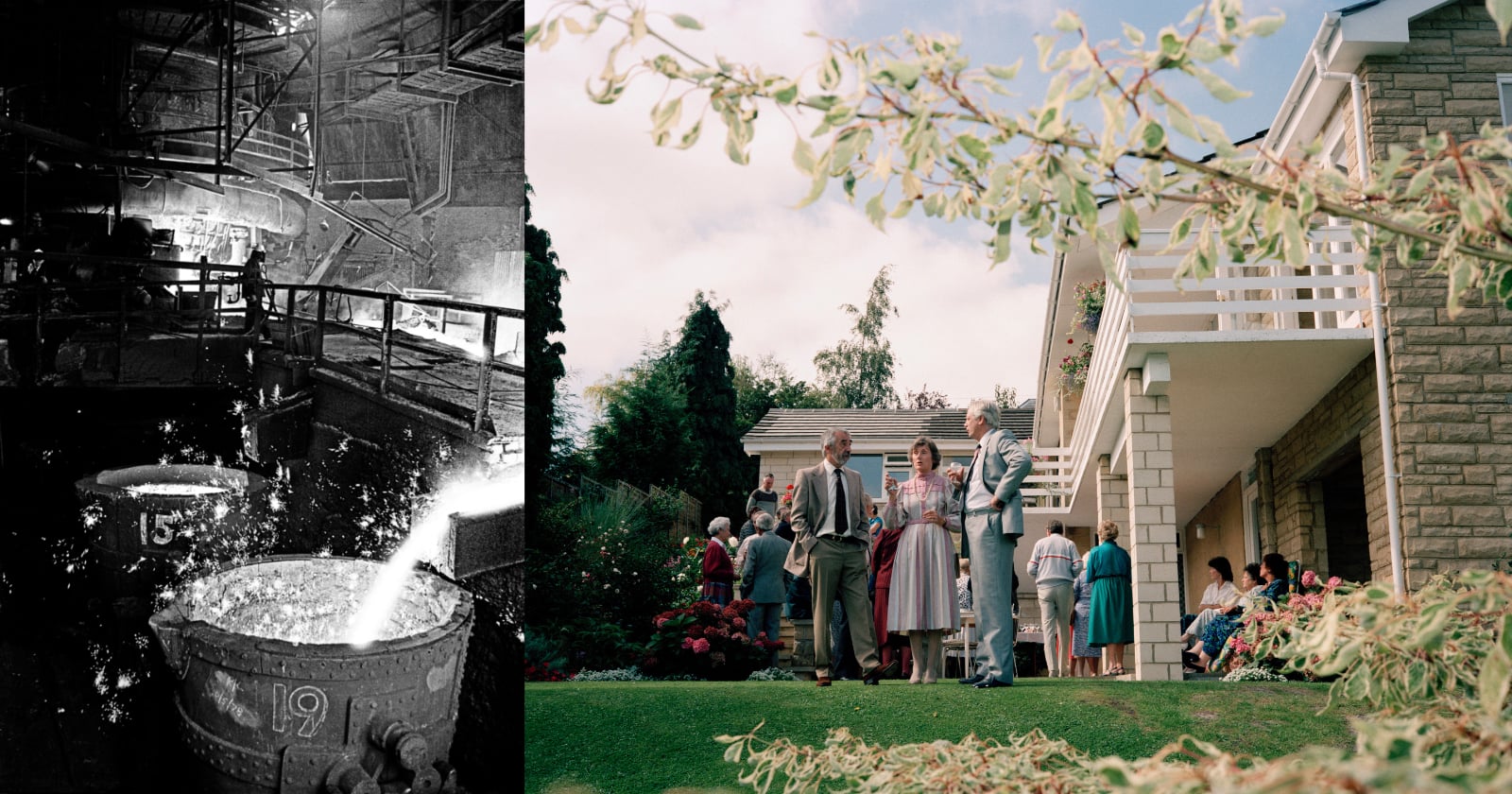
The recent exhibition examining 80 years of documentary photography capturing the darker realities of Britain and Ireland resonates deeply with a culture increasingly attuned to nuanced storytelling and unflinching honesty. It's a powerful reminder that visual documentation isn’t solely about showcasing idyllic landscapes or aspirational lifestyles; it’s a vital tool for revealing uncomfortable truths and prompting critical reflection. This exhibition arrives at a time when the very notion of “truth” in photography is being rigorously debated, especially in the age of AI-generated imagery. Considering the challenges faced by brands seeking authenticity, as highlighted in Pentax’s DSLR Dreams Won’t Come True if It Does the Same Old Thing, the exhibition’s focus on raw, unfiltered reality feels particularly relevant. The ability to capture and convey genuine emotion and experience remains a crucial differentiator, one that resonates with audiences craving authenticity in a world saturated with carefully curated images. The power of black and white photography, as explored in 4 Cameras Black and White Photographers Swear By, to strip away distractions and focus on essential form and emotion further amplifies the impact of this exhibition.
The choice to focus on the "darker side" isn’t intended as sensationalism, but rather as a corrective to a historical tendency to gloss over societal hardships and inequalities in photographic representation. For decades, documentary photography often presented a romanticized or sanitized view of working-class life, rural landscapes, and the impact of industrialization. This exhibition, by contrast, appears to offer a more rigorous and unflinching examination, prompting viewers to confront the realities of poverty, social injustice, and the often-brutal consequences of economic change. The inclusion of Martin Parr’s work, as evidenced by the accompanying image, suggests a willingness to embrace the mundane and the unsettling, moving beyond picturesque depictions to capture the complexities of everyday existence. The exhibition’s scope, spanning eight decades, allows for a comparative analysis of how perspectives on these issues have evolved over time, reflecting broader shifts in social attitudes and political discourse. This historical lens provides invaluable context for understanding contemporary challenges and appreciating the ongoing evolution of documentary practice.
The significance extends beyond the realm of photography itself. This exhibition speaks to a wider cultural shift towards greater social awareness and a demand for transparency. Consumers, increasingly discerning and skeptical of marketing narratives, are actively seeking brands and institutions that demonstrate a commitment to ethical practices and honest representation. The rise of citizen journalism and the proliferation of social media platforms have further democratized the dissemination of information, empowering individuals to document and share their own experiences, often challenging established narratives. This exhibition, by showcasing the power of documentary photography to expose hidden realities, reinforces the importance of visual storytelling as a tool for social change and a catalyst for critical dialogue. The concern around the quality of imagery, a point made in Godox C100 Review: A Troubled Viewpoint, highlights the need for photographers to maintain a high standard of authenticity and ethical consideration in their work, a principle that seems to underpin the ethos of this exhibition.
Ultimately, this exhibition compels us to consider the responsibility that comes with documenting the world around us. It raises crucial questions about the ethics of representation, the role of the photographer as witness, and the power of images to shape our understanding of history and society. As technology continues to blur the lines between reality and fabrication, the value of authentic, human-centered storytelling will only continue to grow. How will documentary photographers navigate the challenges of an increasingly mediated world, ensuring that their work remains a force for truth and understanding, and what new forms of visual storytelling will emerge to capture the complexities of the human experience in the decades to come?
A new exhibition examines how more than 80 years of documentary photography has captured the darker, more unsettling side of life in Britain and Ireland.
Read on the original site
Open the publisher's page for the full experience