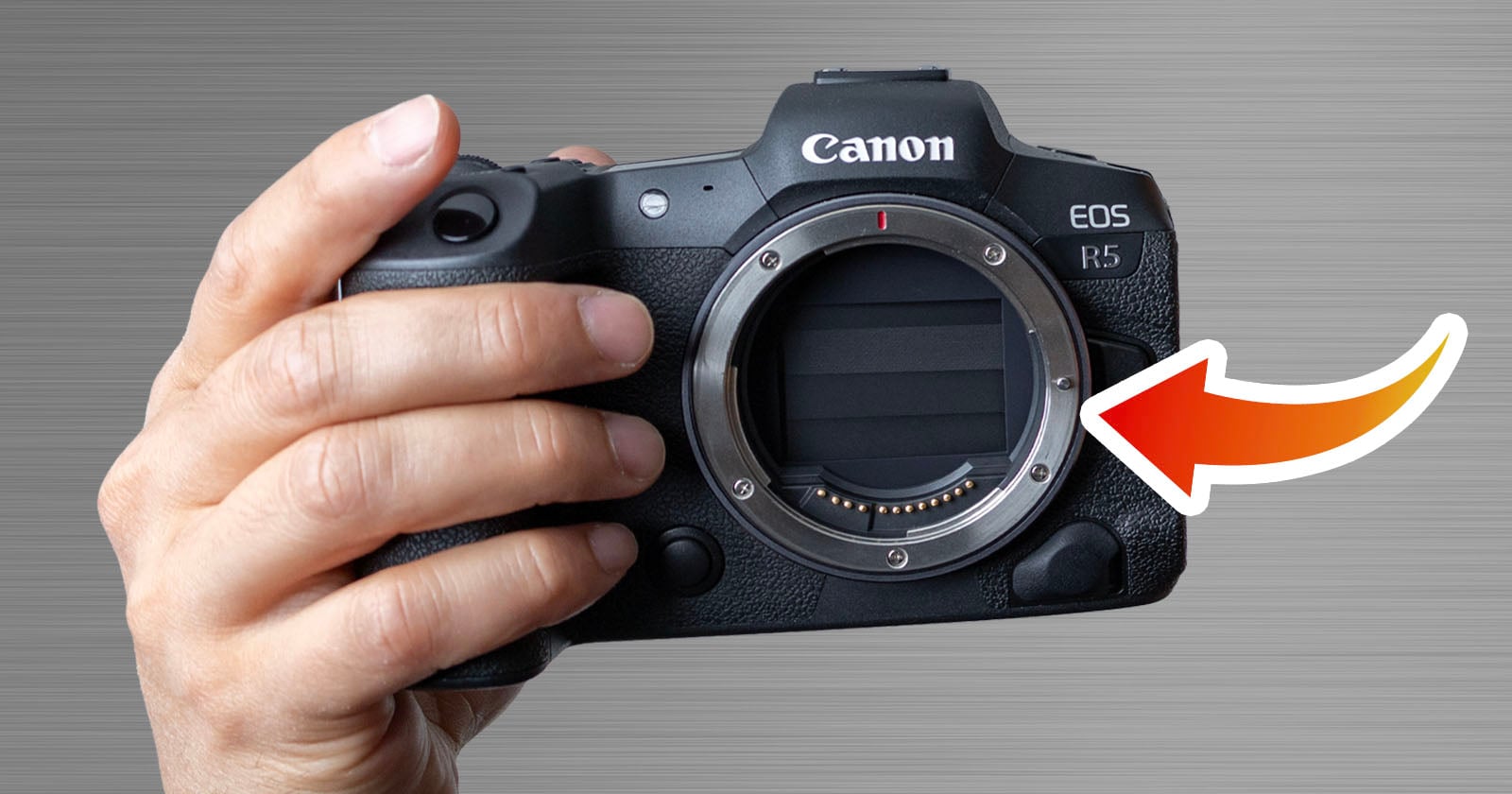
The court's decision in Nikon's lawsuit against Viltrox is the kind of quiet tremor that eventually reshapes a landscape. For years, the mirrorless camera world has operated on an unspoken hierarchy: Canon builds the RF mount as a gated garden, and everyone else, from Nikon to Sony, plays a more open game. When the Chinese court ruled in Viltrox's favor this summer, it didn't just hand a small lens maker a win; it cracked the very logic of closed mounts. And while the ruling is specific to Nikon's Z-mount, the ripple effect lands squarely on Canon, the last true holdout of proprietary secrecy.
Let's be honest about what this means for the people actually holding the cameras. If you're a Canon shooter, you've likely felt the quiet frustration of a limited third-party lens catalog, especially compared to the sheer abundance available to those who chose A New Lens for Close-Ups: Canon's RF 90mm Macro Arrives and then discovered the ecosystem's boundaries. The RF mount is brilliant, but brilliance without competition becomes a luxury tax. This ruling suggests that intellectual property claims, at least in China's courts, are not an automatic shield for manufacturers who want to keep their mounts exclusive. It's a signal that the creative community, the very people who drive demand for Capturing Cosmic Beauty: An Astrophotography Journey with Nikon, may finally get more choices, more affordable glass, and more reasons to experiment without being locked into a single brand's vision.
Our take is simple: this is not about cheering for Viltrox or booing Nikon. It's about the principle that creativity thrives on access. When a mount is closed, the argument is always about protecting quality and innovation. But the court's decision challenges that narrative, suggesting that the real innovation might be in letting more hands build for the system. For the photographer who wants to pair a vintage lens with a modern body, or the videographer who needs a specific focal length without selling a kidney, this ruling is a quiet vote for flexibility. It's also a warning to Canon: the era of the closed mount may be drawing to a close, not because of a single lawsuit, but because the market is demanding otherwise.
What we'd tell a reader who asks about this is straightforward: watch what Canon does next. The company has long argued that its RF mount is engineered for peak performance, and that may well be true. But as Unlock the Nikon Z5 IIC’s Potential with SmallRig’s New Accessories shows, the ecosystem around a camera is just as important as the camera itself. If Canon chooses to open its mount even slightly, the floodgates could bring a wave of creative, affordable lenses that would benefit everyone. If it doesn't, it risks being the last brand standing behind a wall that the industry is already dismantling. The concrete point to watch? The next time a third-party lens maker announces a Canon-compatible prime, you'll know the court's echo reached far beyond that single courtroom in China.