## Our Take: A Fresh Lunar Scar
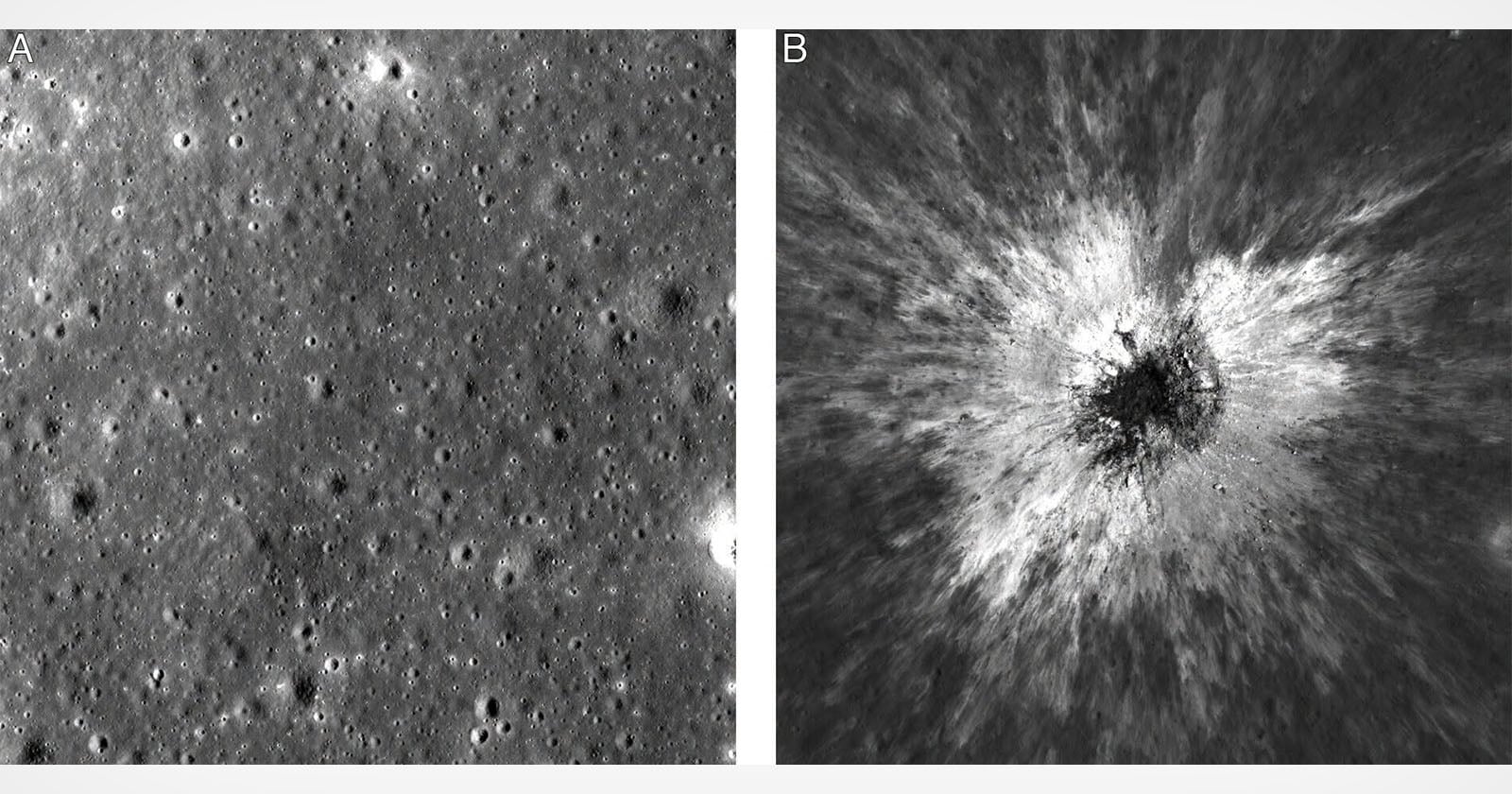
The unveiling of NASA’s before-and-after imagery of the recent asteroid impact on the Moon is a truly captivating event, offering a rare and remarkably detailed glimpse into a fundamental process shaping our solar system. It’s a moment that bridges the gap between scientific observation and a visceral sense of wonder. The clarity of the images, showcasing the stark contrast between the aged, weathered lunar landscape and the vibrant, freshly formed crater with its radiating ejecta, is simply breathtaking. This isn’t just data; it’s a visual narrative of cosmic forces at play, a powerful reminder of the dynamic nature of even seemingly static celestial bodies. The sudden appearance of this “fresh lunar scar,” as it’s being called, allows us to witness, in near real-time, the immediate consequences of an impact event, providing invaluable data for researchers studying planetary geology and the history of our own Moon.
Beyond the scientific implications, this event possesses an undeniable artistic quality. The interplay of light and shadow within the crater, the sharp delineation of the ejecta rays extending outwards across the lunar surface – it’s a composition of stark beauty. It evokes a sense of both awe and fragility, highlighting the Moon's vulnerability to the constant barrage of space debris while simultaneously demonstrating its remarkable resilience. To see this raw, almost violent act of creation rendered with such clarity underscores the universe’s capacity for both destruction and renewal. The imagery invites us to contemplate our place within this vast cosmic theater, a humbling experience that connects us to the larger narrative of the solar system.
The meticulous work of NASA scientists in capturing and analyzing this event deserves particular recognition. The ability to observe and document such a phenomenon in this level of detail speaks to the advancements in space-based observation technology and the dedication of the teams involved. This isn’t just about seeing a crater; it’s about understanding the composition of the impacting asteroid, the mechanics of the impact itself, and the long-term effects on the lunar surface. This kind of research contributes significantly to our broader understanding of planetary evolution and helps us better assess potential risks to Earth from near-Earth objects. It's a testament to the power of scientific curiosity and the pursuit of knowledge.
Ultimately, the discovery of this new lunar crater offers a compelling blend of scientific discovery and aesthetic appreciation. It’s an opportunity to engage with the cosmos in a tangible and visually stunning way, fostering a deeper understanding of our place within the universe. The photographs serve as a potent reminder of the constant, often unseen, activity that shapes our celestial neighborhood, and invite us to marvel at the raw beauty and enduring mystery of the Moon.