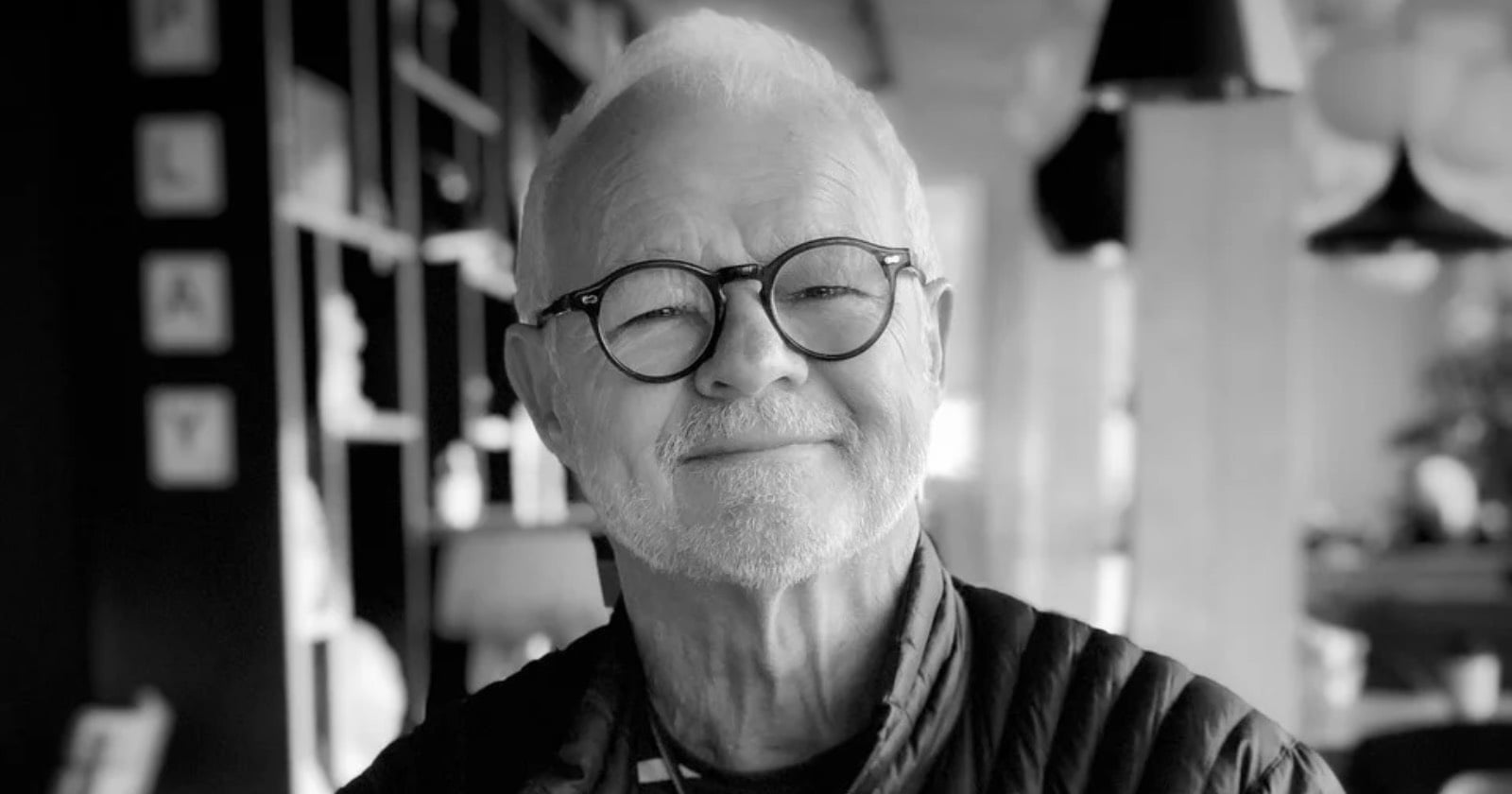
Our Take: A Legacy of Action
The news of Rodney Charters' passing at 80 marks the close of a significant chapter in visual storytelling. Charters was more than just a cinematographer; he was an architect of atmosphere, a craftsman who sculpted the very rhythm of our viewing experience. For eight indelible seasons, he was the unseen hand guiding the lens through the high-stakes, ticking-clock world of "24," a show that redefined the modern thriller. His work wasn't merely about capturing images; it was about forging a visceral connection with the audience, a feat achieved through a distinctive visual language that became as iconic as the plotlines themselves.
Charters’ mastery lay in his ability to translate the urgency and intensity of the narrative into a palpable visual energy. He pioneered the show's signature style, a blend of handheld camerawork, rapid cuts, and innovative use of split screens, all of which contributed to an immersive, almost breathless, viewing experience. This wasn't just a stylistic choice; it was a deliberate artistic decision that amplified the tension and kept viewers on the edge of their seats. His approach was a vibrant testament to how cinematography can transcend its technical function to become an integral part of the storytelling, a powerful element that shapes our emotional response and engagement with the on-screen drama.
The legacy of Rodney Charters extends beyond the immediate impact of "24." He leaves behind a body of work that stands as a testament to the power of consistent vision and artistic dedication. In a field often driven by fleeting trends, Charters’ enduring influence speaks to the profound resonance of authentic craftsmanship. His contributions remind us that true innovation often stems from a deep understanding of the medium and a fearless commitment to pushing its boundaries, ultimately enriching the landscape of cinematic expression for creators and audiences alike.