A Photo Project Guide to Shooting With Liquid
Our take
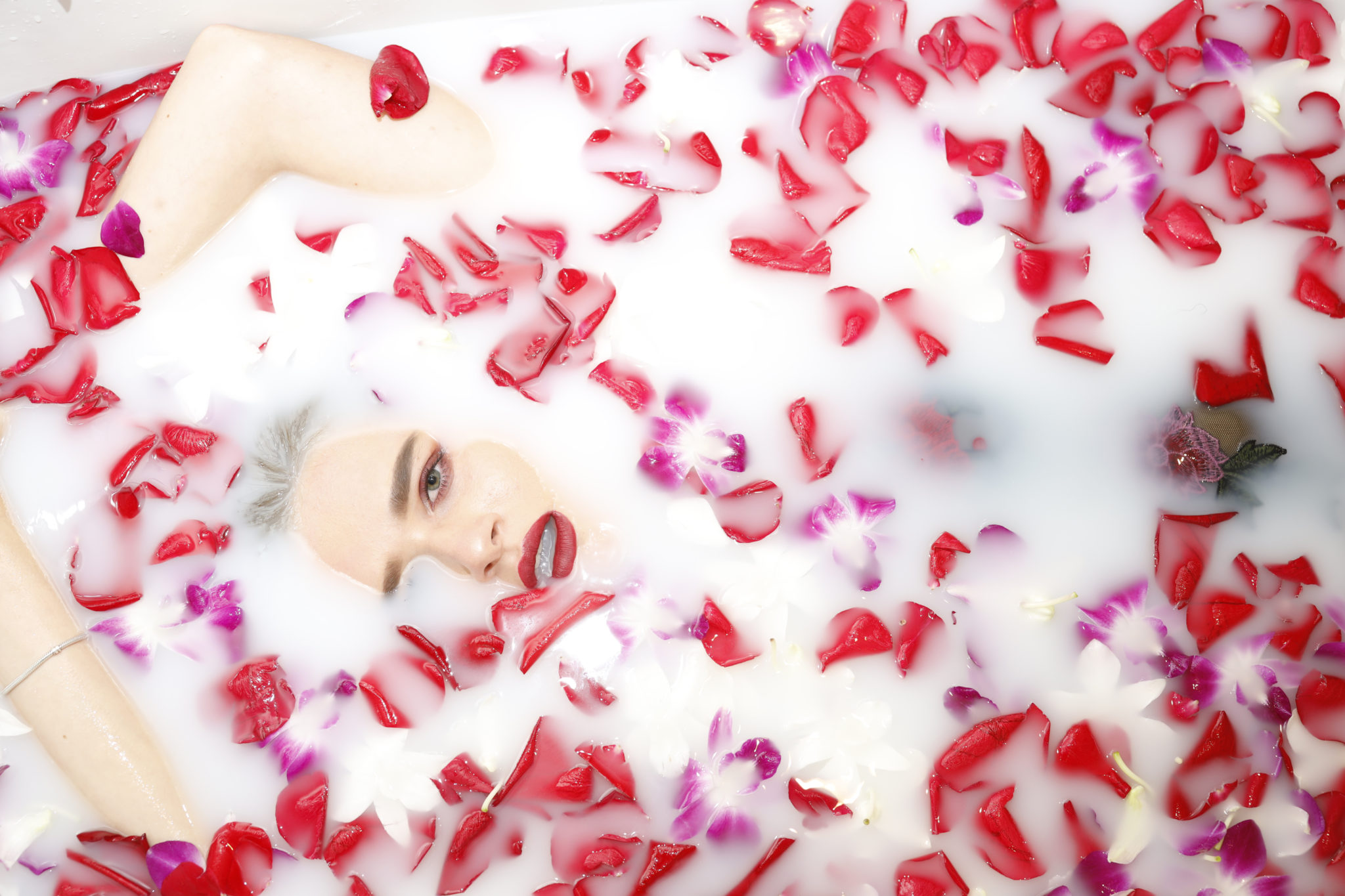
## The Fluidity of Creativity: Why Liquid Photography is Captivating a New Generation
The pursuit of visual innovation is a constant within photography, and the recent surge in liquid-based photo projects speaks to a deeper yearning for artistry that transcends the commonplace. It's more than just a trend; it's a deliberate exploration of texture, movement, and the ephemeral nature of beauty. Photographers are increasingly recognizing that elements like water, milk, inks, and even oils offer an unparalleled canvas for expressing abstract concepts and crafting narratives that resonate on a visceral level. This isn’t a new concept – think of the pioneering work of Edward Weston with peppers and other organic forms – but the accessibility of modern equipment and the proliferation of visual inspiration online have created a fertile ground for a new wave of experimentation. For those seeking a deeper dive into pushing creative boundaries, Exploring Abstract Photography offers valuable techniques applicable to liquid work, while Mastering Motion Photography provides essential understanding of capturing fluidity effectively. The ability to manipulate these substances—to freeze a splash mid-air, capture the swirling patterns of ink diffusing in water, or reveal the delicate dance of oil on a surface—allows photographers to conjure worlds that are both dreamlike and strikingly real. This deliberate embrace of the unpredictable also fosters a unique sense of authenticity; the beauty lies not just in the final image, but in the process of discovery and the acceptance of imperfections.
The growing popularity of liquid photography reflects a broader cultural shift toward appreciating the imperfect and the transient. We live in an age saturated with digitally perfected imagery, and there's a growing desire for something that feels more raw, more genuine. Liquid photography, with its inherent unpredictability and often-organic forms, offers a refreshing antidote to this hyper-polished aesthetic. Consider the rise of 'wabi-sabi' in design and lifestyle—an appreciation for the beauty of imperfection, impermanence, and simplicity. Liquid photography naturally aligns with this philosophy, celebrating the accidental beauty that arises from the interaction of light, color, and fluid dynamics. Furthermore, the technical challenges involved in capturing these images—controlling lighting, achieving the desired focus, and managing the inherent unpredictability of the materials—demand a level of skill and patience that resonates with audiences seeking authenticity. It’s a departure from the often-easy accessibility of digital manipulation, requiring a deeper understanding of photographic principles and a willingness to embrace experimentation.
Beyond the aesthetic appeal, liquid photography provides a powerful tool for conveying complex emotions and ideas. The fluidity of the substance itself can be used to symbolize concepts like change, transformation, and the passage of time. A single drop of water can represent a fleeting moment, a swirling vortex can evoke a sense of chaos or inner turmoil, and the delicate ripples on a surface can symbolize the fragility of life. The interplay of light and shadow within these liquids creates depth and dimension, adding layers of meaning to the images. This artistic potential isn't limited to abstract expression; liquid photography can also be used to enhance portraits, still lifes, and even landscape photography, adding a unique and unexpected element to familiar subjects. To further expand your understanding of visual storytelling, consider exploring The Power of Symbolism in Photography, which highlights how elements within an image can be used to convey deeper meaning.
Looking ahead, we can anticipate even more innovative applications of liquid photography. The integration of AI and generative tools promises to unlock new possibilities for manipulating and simulating fluid dynamics, potentially allowing photographers to create images that were previously unimaginable. We might see the emergence of interactive installations where viewers can influence the flow of liquids and witness the resulting photographic transformations in real-time. The question becomes: as technology continues to blur the lines between reality and simulation, how will photographers maintain the authenticity and emotional resonance that define the most compelling liquid photography? Will the human element—the intuition, the experimentation, the acceptance of imperfection—remain central to the creative process, or will we see a shift towards increasingly automated and digitally-generated imagery? The answer likely lies in finding a harmonious balance between technological innovation and artistic vision.
Read on the original site
Open the publisher's page for the full experience