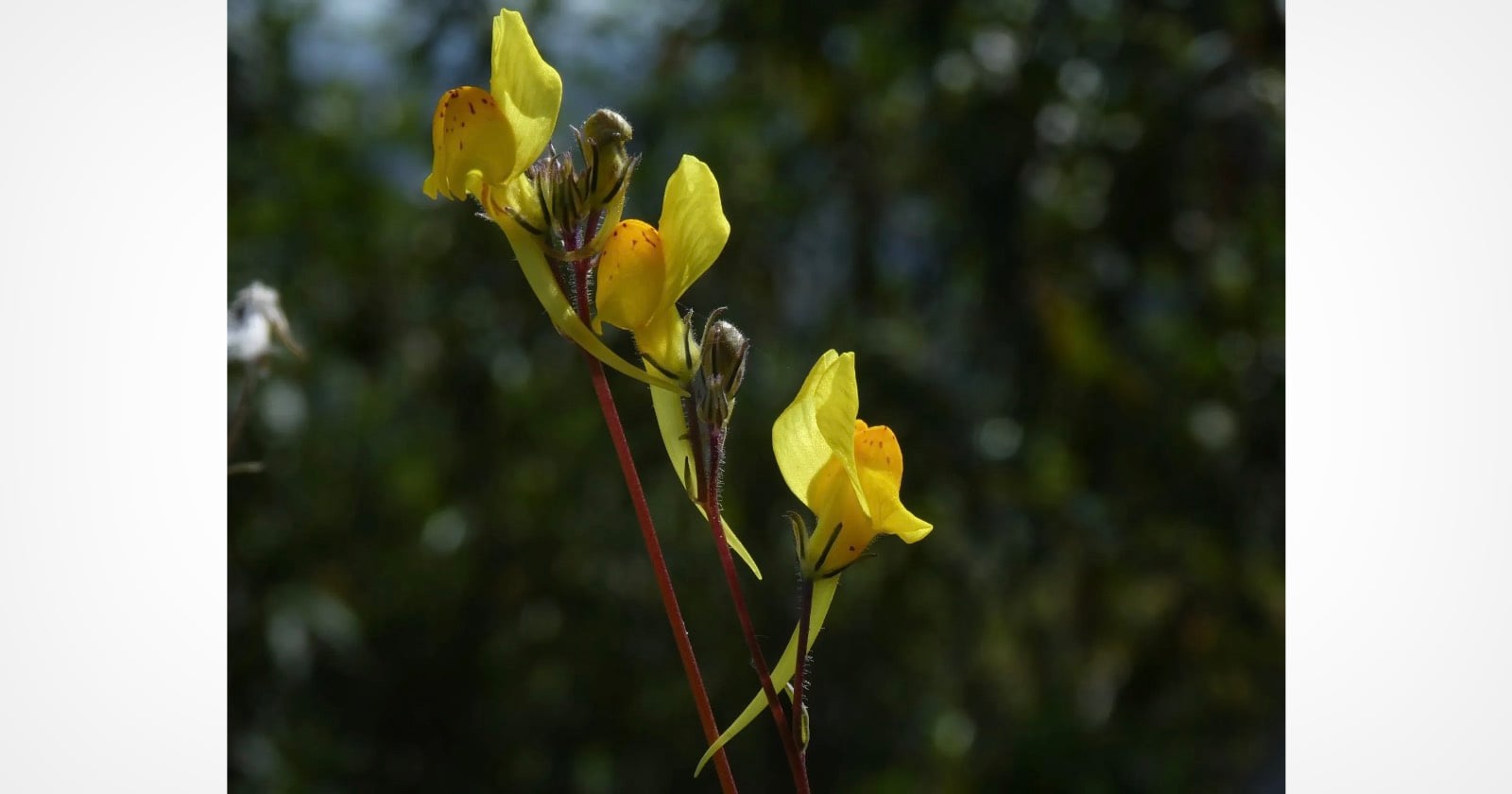
The serendipitous discovery of a new plant species, sparked by a tourist's photograph shared online, speaks volumes about the evolving intersection of travel, technology, and scientific exploration. It’s a beautiful illustration of how accessible documentation—a simple snapshot—can contribute to a deeper understanding of our world. This resonates particularly well with our audience, many of whom actively seek out curated travel experiences, as highlighted in our recent piece [Curated Fall Escapes: Capture the Season's Beauty, Responsibly], where we emphasized the importance of mindful exploration and responsible engagement with natural environments. The speed with which this discovery unfolded, bypassing traditional, often lengthy, botanical surveying processes, is quite remarkable and hints at a new era of citizen science. It also underscores the value of observation—a skill often cultivated by those pursuing artistic endeavors, whether through photography or other creative mediums.
The implications extend beyond simply adding another name to the botanical record. This incident highlights the potential for amateur photographers, often driven by a passion for aesthetics rather than scientific rigor, to contribute significantly to ecological understanding. While professional botanists dedicate their lives to meticulous fieldwork, the sheer volume of images circulating online offers a vast, untapped resource. Think of the possibilities for leveraging AI and machine learning to analyze these images, identifying anomalies and potential discoveries that might otherwise go unnoticed. This also connects to the ongoing discussions around equipping photographers with the tools and knowledge to responsibly document the world around them, a theme explored in [Curated L-Mount Deals: Elevate Your Photography Before They're Gone], where we discussed the importance of reliable equipment for capturing nuanced details. It’s a reminder that even the most casual observation, when combined with the power of digital sharing, can yield extraordinary results.
The story also presents a compelling case for the preservation of biodiversity, particularly in areas that may not be extensively studied. It’s easy to assume that all the world's flora and fauna have already been cataloged, but this discovery serves as a potent reminder of the hidden treasures that remain to be uncovered. The fragility of these ecosystems, and the potential for undiscovered species to be lost before they are even identified, should be a source of urgent concern. The delicate balance between tourism and conservation is crucial, and this incident provides a tangible example of how both can coexist and even benefit one another. It echoes the importance of investing in protective gear and accessories to ensure the longevity of photographic equipment, as detailed in [Unlock the Nikon Z5 IIC’s Potential with SmallRig’s New Accessories], demonstrating a commitment to preserving the tools that enable us to document and appreciate the natural world.
Ultimately, this accidental discovery is more than just a botanical footnote; it’s a narrative about the interconnectedness of art, science, and exploration. It suggests a future where technology empowers a broader community of observers, transforming everyday experiences into opportunities for scientific advancement. The question remains: how can we best cultivate this emerging paradigm, fostering a collaborative ecosystem where citizen scientists, professional researchers, and the public at large work together to unlock the secrets of our planet?