ACLU Sues ICE for Failing to Turn Over Records on Threats to Photographers Who Film Federal Agents
Our take
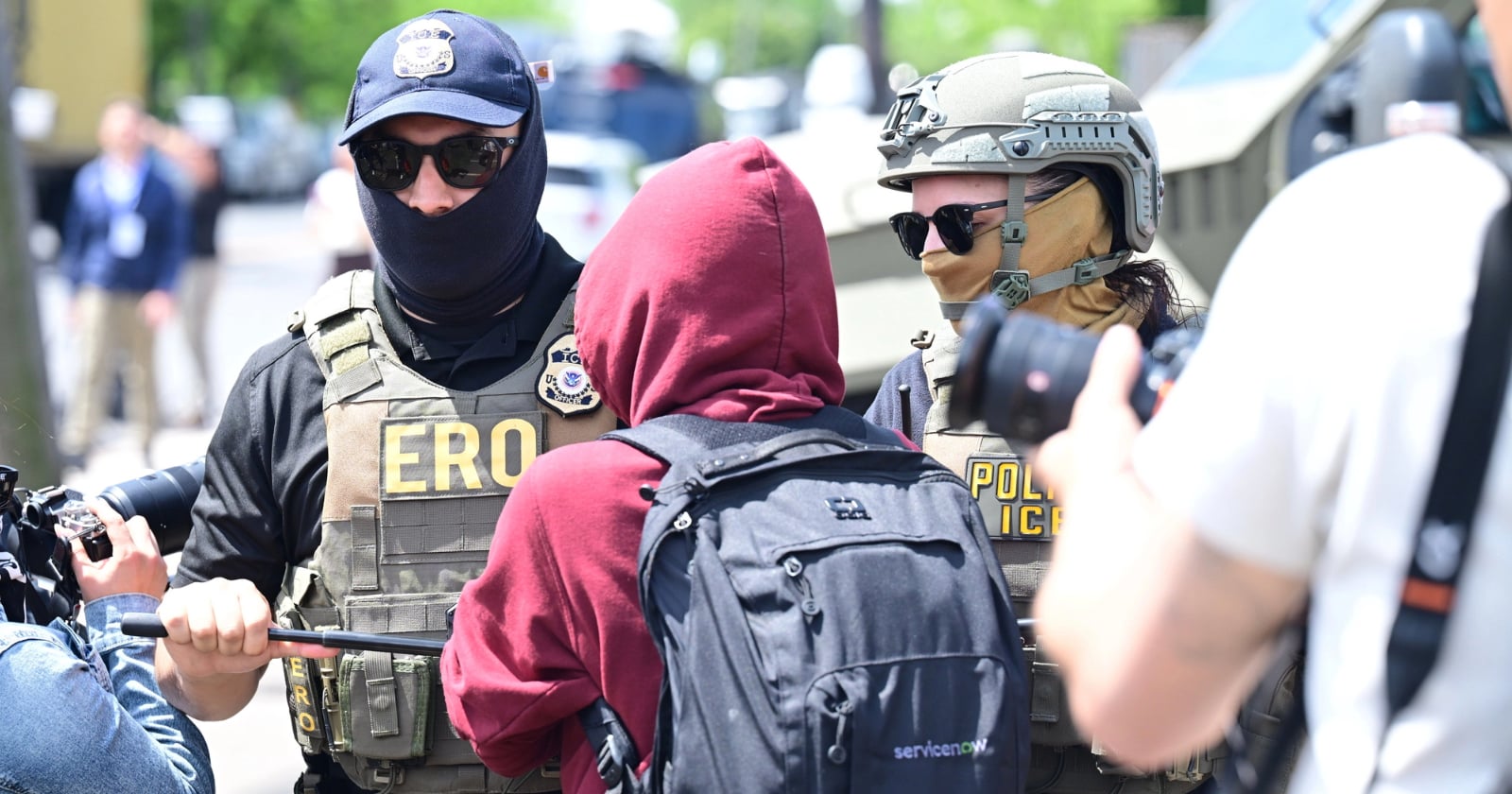
The recent lawsuit filed by the ACLU against ICE regarding the agency's alleged intimidation and surveillance of photographers documenting federal agents underscores a growing tension between public accountability and governmental opacity. It’s a situation that resonates deeply with our audience, many of whom are creatives and visual storytellers navigating increasingly complex legal and ethical landscapes. As we've seen in places like Bali, where authorities are [Bali is Cracking Down on Photographers Traveling with Tourist Visas], the line between documenting and disrupting can become blurred, with significant repercussions for those wielding a camera. The core of this issue isn't simply about photography; it’s about the fundamental right to record and share information about government actions, a cornerstone of a free and informed society. This echoes discussions around the evolving role of citizen journalism and the tools available to capture and disseminate information, even as those tools face increasing scrutiny and regulation - a shift that, much like the compact cameras discussed in [The 3 Best Compact Cameras To Buy From 2011], reflects a broader evolution of technology and its implications.
The ACLU’s lawsuit centers on ICE’s alleged failure to comply with Freedom of Information Act (FOIA) requests seeking records detailing instances where ICE agents threatened or surveilled photographers. The implication is clear: ICE has been actively attempting to discourage visual documentation of its operations, effectively shielding its actions from public view. This is particularly troubling given ICE’s often controversial role in immigration enforcement, where transparency is paramount. The chilling effect of such actions extends beyond the immediate photographers targeted; it discourages others from documenting potential abuses of power, creating an environment where government accountability is significantly diminished. The suit’s success could set a precedent, forcing government agencies to be more forthcoming about their interactions with the press and the public, and affirming the critical role of visual documentation in holding those in power accountable. It’s a subtle but powerful way to restrict the flow of information, a tactic that can be particularly effective when working to shape public perception. This issue is relevant even to those focused on seemingly unrelated areas, like fitness, as demonstrated by the increasing scrutiny around capturing and sharing content relating to even personal activities – as evidenced by the growing awareness surrounding documenting workouts and promoting wellness, a topic briefly touched upon in [This Made-For-Dads Workout Blows Up Your Arms in 22 Minutes].
The broader context of this lawsuit highlights a wider trend of governmental pushback against citizen journalists and independent media. As technology makes it easier to document and share information, governments are increasingly seeking ways to control the narrative and limit scrutiny. The argument is often framed as protecting sensitive operations or national security, but critics argue that these justifications are often used to stifle dissent and conceal misconduct. The ACLU’s lawsuit challenges this narrative, asserting that the public has a right to know how ICE operates and that photographers should not be intimidated or surveilled for simply doing their jobs. This resonates with a core value of our brand: authenticity. True transparency fosters trust, and attempts to shroud activities in secrecy only breed suspicion and erode confidence in institutions. The lawsuit isn’t just about records; it’s about establishing a clear boundary between legitimate law enforcement and the suppression of free expression.
Looking ahead, the outcome of this lawsuit will likely have far-reaching implications for the rights of journalists and citizen photographers. A victory for the ACLU could embolden others to challenge government attempts to restrict visual documentation, while a setback could further embolden agencies to operate with less transparency. It’s a critical moment for defining the limits of government power and the importance of a free press in a democratic society. The questions that linger are: How will this case influence future FOIA requests regarding government surveillance activities? And, perhaps more importantly, what broader legal and ethical frameworks will be needed to protect the rights of visual storytellers in an age of increasingly sophisticated surveillance technologies?
The American Civil Liberties Union (ACLU) has filed a lawsuit against the U.S. Immigration and Customs Enforcement (ICE), accusing it of failing to turn over records of its practice of threatening and surveilling photographers who film federal agents.
Read on the original site
Open the publisher's page for the full experience