Adobe Adds More User Control to AI Features Inside Lightroom and Photoshop
Our take

The relentless march of artificial intelligence continues to reshape creative workflows, and Adobe’s recent updates to Lightroom and Photoshop represent a fascinating, and arguably necessary, evolution. For photographers, the sheer volume of images generated in modern shoots – wedding events, portrait sessions, even commercial assignments – can be overwhelming. The hours spent sifting through selects, identifying keepers, and culling the excess is a significant drain on time and resources. Adobe’s recognition of this pain point, and their proactive response to address it, is a welcome development. This isn’t merely about automating a tedious task; it's about empowering photographers to reclaim their creative focus by streamlining the initial selection process. The introduction of more user control over AI features acknowledges a growing concern within the creative community, a concern highlighted recently by Cassandra Klepac, who expressed anxieties about AI-generated imagery infiltrating professional spaces, as seen in Photographer Disturbed By AI-Generated ‘Women’ in Beauty Magazine. It’s a delicate balancing act – leveraging AI’s efficiency while retaining the artist’s discerning eye.
The key to Adobe’s approach, and what distinguishes it from less sophisticated AI-driven tools, appears to be an emphasis on *control*. Rather than presenting a purely automated selection, these updates offer photographers the ability to refine and adjust the AI's choices. This is a crucial distinction. The fear, understandably, is that AI will homogenize creative output, stripping away the individuality and nuanced judgment that define a photographer's style. By providing granular control, Adobe is essentially saying, "Let AI handle the heavy lifting, but you remain the curator." This resonates with a broader conversation about the role of technology in creative fields; it's not about replacement, but augmentation. Consider the parallel to music creation, where artists are increasingly leveraging AI to generate starting points or explore unconventional sounds – a trend we recently explored in The Best New Workout Songs of 2026 (So Far), highlighting how technology can inspire and accelerate the artistic process. The focus here is on collaboration, a synergy between human creativity and artificial intelligence.
The implications extend beyond simply saving time. By freeing photographers from the often-monotonous task of initial selection, these updates allow them to dedicate more energy to the finer points of post-processing, color grading, and artistic refinement. This shift in focus can translate to a higher quality final product and a more fulfilling creative experience. It's also worth noting the potential for these AI-powered tools to democratize access to professional-level workflows. Smaller studios or freelance photographers who might not have the resources to hire dedicated assistants can now leverage AI to significantly improve their efficiency. This isn’t about diminishing the value of human skills; it's about leveling the playing field and enabling more creatives to pursue their passions. The broader trend of optimizing workflows, even extending to seemingly mundane aspects like wardrobe selection, as seen in The 16 Best Undershirts for Men, Tested by Style Experts, demonstrates a growing appreciation for the power of streamlined processes to enhance overall quality and creative output.
Ultimately, Adobe’s updates signal a maturing understanding of AI’s role in the creative process. It's moving beyond the hype and towards a more pragmatic application – one that prioritizes user control, artistic integrity, and ultimately, empowers photographers to produce exceptional work. The question now is not *if* AI will continue to influence creative workflows, but *how* these tools will evolve to further enhance, rather than diminish, the human element of artistry. Will we see a future where AI anticipates a photographer's creative vision, proactively suggesting edits and refinements? Or will the emphasis remain on empowering the artist to retain complete control, using AI as a sophisticated, personalized assistant? The coming years will undoubtedly reveal the answer.
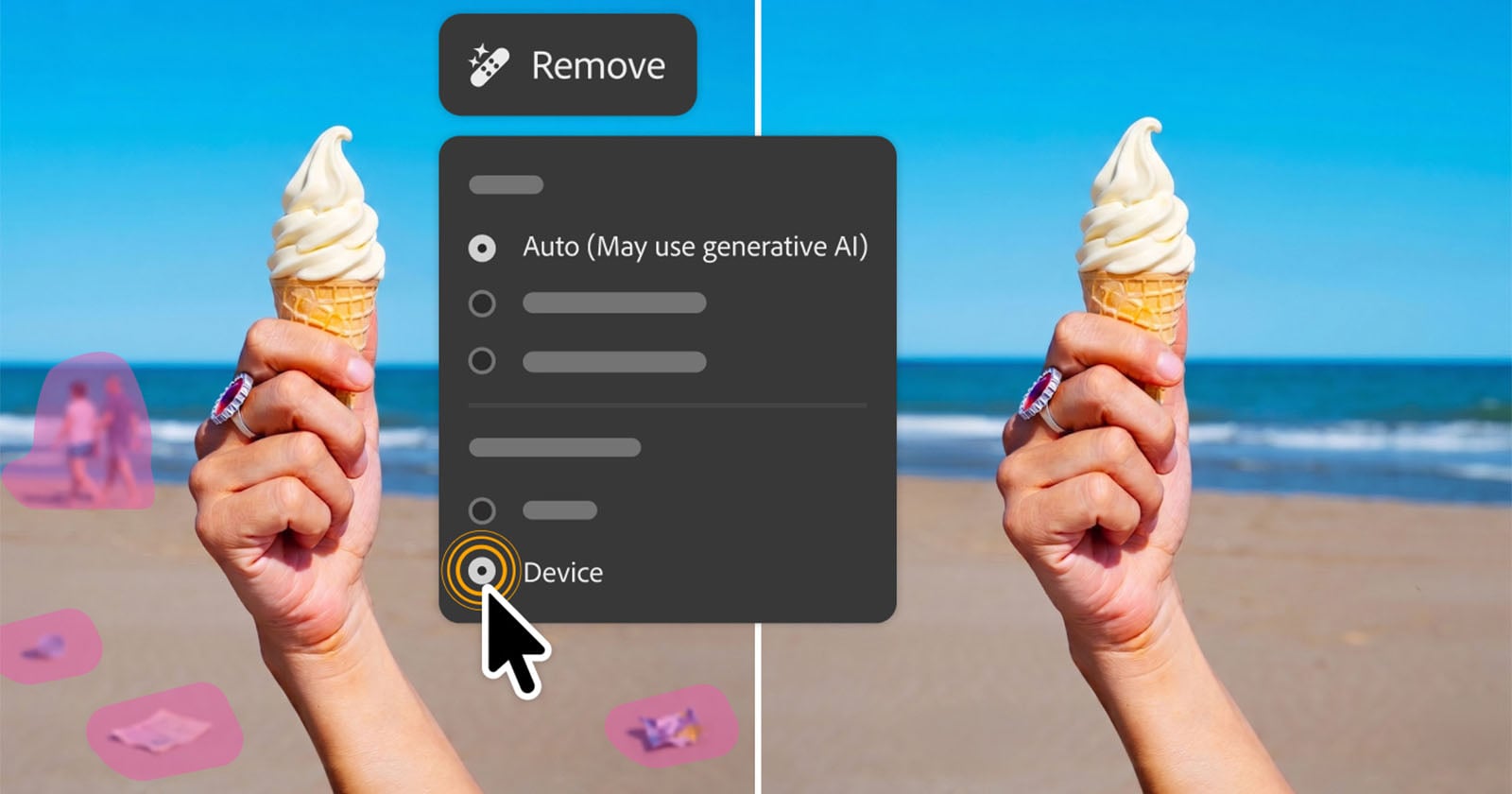
"Have you ever spent hours manually reviewing thousands of photos from an event or portrait shoot to find the selects your clients will love?" Adobe asks. It's a safe bet that for many photographers, the answer is, and Adobe believes its latest Creative Cloud updates will help solve this issue and save photographers time.
Read on the original site
Open the publisher's page for the full experience