Adobe Brings ACR’s Powerful Non-Destructive Exposure Tools Into Photoshop Itself
Our take

Adobe’s integration of Raw Capture’s (ACR) non-destructive exposure tools directly into Photoshop represents a significant shift in the creative workflow, and one that resonates deeply with our audience of discerning photographers and visual artists. For years, photographers have navigated a somewhat fragmented process, bouncing between Lightroom and Photoshop for different stages of editing. The move streamlines this, offering a more cohesive and intuitive experience. It’s a development that echoes the broader industry trend towards simplifying complex tools, as highlighted in articles like [The Best Travel Kit for Canon Photographers To Choose in 2026], where portability and efficiency are paramount, and aligns with the philosophy of empowering creatives to focus on their artistic vision rather than wrestling with software limitations. This integration essentially brings the power of Lightroom's raw processing capabilities directly into Photoshop’s layered environment, allowing for unprecedented flexibility and control. The evolution of Hasselblad, as detailed in [10 Years Later, Hasselblad’s Mirrorless Gamble Has Paid Off In a Huge Way], demonstrates a similar commitment to adapting and innovating to meet the changing demands of the creative landscape; Adobe’s move feels like a natural progression in that vein.
The beauty of this update lies in its non-destructive nature. Users can now apply adjustments – exposure, contrast, highlights, shadows – directly within Photoshop layers without permanently altering the original image data. This is a game-changer for photographers who frequently revisit and refine their work, or who collaborate with others requiring iterative adjustments. It also opens up exciting possibilities for more complex compositing and creative effects, allowing for a level of precision previously challenging to achieve. Think of the nuanced control achievable when blending multiple exposures or selectively adjusting specific areas of an image—all within the familiar Photoshop interface. This move addresses a long-standing request from the creative community, proving Adobe’s responsiveness to user needs and its commitment to maintaining Photoshop's position as the industry standard. Furthermore, it’s a subtle but powerful validation of the underlying technology pioneered by ACR, now fully embraced and integrated into the core Photoshop experience.
Beyond the technical advantages, this integration signifies a broader philosophical shift within Adobe. The company’s stated goal – to allow creatives to focus on their ideas, not the tools – is a compelling one. It's a sentiment echoed in discussions around gear optimization, like those found in [Hitch your Wagons! Photography Wagon from Westcott!], where the emphasis is on streamlined workflows and maximizing creative output. By eliminating unnecessary steps and providing a more intuitive editing environment, Adobe is essentially removing friction from the creative process. This is particularly relevant in today’s fast-paced visual landscape, where photographers and artists are constantly striving to produce high-quality work efficiently. The seamless integration fosters a more fluid and dynamic workflow, allowing for quicker experimentation and ultimately, more compelling imagery.
Looking ahead, it will be fascinating to observe how this integration influences the future of Adobe’s creative suite. Will we see further convergence of Lightroom and Photoshop functionalities? Will this pave the way for even more AI-powered editing tools seamlessly integrated into the workflow? The move undeniably sets a new benchmark for raw processing within Photoshop, and it’s a development that photographers of all levels should embrace. The potential for creative exploration and refined control is significant, and it’s a testament to Adobe’s ongoing commitment to empowering the visual arts. The question now is: how will photographers leverage this newfound flexibility to push the boundaries of their craft?
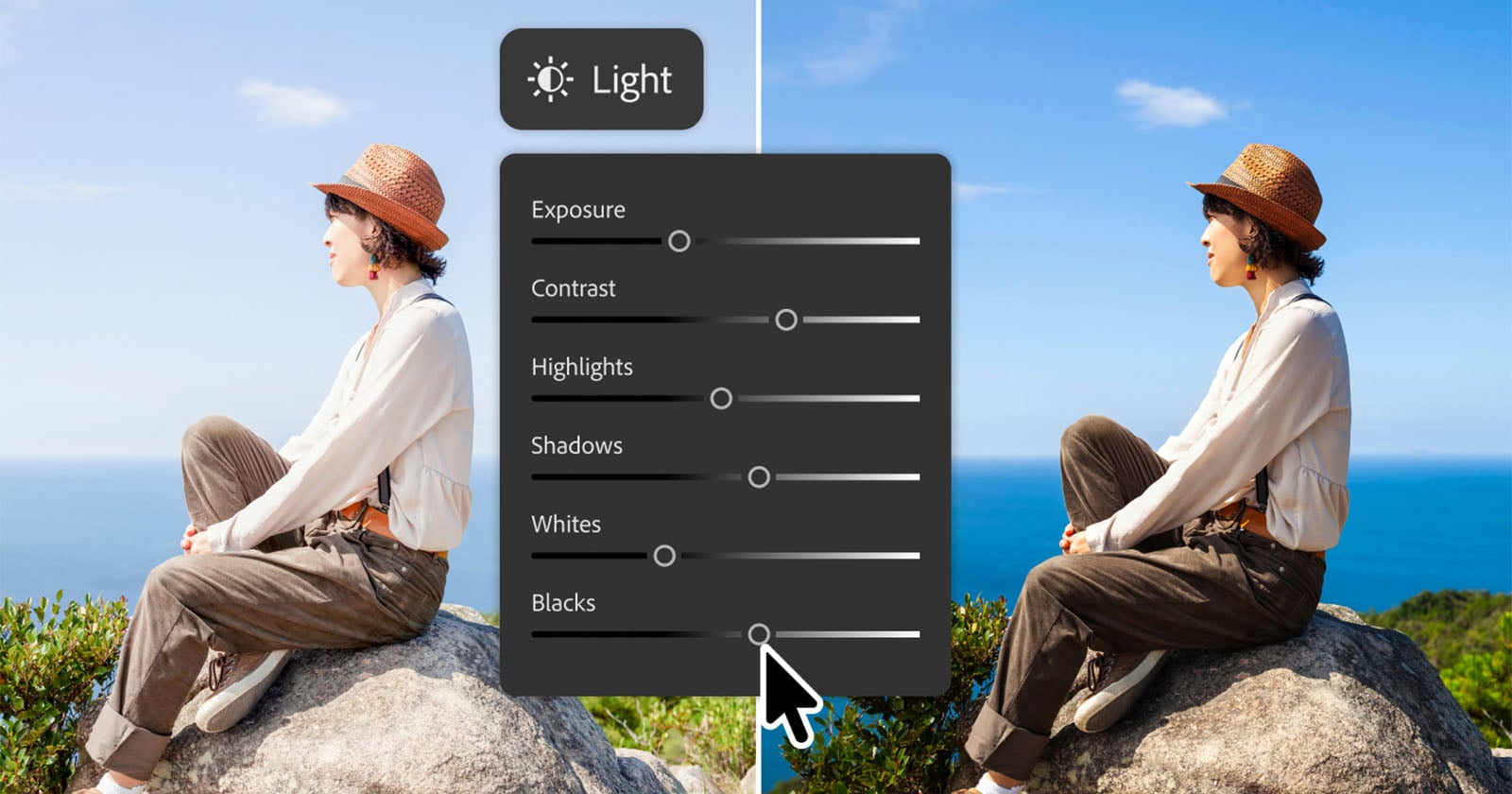
Adobe says that the best creative software lets users focus more on their creative ideas and less on the actual tools required to bring them to life. The company believes Photoshop's latest update builds upon this vision and gives photographers more flexibility and choice in how they create.
Read on the original site
Open the publisher's page for the full experience