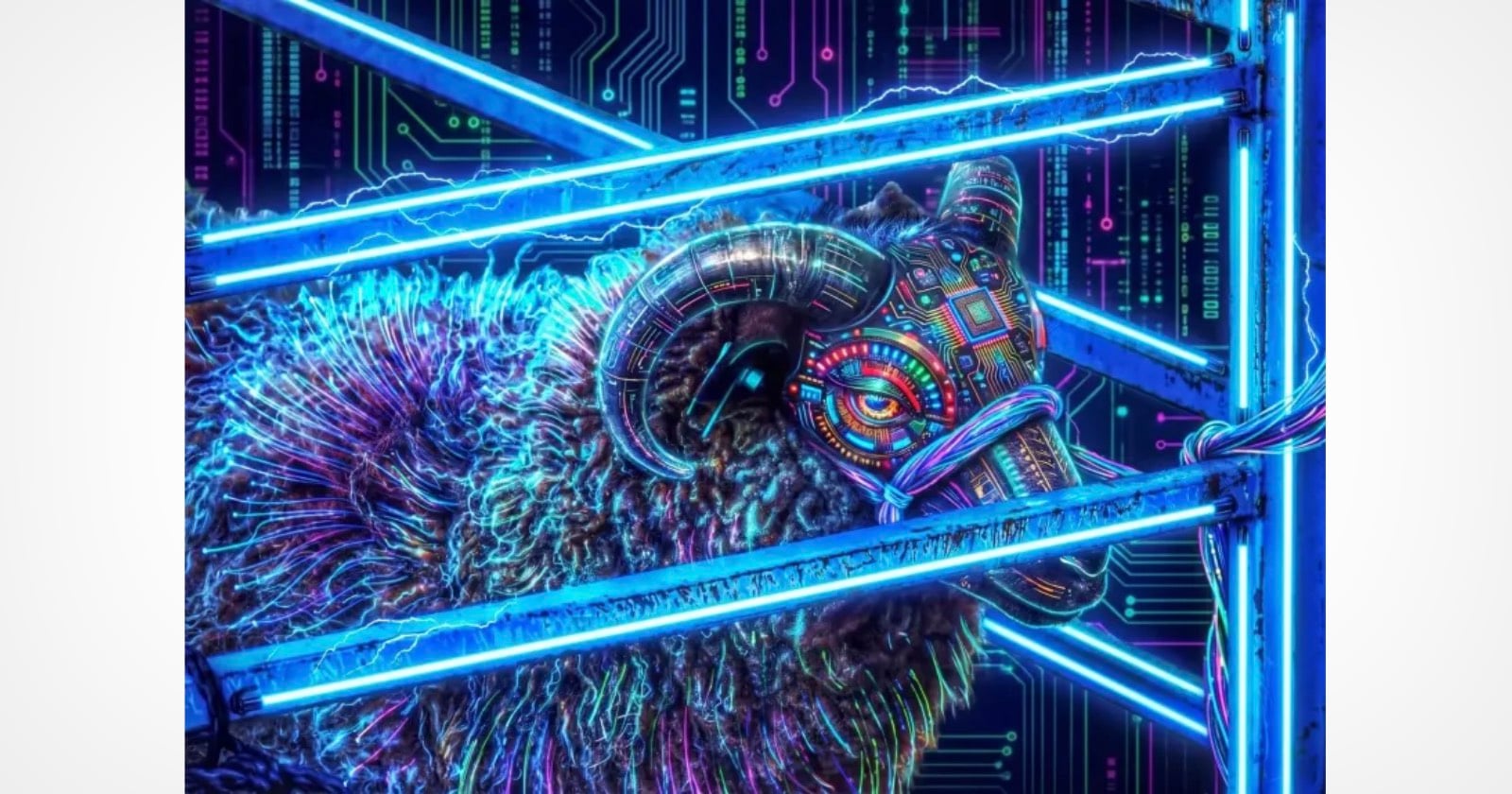
The recent controversy surrounding the winner of the Colorado State Fair photography competition has ignited a fascinating, and perhaps inevitable, debate about the evolving definition of art and the role of artificial intelligence in its creation. The winning image, a digitally rendered depiction of a cybernetic ram, was undeniably striking – a vibrant fusion of organic form and futuristic technology. However, its creation relied heavily on AI tools, a detail that wasn't initially disclosed and has since sparked outrage amongst traditional photographers who feel their craft has been unfairly undermined. This situation compels us to consider a broader question: as AI becomes increasingly sophisticated and accessible, how do we navigate the boundaries of artistic expression and ensure fairness and integrity within creative competitions? The incident isn’t simply about a single prize; it’s a reflection of a larger shift occurring across the artistic landscape.
The organizers' swift response – announcing rule changes for next year that will explicitly address AI-generated content – demonstrates a commitment to upholding the spirit of the competition. This is a necessary, though perhaps reactive, step. The current situation highlights a lack of clarity within many artistic arenas regarding the acceptable use of AI. While we celebrate innovation and the exploration of new technologies, it’s crucial to maintain transparency and establish clear guidelines. The beauty of photography, traditionally, has resided in the photographer's skill in capturing a moment, manipulating light, and composing a scene through their own lens and artistic vision. While digital editing has always been a part of the process, the core of the work remained rooted in a tangible, real-world interaction. AI fundamentally alters that dynamic, shifting the emphasis from capturing reality to constructing it.
This isn't to suggest that AI-assisted art is inherently invalid. Rather, it underscores the need for distinct categories and frameworks to acknowledge and evaluate the unique qualities of AI-generated creations. Perhaps future competitions could feature a dedicated “AI-Assisted” category, allowing artists to showcase their skills in utilizing these tools while still respecting the established standards for traditional photographic artistry. The key lies in fostering a dialogue that embraces technological advancements while preserving the value and recognition of human creativity. We believe this is an opportunity to curate a deeper understanding of the spectrum of artistic practice in the digital age.
Ultimately, the Colorado State Fair controversy serves as a potent reminder that the definition of art is constantly evolving. It compels us to examine our assumptions about creativity, authorship, and the tools we use to express ourselves. As we move forward, a curated approach to these discussions—one that is both open to innovation and grounded in a respect for artistic integrity—will be essential. The future of art, and photography in particular, promises to be a vibrant and complex exploration of human ingenuity and the ever-expanding possibilities of technology.