Amelia Earhart’s Airplane or a Coconut Tree? New Expedition Seeks the Truth
Our take
## Our Take: The Enduring Mystery of Amelia Earhart and the Pursuit of Truth
The relentless quest to uncover the fate of Amelia Earhart and her navigator, Fred Noonan, continues to captivate the world, and the latest expedition, detailed in PetaPixel’s article, offers a fresh, technologically advanced approach to a decades-old enigma. For our audience, attuned to both the artistry of exploration and the precision of modern technology, this isn’t just a historical footnote; it represents the enduring human desire to understand the unknown, a drive mirrored in the pursuit of innovative design and mindful living. The sheer audacity of Earhart’s ambition – to circumnavigate the globe by air – remains breathtaking, and the mystery surrounding her disappearance fuels a fascination that transcends generations. This latest search, employing advanced sonar technology to scan the ocean floor near Nikumaroro Island, taps into that same spirit of daring and meticulous investigation. It's a compelling intersection of history, technology, and the allure of the unexplored, themes deeply resonant with our community’s appreciation for curated experiences and authentic narratives. Relatedly, the technological advancements used in modern deep-sea exploration are pushing boundaries in fields far beyond archaeology, as explored in this article on underwater robotics.
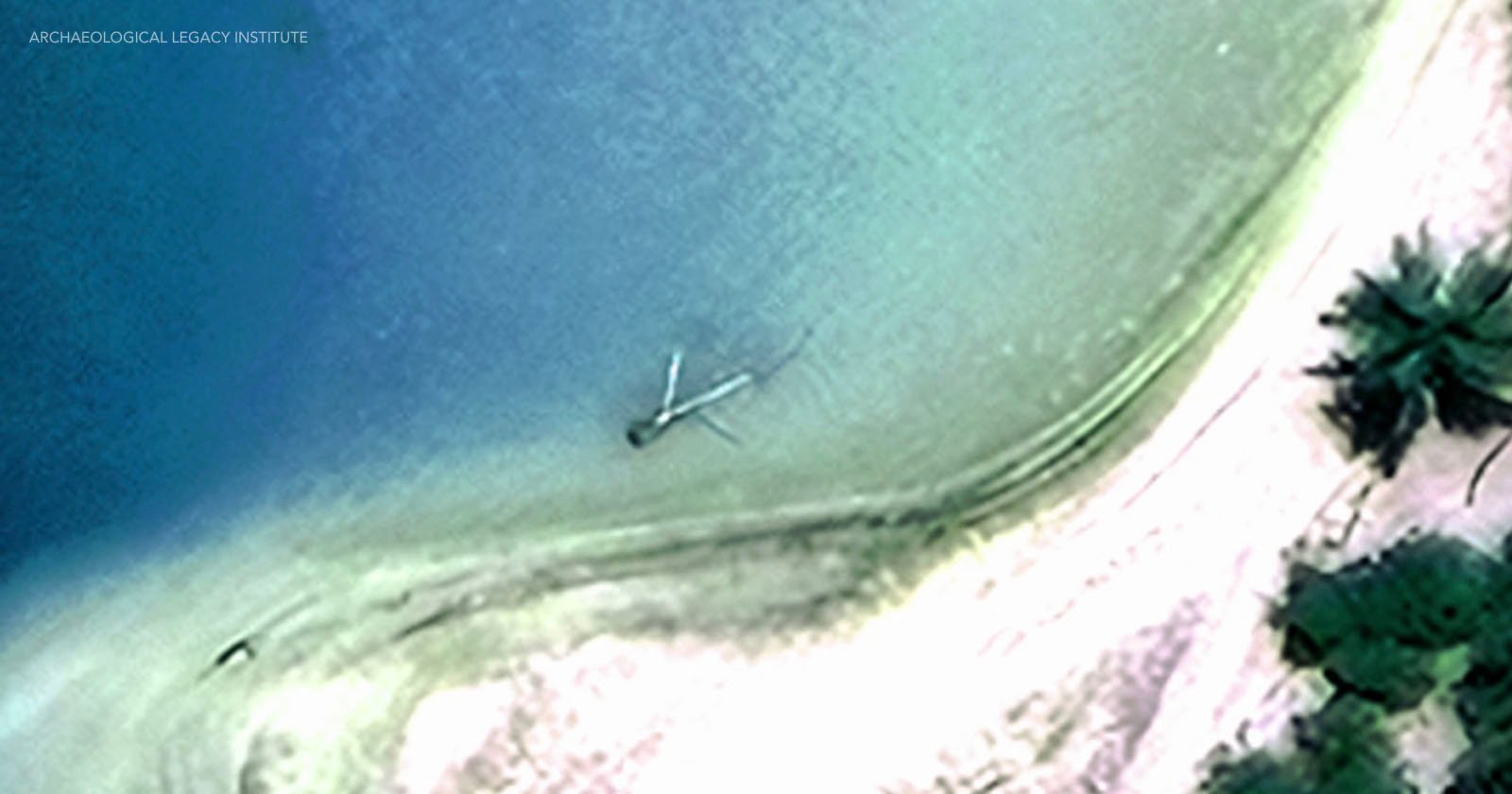
The persistent focus on Nikumaroro, also known as Gardner Island, is particularly intriguing. While theories abound, ranging from a deliberate crash landing to capture by the Japanese, the island has consistently emerged as a credible location for the final resting place of Earhart's Lockheed Electra. The image accompanying the PetaPixel article—a coastline punctuated by what appears to be a submerged structure—is undeniably evocative, sparking both hope and skepticism. What separates this expedition from previous attempts is the sophisticated sonar equipment being deployed, capable of mapping the seabed with unprecedented detail. This represents a significant leap beyond traditional search methods, promising a more thorough and nuanced understanding of the underwater terrain. The challenge, of course, remains immense. The vastness of the Pacific Ocean, combined with the decades of potential disturbance to the seabed, creates a formidable obstacle. It’s a testament to human perseverance that despite the odds, the search continues, driven by a desire not just to find the wreckage, but to bring closure to a story that embodies both triumph and tragedy. Examining the broader history of aviation mysteries, the challenges faced by researchers are often compounded by environmental factors and the limitations of available technology, as highlighted in this piece on unsolved aviation incidents.
The implications of finding, or definitively *not* finding, Earhart's plane extend beyond simply resolving a historical mystery. It could rewrite our understanding of her final flight path and the events leading to her disappearance. The evidence gathered could either support existing theories or necessitate a reevaluation of the circumstances. Even the absence of conclusive evidence would provide valuable data, narrowing the search area and informing future expeditions. Beyond the historical significance, the advancements in marine archaeology and underwater imaging technologies that are being deployed in this search have far-reaching applications. These technologies are finding use in diverse fields, from environmental monitoring and resource exploration to infrastructure inspection and even artistic installations, revealing a convergence of scientific rigor and aesthetic potential—a connection that resonates deeply with our brand’s ethos. The expedition itself serves as a compelling example of how technology and artistry can intersect to unlock secrets of the past and inspire innovation for the future.
Ultimately, the enduring fascination with Amelia Earhart's disappearance underscores the power of human ambition and the enduring allure of the unknown. The current expedition using advanced sonar technology represents a pivotal moment in this ongoing quest, offering the tantalizing possibility of finally revealing the truth hidden beneath the waves. As we watch this search unfold, one question remains: what other long-lost stories might be unearthed through the combined power of advanced technology and unwavering dedication to uncovering the past, and how will these discoveries reshape our understanding of history and the human spirit?
It's been 89 years since Amelia Earhart disappeared while attempting to become the first female pilot to circumnavigate the world, and despite numerous attempts, her airplane has still not been found.
Read on the original site
Open the publisher's page for the full experience