Apparently ‘Photography Is All Fake Anyway’
Our take
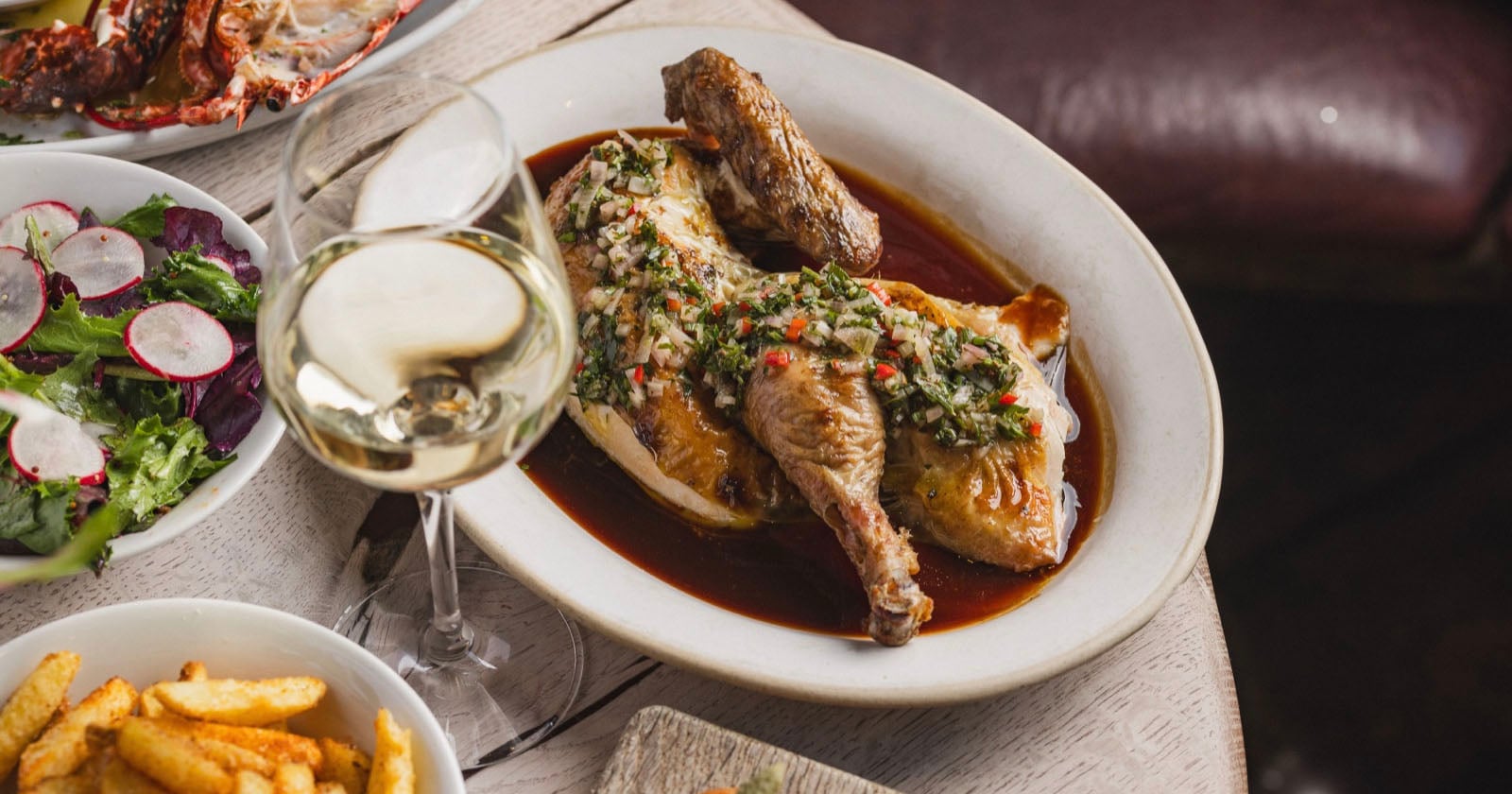
The recent online kerfuffle surrounding AI-generated food photography, as highlighted in PetaPixel’s recent article, “Apparently ‘Photography Is All Fake Anyway,’” speaks to a deeper, increasingly pertinent anxiety about authenticity in the digital age. It’s amusing, in a darkly ironic way, to see a restaurant’s attempt at marketing backfire so spectacularly, revealing the tell-tale signs of an artificial image. But the laughter shouldn't mask the underlying issue: as AI tools become more sophisticated, the line between genuine representation and fabricated reality continues to blur, impacting not just the food industry, but photography across all disciplines. This echoes a sentiment explored in "David Bowie’s Official Photographer Transforms His Photo Archive Into an Immersive Experience," where the tangible, curated nature of a photographic archive—a testament to a real moment in time—stands in stark contrast to the ephemerality of digitally constructed imagery. The ease with which convincing fakes can now be created demands a renewed appreciation for the artistry and skill inherent in traditional photography, a skill celebrated in articles like "Kodak Gold is Somehow Both Very Popular and Underappreciated," showcasing the enduring appeal of analog processes and the unique qualities they impart.
The comments section of that Facebook post—a chaotic digital town square—represents a growing skepticism. Consumers are becoming increasingly savvy, able to detect the subtle inconsistencies that betray an AI’s attempt at mimicry. This isn’t simply about identifying poorly rendered sauce; it’s about a broader erosion of trust. Photography, historically a tool for documenting reality, is now facing a challenge to its very foundation. While AI image generation holds immense potential for creative exploration and streamlining certain workflows (as evidenced by innovations like SmallRig Nano Power Banks having mounting points for camera rigs), its uncritical application in commercial contexts risks devaluing the work of photographers and misleading consumers. The inherent beauty of a photograph lies not just in its visual appeal, but in the story it tells—a story rooted in a specific moment, a particular perspective, and the intentional choices of a human artist. AI, at least in its current state, can only simulate these elements, never truly embody them.
The irony, of course, is that photography has always been a constructed reality. Even the most ostensibly "realistic" photograph involves choices about framing, lighting, and composition. Early photographic processes, and even contemporary digital editing, have always involved manipulation. However, there's a crucial difference between artistic enhancement and outright fabrication. The former enhances the truth; the latter replaces it. This shift necessitates a re-evaluation of how we consume and interpret visual media. We must cultivate a more discerning eye, questioning the origins of images and recognizing that what we see may not always reflect what actually exists. The rise of AI-generated imagery isn’t necessarily a death knell for photography; rather, it’s a catalyst for a necessary conversation about authenticity, transparency, and the value of human creativity.
Looking ahead, the challenge will be to harness the power of AI in a way that complements, rather than undermines, the art of photography. Perhaps we’ll see a new emphasis on verifiable provenance—digital watermarks or blockchain-based authentication systems to guarantee the authenticity of images. Or perhaps a renewed appreciation for the tangible—printed photographs, curated exhibitions—as a counterpoint to the digital deluge of potentially fabricated content. The question remains: how will we navigate a visual landscape where discerning reality from simulation becomes increasingly difficult, and how will we ensure that the artistry and integrity of photography are not lost in the process?
A short while ago I was reading the comments on a restaurant's Facebook group post. The post was a set of dodgy AI-generated food images, and they had that giveaway look. Too glossy, sauce behaving strangely, and bread that somehow looked like a sponge.
Read on the original site
Open the publisher's page for the full experience