Apple Sues OpenAI, Alleging Former Employees Stole Confidential Hardware Trade Secrets
Our take
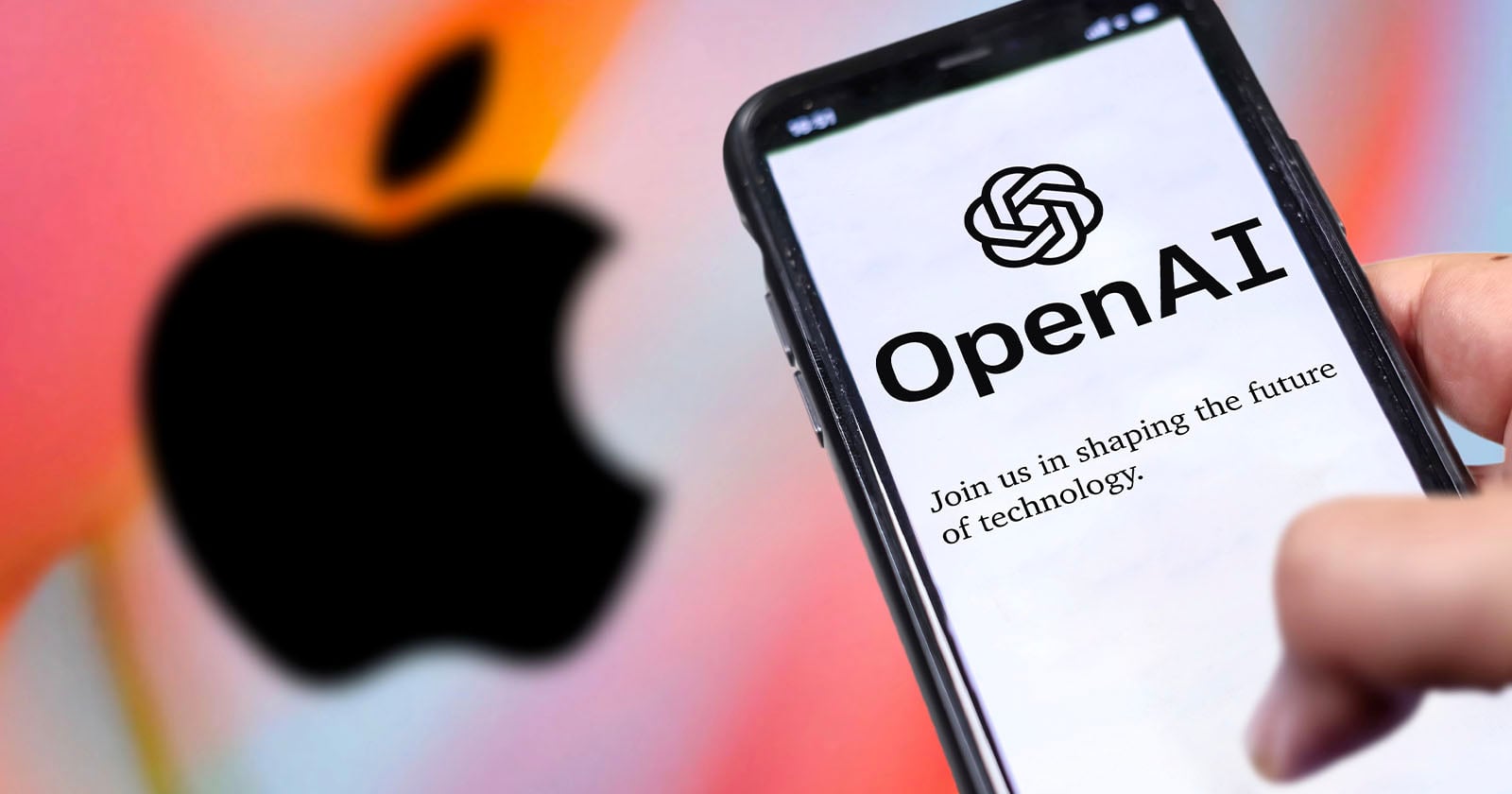
The escalating legal battle between Apple and OpenAI, alleging the theft of confidential hardware trade secrets, represents a significant tremor in the rapidly evolving landscape of artificial intelligence and consumer technology. It’s a collision of titans – a company renowned for its meticulously guarded design and engineering prowess versus an AI powerhouse pushing the boundaries of generative models. The lawsuit, centered around two former Apple employees who allegedly moved to OpenAI and shared sensitive information, underscores the growing tension between innovation and intellectual property protection in an era where technological advancements are accelerating at an unprecedented rate. This isn't simply a dispute over patents; it’s a challenge to the very model of AI development, raising questions about the ethical sourcing of knowledge and the potential for corporate espionage in a field fueled by proprietary data and cutting-edge hardware. It’s fascinating to consider this in the context of the creative tools we see emerging, like the camera accessories detailed in [Falcam’s Hasselblad X2D Cage Offers Protection and a Secret AirTag Compartment], where even seemingly niche equipment becomes a vector for technological integration and potential vulnerability. And, as the industry faces challenges in finding and retaining talent, as mentioned in [New mods post], the potential for poaching and intellectual property disputes becomes even more pronounced.
The core of Apple’s accusation is that the former employees leveraged their intimate knowledge of Apple’s silicon designs – specifically related to hardware architectures – to expedite OpenAI’s ambitions in consumer hardware. This is particularly concerning for Apple, which has invested heavily in custom silicon, differentiating its products through performance and efficiency. OpenAI’s stated objective is to create its own AI-powered devices, and the allegations suggest they sought to shortcut the development process by gaining access to Apple’s hard-won expertise. While OpenAI has publicly denied the claims, the lawsuit has already sparked a broader conversation about the boundaries of acceptable employee mobility and the responsibility of companies to safeguard their intellectual property. The implications extend beyond the immediate legal outcome; they signal a potential hardening of corporate defenses against the free flow of talent and ideas within the tech sector, potentially stifling innovation in the long run if not handled delicately. The broader ecosystem of photography and creative tools also faces increased scrutiny, as evidenced by the need to advocate for creator support, highlighted in [Tell Everyone You Know Who Wants to Support Photographers].
This case is particularly noteworthy because it highlights a less-discussed vulnerability in the AI race: the dependence on specialized hardware. While much of the focus has been on algorithms and training data, the underlying computational infrastructure – the chips and systems that power these advancements – remains a critical differentiator. Apple’s expertise in this area is a key component of its competitive advantage, and the alleged theft of this knowledge could have a significant impact on its future hardware roadmap. It also forces us to re-evaluate the nature of "trade secrets" in an interconnected world. How can companies effectively protect sensitive information when employees routinely move between organizations, and the lines between public knowledge and proprietary data are increasingly blurred? The legal proceedings will likely delve into these complexities, setting precedents for how intellectual property is defined and protected in the age of AI.
Ultimately, the Apple vs. OpenAI lawsuit serves as a cautionary tale about the complexities of innovation in the 21st century. It’s a reminder that the pursuit of technological breakthroughs must be balanced with a commitment to ethical practices and respect for intellectual property. As AI continues to permeate every aspect of our lives, the question isn’t just about *what* can be achieved, but *how* it’s achieved. Will this case lead to a more cautious approach to talent acquisition and knowledge sharing within the tech industry, or will it simply be an isolated incident? And perhaps more importantly, how will this impact the development and accessibility of AI-powered devices, and the creative tools that integrate with them, in the years to come?
Apple has filed a lawsuit against OpenAI, accusing the artificial intelligence company and two former Apple employees of misappropriating confidential hardware information to accelerate OpenAI's consumer hardware ambitions.
Read on the original site
Open the publisher's page for the full experience