Are Telephoto Lenses Bad for Street Photography?
Our take
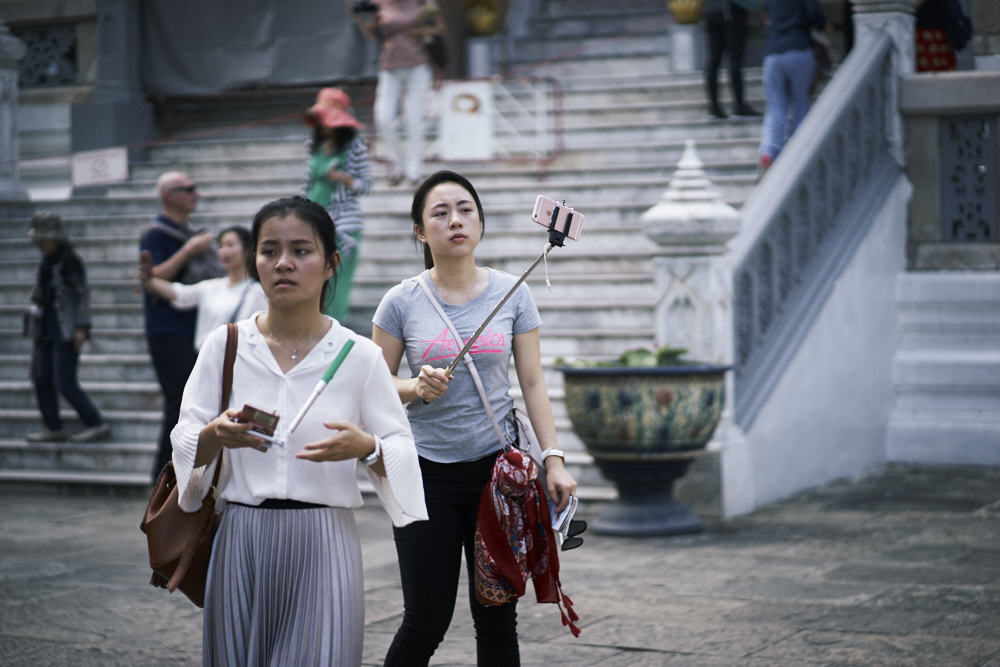
The current discourse surrounding street photography gear often fixates on the ideal focal length, with a strong bias toward wider angles. This isn’t merely a stylistic preference; it speaks to a deeper philosophy about the act of photographing in public spaces. As the original article rightly points out, the prevalence of wide-to-normal lenses stems from a desire for accountability, a recognition that engaging with subjects requires a level of human interaction. It’s a deliberate choice to move beyond the detached observation afforded by longer lenses and to instead participate, however subtly, in the scene. This echoes the ethos explored in [12 Discounted Full-Frame Lenses Great for Landscape Photography], where the gear choice directly informs the photographic experience – a connection between the tool and the artistic intent. The debate isn’t about what’s *technically* superior, but rather what best serves the photographer's vision and approach.
However, the almost dogmatic insistence on wide lenses risks stifling creative exploration. While the accountability argument holds merit, it shouldn't preclude the use of telephoto lenses altogether. To dismiss them entirely is to ignore the unique perspectives they offer – the ability to isolate subjects, compress space, and capture fleeting moments from a distance, all without the immediate confrontation inherent in a closer approach. The obsession with gear itself is a valid critique, as highlighted by the article's observation that we’re perhaps “talking way too much about gear.” This echoes the recent news of [Alex Brandon Named AP Chief White House Photographer], demonstrating that impactful photojournalism can be achieved regardless of the lens at hand; it’s the photographer’s eye and storytelling ability that truly matter. There’s a compelling argument to be made that a skilled photographer can imbue even a telephoto lens with a sense of intimacy and connection, challenging the conventional wisdom. Even the recent developments surrounding the [You Can Definitely Buy a ‘Banned’ DJI Osmo Pocket 4 Camera In the US] showcase how technological innovation can reshape photographic possibilities, pushing boundaries and demanding a re-evaluation of established norms.
The beauty of street photography, and indeed all photography, lies in its inherent subjectivity. There’s no single “right” way to capture a moment, and restricting oneself to a narrow range of focal lengths limits the potential for unique and compelling imagery. The argument isn’t about abandoning the principles of ethical and respectful photography – engaging with subjects and being mindful of their privacy remains paramount. It’s about expanding the toolkit and recognizing that a telephoto lens can be a powerful instrument for storytelling, even in the context of street photography. The key lies in employing it with intention and sensitivity, using its capabilities to enhance rather than detract from the human element. It's about finding a balance—a middle ground where technical proficiency meets artistic vision, and where the gear serves the story, not the other way around.
Ultimately, the conversation around telephoto lenses in street photography reveals a deeper tension within the photographic community: the balance between documentation and artistic interpretation. As technology continues to evolve and new creative approaches emerge, it’s vital to question established norms and embrace experimentation. The question moving forward isn't whether telephoto lenses *belong* in street photography, but rather how photographers can harness their unique capabilities to create meaningful and impactful work while remaining mindful of the ethical considerations inherent in photographing public spaces. Will we see a resurgence of telephoto lens usage in street photography, and if so, how will this shift reshape the aesthetic and philosophical landscape of the genre?
Read on the original site
Open the publisher's page for the full experience