Are These Photographers Too Close to This Wild Puma?
Our take
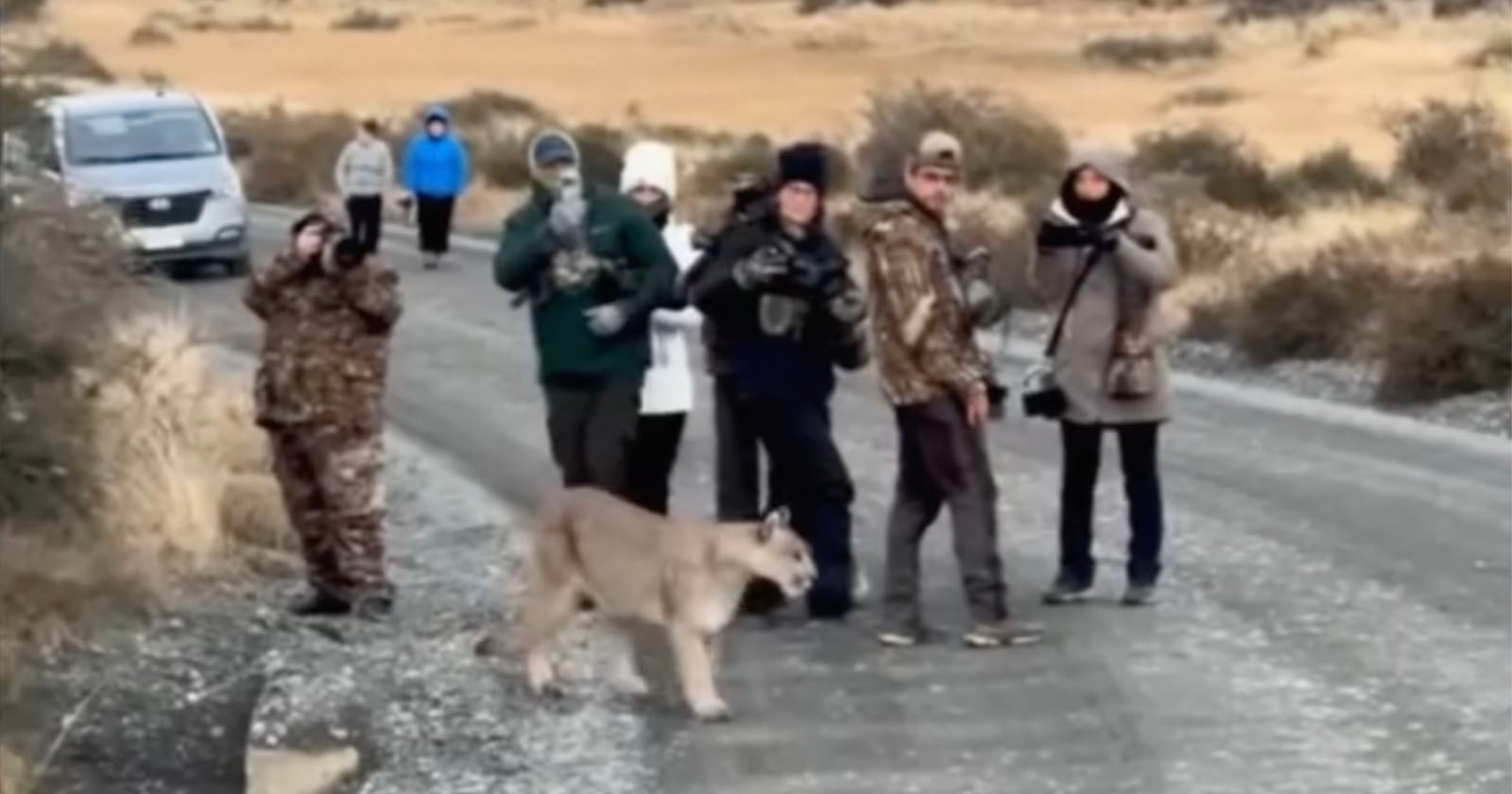
The recent viral video depicting a puma calmly navigating a group of photographers in Torres del Paine National Park has ignited a necessary, albeit uncomfortable, conversation within the photography community. While the footage itself is undeniably breathtaking – a visceral demonstration of the raw power and grace of a wild animal – it also raises serious questions about ethical wildlife photography practices. The incident quickly drew criticism online, questioning the photographers’ proximity to the puma and the potential risk they posed to both themselves and the animal. It’s a situation that forces us to confront the inherent tension between capturing extraordinary images and respecting the delicate balance of nature. This discussion echoes ongoing debates about responsible wildlife observation, a topic we've explored before, such as in [This Free to Enter Photo Competition Has a $70,000 Total Prize Fund], highlighting the increasing importance of ethical considerations even within competitive photography spheres. Furthermore, the incident underscores the need for accessible and user-friendly gear that can facilitate safer shooting practices, something Wandrd addresses with their [Wandrd Announces Nifty Magnetic Camera Strap System], demonstrating a focus on both functionality and ease of use in the field.
The photographers’ defense – that they were accustomed to observing this particular puma and that her behavior indicated a lack of threat – is a complex one. While familiarity can undoubtedly breed a certain level of comfort, it doesn’t negate the inherent unpredictability of wild animals. Pumas, even those seemingly habituated to human presence, are apex predators, and any interaction carries an element of risk. The incident also highlights a broader trend within wildlife photography: the pursuit of increasingly dramatic and intimate shots. The desire to capture that “perfect” image can sometimes overshadow caution and respect for the animal’s space. This isn't to condemn all wildlife photographers; many operate with the utmost care and ethical consideration. However, this situation serves as a stark reminder that the pursuit of visual storytelling should never come at the expense of animal welfare or safety. The line between observation and intrusion can be blurry, and this event forces us to critically examine where that line lies.
Beyond the immediate safety concerns, the incident raises questions about the impact of human presence on puma behavior. Repeated close encounters, even seemingly benign ones, can disrupt natural patterns, alter feeding habits, and increase stress levels for the animal. The long-term consequences of such disturbances are often difficult to quantify, but they can contribute to a decline in animal health and resilience. It's crucial that photographers, and indeed all wildlife enthusiasts, acknowledge their responsibility to minimize their impact on the environment. This means adhering to established guidelines for wildlife viewing, maintaining a safe distance, and avoiding any actions that could provoke or distress the animal. Education plays a vital role here – ensuring that photographers are fully aware of the potential consequences of their actions and equipped with the knowledge to make responsible decisions. Professional organizations and conservation groups should continue to provide resources and training to promote ethical wildlife photography practices.
Ultimately, the puma encounter in Torres del Paine is a catalyst for a broader conversation about the ethics of visual storytelling and our relationship with the natural world. It’s a reminder that breathtaking images shouldn’t come at a cost—not to the animals whose lives we document, nor to the integrity of our profession. As technology continues to make it easier to capture stunning wildlife footage, the responsibility to do so ethically becomes even more paramount. What new protocols or industry standards might emerge to better protect wildlife while allowing photographers to continue documenting their beauty and behavior, and will those protocols be effectively enforced?
An incredible video of a well-known puma moving through a crowd of photographers as she stalked her prey in Torres del Paine National Park in Chile prompted criticism online -- but the photographers have defended themselves.
Read on the original site
Open the publisher's page for the full experience