Bali is Cracking Down on Photographers Traveling with Tourist Visas
Our take
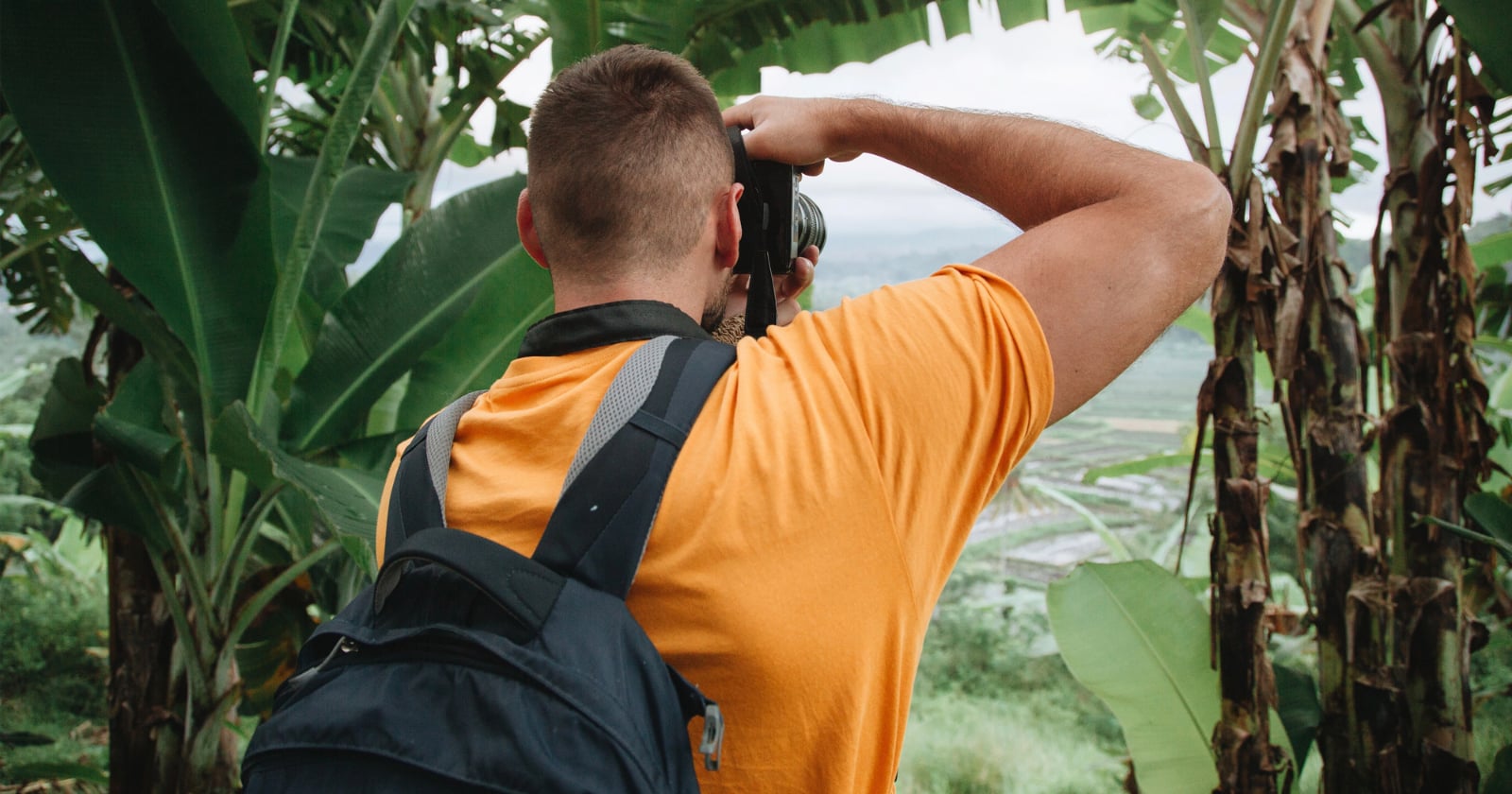
The news coming out of Bali regarding increased scrutiny of photographers operating on tourist visas is more than just a bureaucratic inconvenience; it’s a significant shift in how creative professionals are perceived and regulated within a popular travel destination. For years, Bali has served as a magnet for photographers and videographers, drawn by its stunning landscapes, vibrant culture, and relatively affordable cost of living. Many, even those producing content for personal projects or building portfolios, have operated under the assumption that a tourist visa would suffice. This crackdown, however, signals a tightening of those regulations, demanding a more nuanced understanding of visa requirements and potentially impacting the creative ecosystem that has flourished there. It’s a reminder that even in seemingly idyllic locations, legal frameworks are evolving, and the lines between tourism and professional work are becoming increasingly blurred. The situation echoes similar debates happening globally regarding digital nomads and the evolving definition of “work” in a remote-first world, and it's worth noting how this intersects with previous conversations around equipment choices, like those discussed in [The 3 Best Compact Cameras To Buy From 2011] – smaller, more portable gear made traveling and photographing easier, but now potentially complicating matters further. The core issue isn't solely about paid commercial work, which has always been subject to more stringent visa requirements. The Indonesian authorities are now targeting individuals using tourist visas to engage in any form of photography or videography, even if it's for personal blogs, social media, or portfolio building. This broader interpretation raises complex questions about what constitutes “work” in the digital age. Is sharing images on Instagram considered commercial activity? Does creating content for a personal YouTube channel imply an intent to monetize? The lack of clarity in these definitions creates uncertainty for photographers and necessitates a careful examination of visa options. The rise of fitness content creators, for instance, often documenting their routines in visually appealing locations, could also fall under this new scrutiny. Consider, for example, how a simple workout video filmed in Bali could be interpreted as commercial activity impacting this developing situation. Building on this, the potential for increased regulation could also influence the equipment choices photographers make, as explored in [Lomo’s Sprocket Rocket Pano Film Camera Comes In an Ugly New Color] – a shift towards more discreet, less professional-looking gear might become a strategic consideration to avoid unwanted attention. Beyond the immediate practical implications for photographers, this development highlights a broader tension between tourism and economic activity. Bali’s economy is heavily reliant on tourism, but the influx of foreign creatives has also contributed to concerns about the exploitation of local resources and the potential displacement of local talent. While many photographers actively collaborate with and support local communities, the perception that some are profiting from Bali's beauty without contributing fairly to the local economy has fueled these regulatory changes. It's a delicate balancing act for the Indonesian government – fostering a vibrant creative scene while protecting the livelihoods of its citizens and preserving the island's cultural heritage. The situation also underscores the importance of ethical travel practices and responsible content creation. Photographers should be mindful of their impact on local communities and strive to contribute positively to the places they visit. Even those focused on personal fitness, as discussed in [This Made-For-Dads Workout Blows Up Your Arms in 22 Minutes], should be aware of the regulations and potential pitfalls of operating within a foreign jurisdiction. Looking ahead, it’s likely that we’ll see a more widespread adoption of stricter visa regulations for creative professionals across various travel destinations. The rise of remote work and the increasing accessibility of digital tools have blurred the lines between leisure and work, prompting governments to re-evaluate their immigration policies. For photographers and videographers, this means a greater need for due diligence, careful planning, and a proactive approach to visa compliance. The question remains: will Bali adapt its policies to accommodate the needs of creative professionals while upholding its legal framework, or will it become a less attractive destination for those seeking to capture its beauty?
Authorities are cracking down on photographers and videographers operating in Bali on tourist visas -- even if they are not getting paid for their images.
Read on the original site
Open the publisher's page for the full experience