Because Photoshoots with LEDs are Brain Rot…Try This
Our take
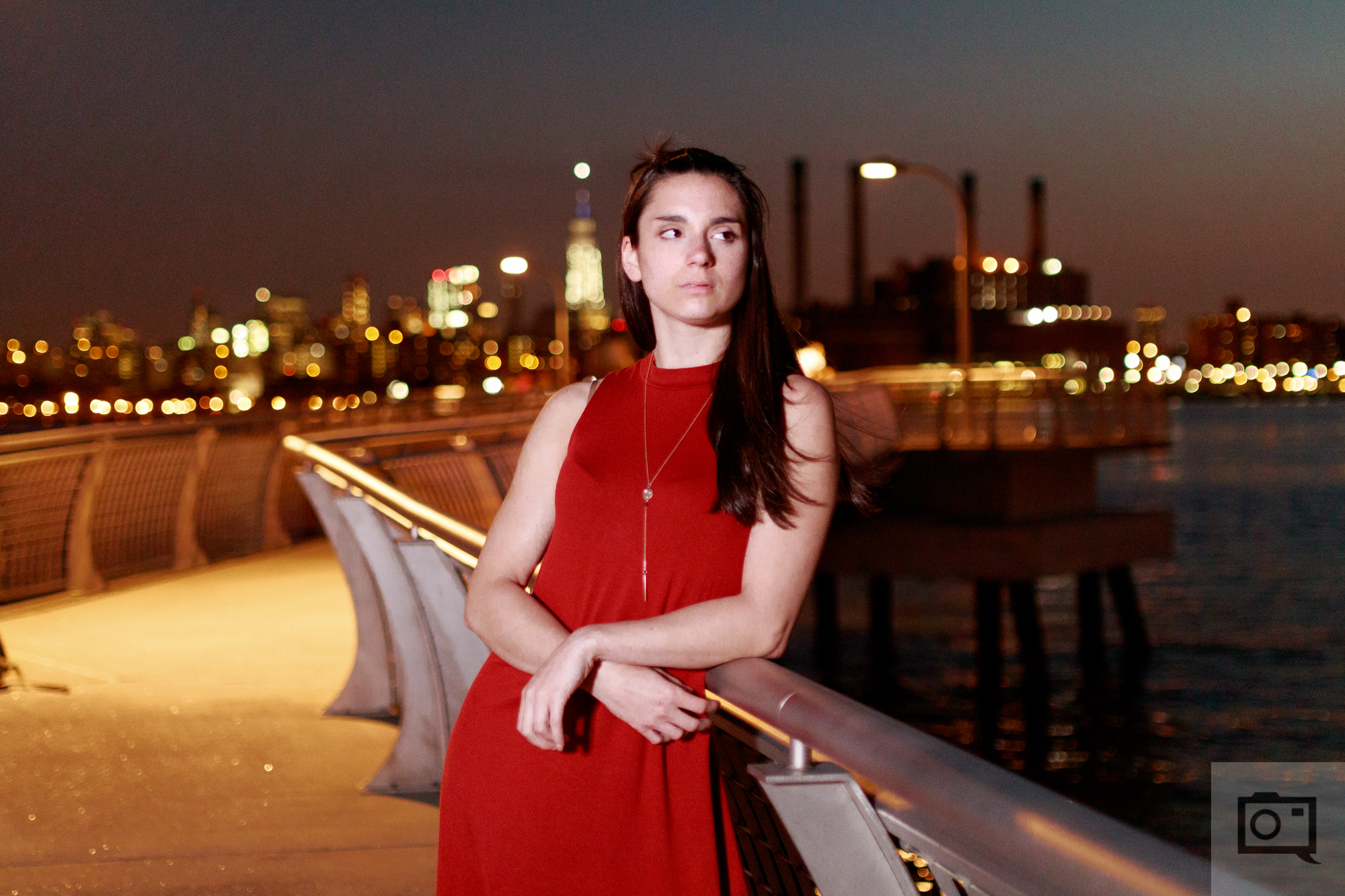
## Our Take: Reclaiming the Creative Process in Photography
The recent discourse surrounding the ease of modern photographic tools, particularly the prevalence of LED lighting, has struck a resonant chord within our community. The argument, as succinctly put by the original article, is that readily available, perfectly calibrated light removes a crucial element of the photographic process: critical thinking and creative problem-solving. When the "answers" are handed to you, what is there left to learn? This isn’t a rejection of technological advancement; rather, it’s a call to consider the subtle but significant impact of automation on artistic development. It echoes a sentiment we've observed across various creative fields, a concern that over-reliance on convenience can stifle innovation and a deeper understanding of the craft. Consider, for example, the recent release of [Wescott’s New FJ100 Strobe and Speedlight Are its Most Compact Wireless Lights Yet], showcasing the continued evolution of portable strobe technology designed for on-location work. While these advancements expand accessibility, it's vital to ensure they complement, rather than replace, the photographer's core skills. Similarly, the evolution of lenses, such as [Sony’s New FE 100-400mm f/5.6-8 OSS Is an $850 Zoom for the Masses], offers more options, but demands a greater understanding of how to leverage them effectively.
The shift away from LEDs and towards studio strobes, as advocated in the original piece, isn’t simply about aesthetics. It's about reintroducing the challenge of shaping light, understanding its falloff, and manipulating it to achieve a desired effect. Strobes demand a more deliberate approach, forcing photographers to consider power settings, modifiers, and placement to achieve the desired result. This process, while potentially more time-consuming, fosters a deeper understanding of light’s behavior and, consequently, a more nuanced and personal artistic vision. The visual storytelling in works like [RISHIKESH PRE-WEDDING TEASER | NEERAJ & ANCHAL | RAHUL LUXURY PHOTOGRAPHY] demonstrates the power of intentional lighting to set a mood and convey a narrative – a level of control often diminished when relying on the immediate, often flat, output of LEDs. The core issue isn't the technology itself, but the mindset it can engender: a passive acceptance of readily available solutions versus an active engagement with the creative process.
This debate transcends the specific tools being discussed. It’s a broader reflection on the role of technology in all creative pursuits. While automation and ease of use have undoubtedly democratized photography, making it accessible to a wider audience, there's a risk of sacrificing depth for immediacy. The allure of instant gratification can lead to a homogenization of style, where images begin to resemble one another, lacking the distinct mark of the artist. The skill lies in harnessing technology’s power without surrendering creative control. It’s about using tools to enhance, not replace, the photographer’s eye and artistic vision. The ability to critically evaluate light, to understand its impact on a subject, and to manipulate it to evoke a specific emotion remains a cornerstone of compelling photography.
Looking ahead, we anticipate a growing emphasis on “craftsmanship” in photography—a renewed appreciation for the technical skills and artistic judgment that elevate an image beyond a simple snapshot. The conversation around lighting is merely one facet of this broader trend. It will be fascinating to observe how photographers navigate this evolving landscape, embracing new technologies while retaining a commitment to mastering the fundamentals and fostering a deeper connection with their creative process. Will we see a resurgence of traditional lighting techniques, or will photographers find innovative ways to integrate modern tools while preserving the artistic integrity of their work? The answer, undoubtedly, lies in a mindful and deliberate approach to technology – one that prioritizes creative exploration over effortless execution.
Read on the original site
Open the publisher's page for the full experience