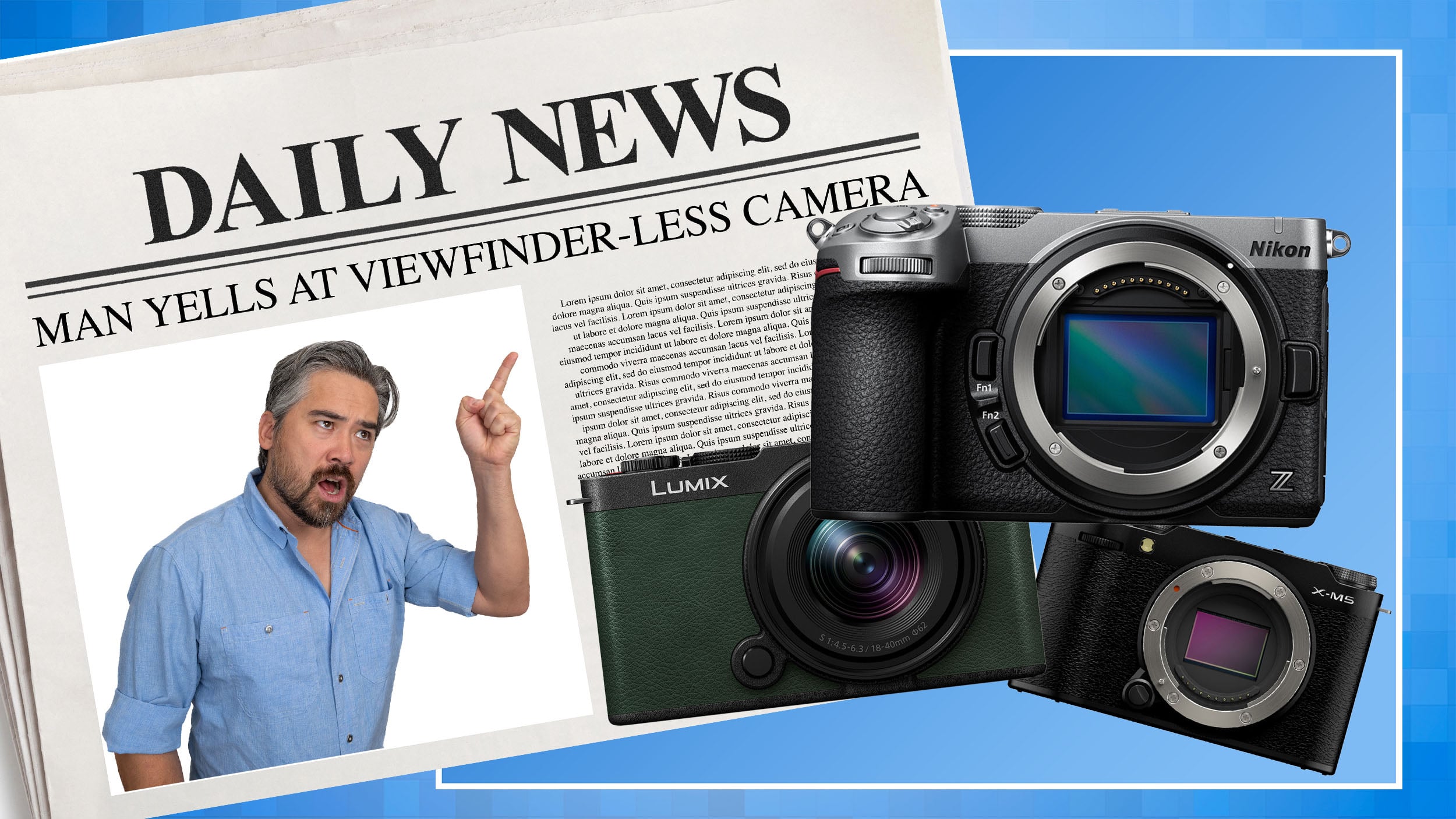
Our Take: Beyond the Lens: Is Camera Innovation Missing the Modern Creator?
The PetaPixel Podcast recently sparked a compelling conversation, asserting that traditional camera brands are fundamentally misinterpreting the needs and desires of the "smartphone generation." This isn't merely a critique; it's an invitation to re-evaluate how innovation is perceived and implemented in a rapidly evolving visual landscape. For those of us who appreciate the nuanced craft of photography, this discussion resonates deeply, touching upon the very essence of how we engage with our tools. It challenges the industry to move beyond incremental technical upgrades and instead embrace a more holistic understanding of the modern creative workflow. Whether it’s honing your craft with Unlock Vision: The Art of Manual Focus in Digital Photography or finding inspiration in the form factor of a camera like the Nikon Z5 II C: A Curated Camera for Authentic Street Moments, the conversation pivots on authenticity and the user experience.
The podcast’s stance highlights a crucial disconnect: while camera manufacturers often focus on higher megapixels, faster autofocus, or more complex menu systems, the smartphone generation prioritizes seamless integration, intuitive design, and immediate sharing capabilities. Their creative process is often fluid, blending capture, editing, and distribution into a single, intuitive flow. This isn't to say technical prowess is irrelevant; rather, it suggests that its presentation and accessibility are paramount. A truly aspirational camera in today's market isn't just about what it can do, but how effortlessly it allows the creator to express their vision. It's about empowering artistic expression without imposing unnecessary technical hurdles, fostering a vibrant ecosystem where creativity can flourish unhindered.
This perspective isn't about abandoning the rich heritage of photography; it's about evolving it. The smartphone has democratized visual storytelling, fostering a generation that instinctively understands composition and light, even if they don't articulate it in traditional terms. These creators are not necessarily seeking to replace their phones with bulky, complex cameras; they are seeking tools that amplify their existing creative instincts and integrate seamlessly into their digital lives. The challenge, then, for camera brands is to design devices that feel less like a separate, specialized instrument and more like an extension of the creative self—curated, intuitive, and deeply connected to their digital world. This calls for a shift from purely hardware-centric innovation to a more experience-driven approach, where the entire creative journey, from capture to share, is considered.
The broader significance of this discussion lies in its potential to reshape the future of photographic equipment. If camera brands genuinely listen to this feedback, we could see a new wave of devices that prioritize user experience, connectivity, and intelligent software over brute-force specifications. Imagine cameras designed with robust, integrated editing tools, instant social sharing capabilities, and interfaces that feel as natural as a smartphone, yet offer the superior optics and sensor performance of a dedicated camera. This isn't about dumbing down photography; it's about making advanced creative tools more accessible and intuitive, inviting a broader audience into the world of elevated visual storytelling. The brands that embrace this philosophy, offering a truly immersive and authentic creative experience, will undoubtedly be the ones to capture the imagination of the next generation of visual artists, perhaps even drawing inspiration from masters like those featured in Moments Captured: Shin Noguchi’s Street Photography, Now in a Deck. The question remains: will the industry rise to this challenge, or will it continue to miss the beat of the modern creator?