Butterfly’s Narrow Escape Among Wildlife Photographer of the Year Finalists
Our take
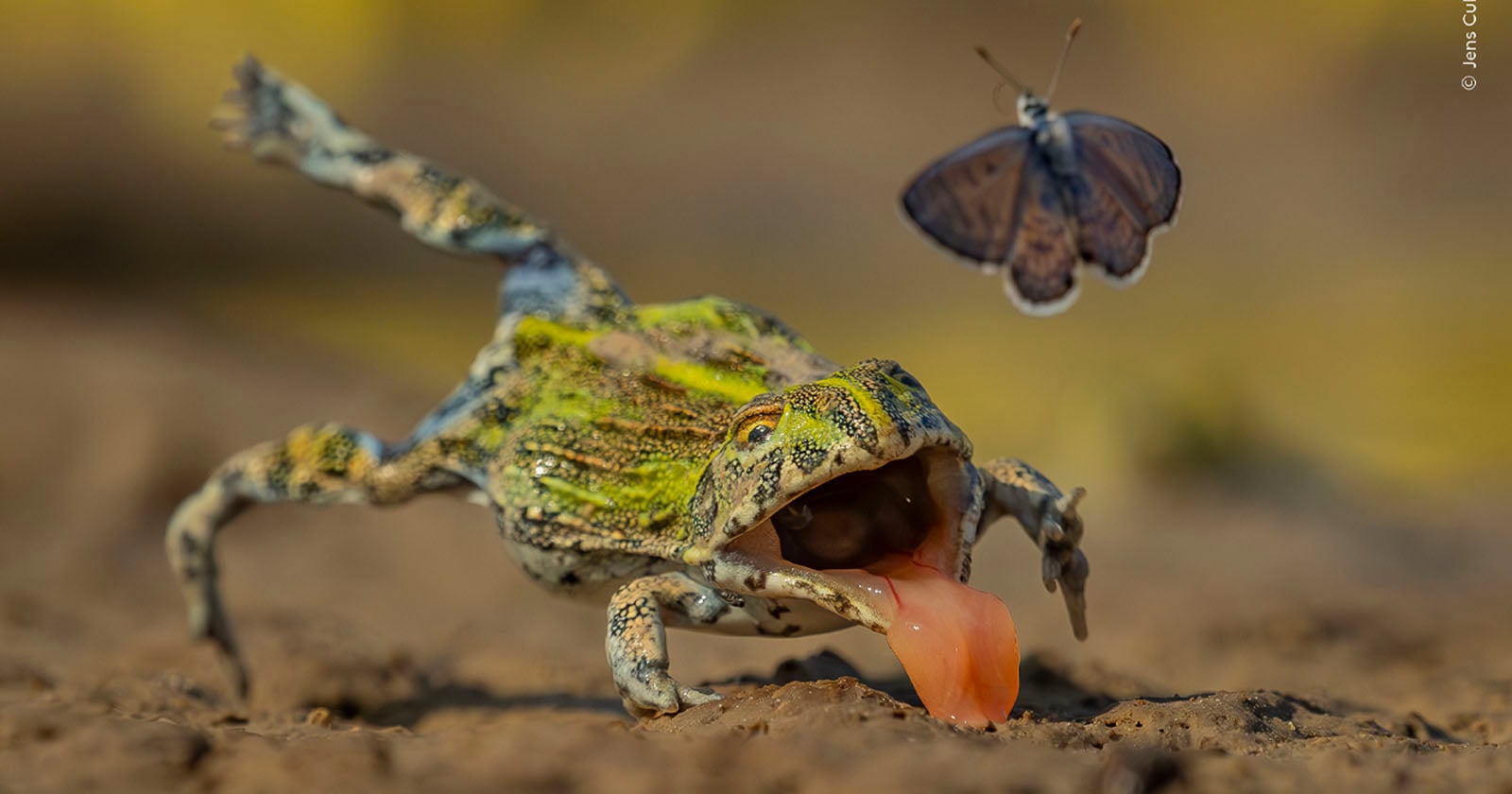
The Natural History Museum's Wildlife Photographer of the Year competition consistently serves as a vital benchmark, not just for photographic skill, but for the evolving understanding of our planet's delicate ecosystems. This year's sneak peek at the 2026 finalists, including the remarkable image of a frog’s near miss with a butterfly, underscores the urgency and artistry required to document the natural world. It's a competition that demands more than just technical proficiency; it requires a narrative, an emotional connection, and a profound respect for the subjects captured. The renewed interest in vintage cameras, as highlighted in The Contax G2 Hype is Warranted: This Camera Rocks, suggests a growing appreciation for the craftsmanship and intentionality often absent in modern, automated systems – qualities that seem particularly relevant to wildlife photography where capturing fleeting moments relies on a photographer’s intuition and skill. Even lens technology itself is undergoing a fascinating shift, as evidenced by Panasonic’s recent refreshes, explored in Panasonic Refreshes Four Lenses, Including Three for Micro Four Thirds, demonstrating the ongoing quest to optimize image quality and performance for increasingly demanding photographic applications.
The image of the butterfly and frog, a dramatic tableau of survival and instinct, encapsulates the competition’s core ethos: to inspire awe and encourage conservation. It's a reminder that even the most seemingly insignificant creatures play a crucial role in the intricate web of life. The finalists’ work, beyond simply depicting wildlife, often reveals hidden behaviours, threatened habitats, and the impact of human activity. The competition isn’t just about pretty pictures; it’s a powerful platform for raising awareness about biodiversity loss and the challenges facing conservationists worldwide. The increasing sophistication of camera technology—and the debates surrounding it, such as the discussion on variable aperture lenses in The Problem with Variable Aperture Lenses, and the Solution—allows photographers to capture increasingly intricate details and previously unseen perspectives, furthering our understanding of these fragile ecosystems. The very act of observation, meticulously documented through photography, can contribute meaningfully to scientific research and inform conservation strategies.
The selection process for the Wildlife Photographer of the Year is notoriously rigorous, judged by a panel of experts in photography, conservation, and science. This ensures that the winning images not only demonstrate exceptional technical skill but also possess a compelling narrative and contribute to a broader understanding of the natural world. The competition’s influence extends far beyond the photography community; it reaches a global audience through exhibitions, publications, and online platforms, amplifying the voices of conservationists and inspiring action. The finalists often become powerful ambassadors for their subjects, bringing attention to endangered species and threatened habitats. It’s a testament to the power of visual storytelling to ignite passion and drive meaningful change. The prestige associated with the award attracts photographers from around the globe, fostering a spirit of innovation and pushing the boundaries of wildlife photography.
Looking ahead, the increasing accessibility of advanced photographic equipment – coupled with a growing global awareness of environmental issues – suggests we can expect even more compelling and impactful submissions in future competitions. The challenge will be to ensure that these images continue to tell authentic stories, free from sensationalism and driven by a genuine desire to protect the planet's biodiversity. Will the rise of AI-assisted photography alter the landscape of wildlife photography, and how will the competition adapt to ensure the integrity and authenticity of the submissions? The answer to that question, and the images that emerge in the years to come, will undoubtedly shape our understanding of the natural world and our responsibility to safeguard it.
The Natural History Museum's Wildlife Photographer of the Year 2026 competition has given a sneak peek at 15 finalists that are set to compete for the prestigious Grand Title.
Read on the original site
Open the publisher's page for the full experience