Camper Accidentally Discovers Ancient Meteor Crater on Google Maps
Our take
## Our Take: When Digital Exploration Unearths Ancient History
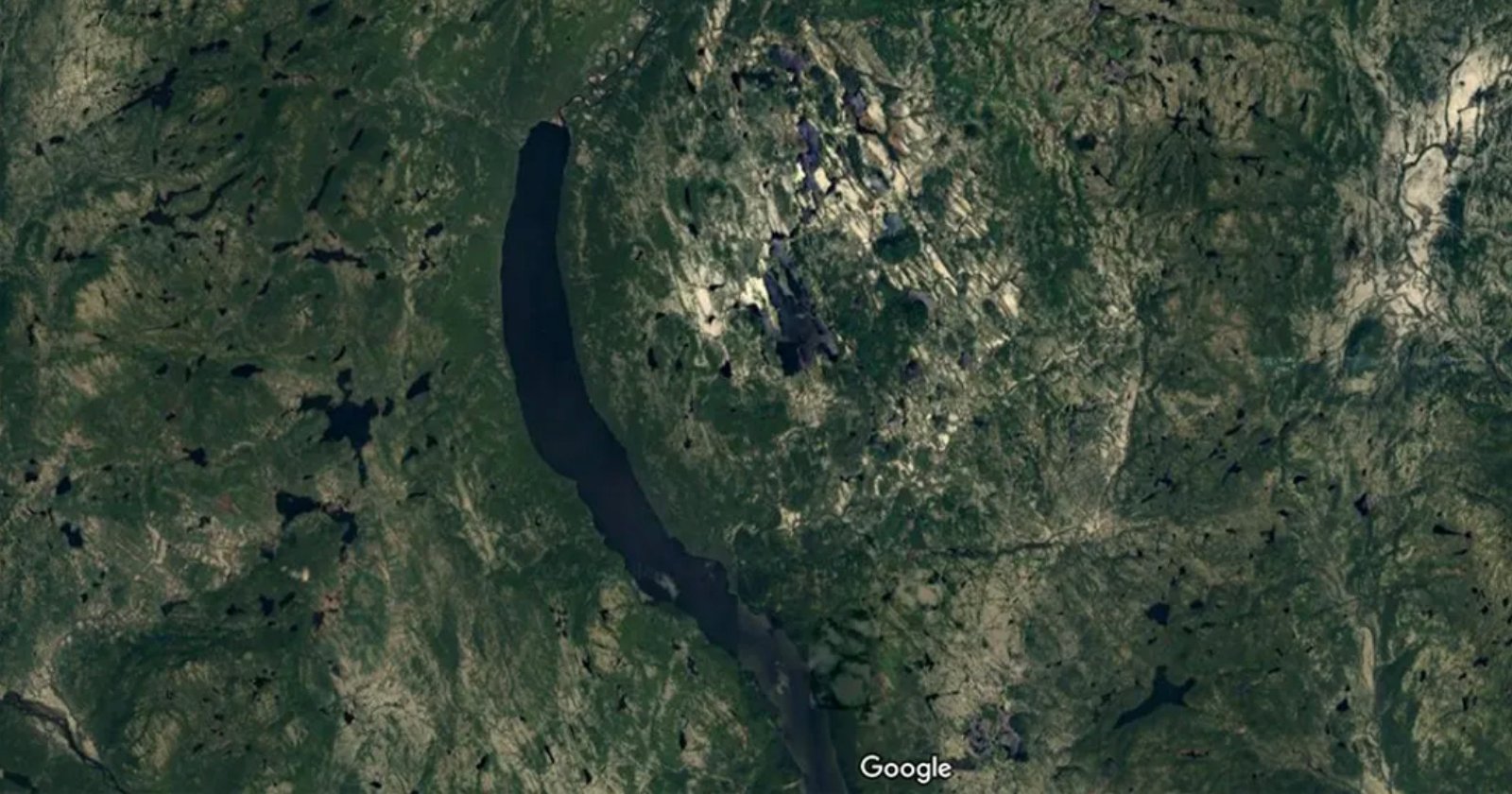
The serendipitous discovery of a potential ancient meteor crater in Quebec, unearthed by a camper meticulously planning a trip on Google Maps, speaks volumes about the evolving intersection of technology, exploration, and our understanding of Earth’s history. It’s a compelling narrative, not just for space enthusiasts, but for anyone who appreciates the unexpected ways we can connect with the past. Joël Lapointe's keen observation highlights the power of readily available digital tools to facilitate discovery – tools previously accessible only to dedicated geologists with specialized equipment and resources. This isn't the first time Google Earth and related mapping technologies have helped uncover hidden wonders; earlier this year, researchers utilized satellite imagery to locate a lost Roman fort in Libya, demonstrating the potential for these platforms to act as virtual archaeological assistants. Lost Roman Fort Discovered Using Satellite Imagery. The story resonates because it democratizes discovery, empowering individuals to contribute to scientific understanding in a way that was previously unimaginable. It’s a beautiful example of how everyday curiosity, fueled by accessible technology, can yield significant results.
The potential significance of this Quebec crater is substantial, irrespective of whether further investigation confirms its impact origin. Geological formations of this nature offer invaluable insights into Earth’s early history, including the frequency of meteorite impacts and their potential influence on the planet’s development, even potentially life itself. While the Earth's surface has been extensively shaped by geological processes over billions of years, impact craters are often eroded or obscured, making their identification a challenging endeavor. The Côte-Nord region of Quebec, known for its rugged terrain and relatively undisturbed landscapes, might hold further secrets. This discovery prompts a reconsideration of how we utilize existing datasets – satellite imagery, aerial photography, and even crowdsourced observations – to identify potential geological anomalies that have previously gone unnoticed. The process of analyzing these datasets, once the domain of specialists, is now increasingly accessible, potentially leading to a surge in citizen-led discoveries. Moreover, the story sparks a fascinating parallel with ongoing efforts to identify and characterize near-Earth objects, highlighting the constant threat—and potential scientific reward—of celestial impacts. A recent article explored the challenges and advancements in planetary defense, emphasizing the importance of early detection and characterization of potentially hazardous asteroids. Planetary Defense: Protecting Earth from Asteroid Impacts.
Beyond the immediate scientific implications, this narrative underscores a shift in our relationship with the natural world. We’re moving from a model of passive observation to one of active engagement, where technology allows us to explore, analyze, and potentially even contribute to the understanding of our planet in real-time. The story also possesses a certain poetic quality: a lone camper, seeking a peaceful escape in the wilderness, inadvertently stumbles upon a relic of a cosmic event that occurred millennia ago. It’s a reminder that adventure can be found not only in conquering physical challenges but also in uncovering the hidden stories etched into the landscape. The fact that this potential discovery arose from a leisure activity further emphasizes the accessibility of this new form of exploration. It’s not reliant on specialized training or expensive equipment; it requires only a curious mind and a willingness to look beyond the obvious. This aligns with a growing trend towards experiential learning and citizen science initiatives, where individuals actively participate in research projects, contributing valuable data and insights.
Ultimately, the unearthing of this potential meteor crater by a camper represents more than just a fascinating geological find; it's a testament to the evolving nature of exploration in the digital age. It compels us to consider: as increasingly detailed and accessible mapping data becomes available, how will our understanding of Earth’s history be reshaped by the collective observations of everyday individuals? And, crucially, what other hidden wonders remain undiscovered, patiently waiting to be revealed by a curious glance at a digital map? The possibilities are truly expansive, and the story of Joël Lapointe serves as a compelling invitation to look closer, explore further, and embrace the unexpected discoveries that lie just beneath the surface.
When Joël Lapointe was planning an epic camping trip through the Côte-Nord region of Quebec on Google Maps, an area gave him pause for thought: it looked like a giant meteor crater.
Read on the original site
Open the publisher's page for the full experience