Car Photography Company Sues Midjourney for Allegedly Copying Thousands of Its Photos
Our take
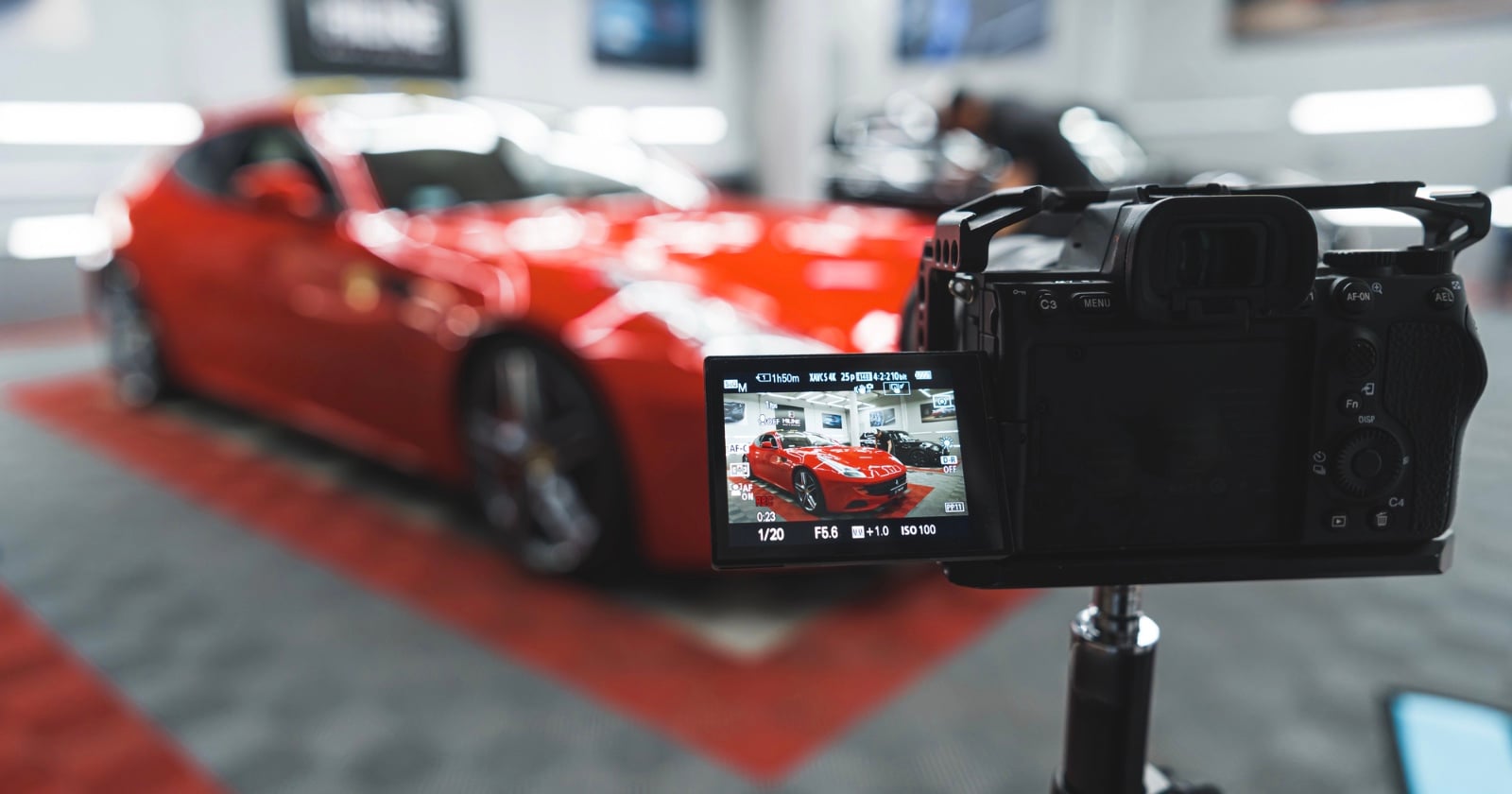
The legal battle unfolding between a car photography company and Midjourney is more than just a dispute over copyright; it’s a stark confrontation at the nascent frontier of AI-generated imagery and the very definition of artistic creation. The accusation – that Midjourney has ingested and replicated tens of thousands of copyrighted vehicle photographs – strikes at the heart of concerns surrounding AI training data and the potential for infringement. This case mirrors growing anxieties felt across creative industries, from wildlife photography, where capturing unique moments like the Wildlife Photographer Captures First-Ever Aerial Footage of Humpback Whale Giving Birth highlights the value of original, specialized imagery, to lens manufacturing, as seen in Canon’s efforts to develop fluorine-free coatings Canon Is Developing a Lens Coating Without PFAS-Laden Fluorine - both underscore the investment and artistry involved in producing original visual content. The core issue isn’t simply whether AI *can* replicate images; it's whether it *should* do so without proper licensing or compensation to the original creators.
The implications are significant for professional photographers, particularly those specializing in niche areas like automotive photography, where meticulous staging, lighting, and post-processing contribute to a distinct aesthetic. The ability of AI to seemingly reproduce that style, potentially undercutting the market for commissioned work, presents a genuine threat. While AI proponents argue that these models learn patterns and styles rather than directly copying images, the sheer volume of photographs allegedly used in Midjourney’s training raises serious questions about the degree of transformation required to avoid infringement. The legal precedent established by this case will likely shape the future of AI image generation, potentially leading to stricter regulations regarding data sourcing and usage. It's worth noting that even seemingly older technologies, like the Canon PowerShot G1, Is the Canon PowerShot G1 Still Worth Buying in 2026? demonstrate enduring value and artistic potential, highlighting the importance of protecting the intellectual property that underpins creative endeavors.
Beyond the legal ramifications, this case highlights a broader societal shift in how we value creativity and originality. The ease with which AI can generate seemingly ‘new’ images challenges our traditional notions of authorship and artistic expression. Is an AI-generated image truly original if it’s built upon the foundation of countless copyrighted works? This isn't about stifling technological advancement; it’s about ensuring that innovation doesn't come at the expense of the creators whose work fuels it. A curated and authentic approach to AI development, one that prioritizes ethical data sourcing and fair compensation for artists, is essential to fostering a sustainable and equitable creative ecosystem. The current landscape demands a careful examination of how AI can be integrated into creative workflows without devaluing the human skill and artistry that have always been at the heart of visual storytelling.
Ultimately, the outcome of this lawsuit will set a crucial precedent, influencing the development and deployment of AI image generators for years to come. The question isn't whether AI will continue to evolve and reshape the creative landscape—that's undeniable—but rather how we, as a society, will navigate this transformation to protect the rights and livelihoods of artists while embracing the potential of this powerful technology. One pressing question remains: will the legal system be able to effectively adapt to the rapidly evolving nature of AI, or will the law struggle to keep pace with the complexities of algorithmic creativity?
A car photography company has sued AI image generator Midjourney, accusing it of copying tens of thousands of its copyrighted vehicle photos without permission.
Read on the original site
Open the publisher's page for the full experience