Singapore’s Most-Googled Cameras Right Now
Our take
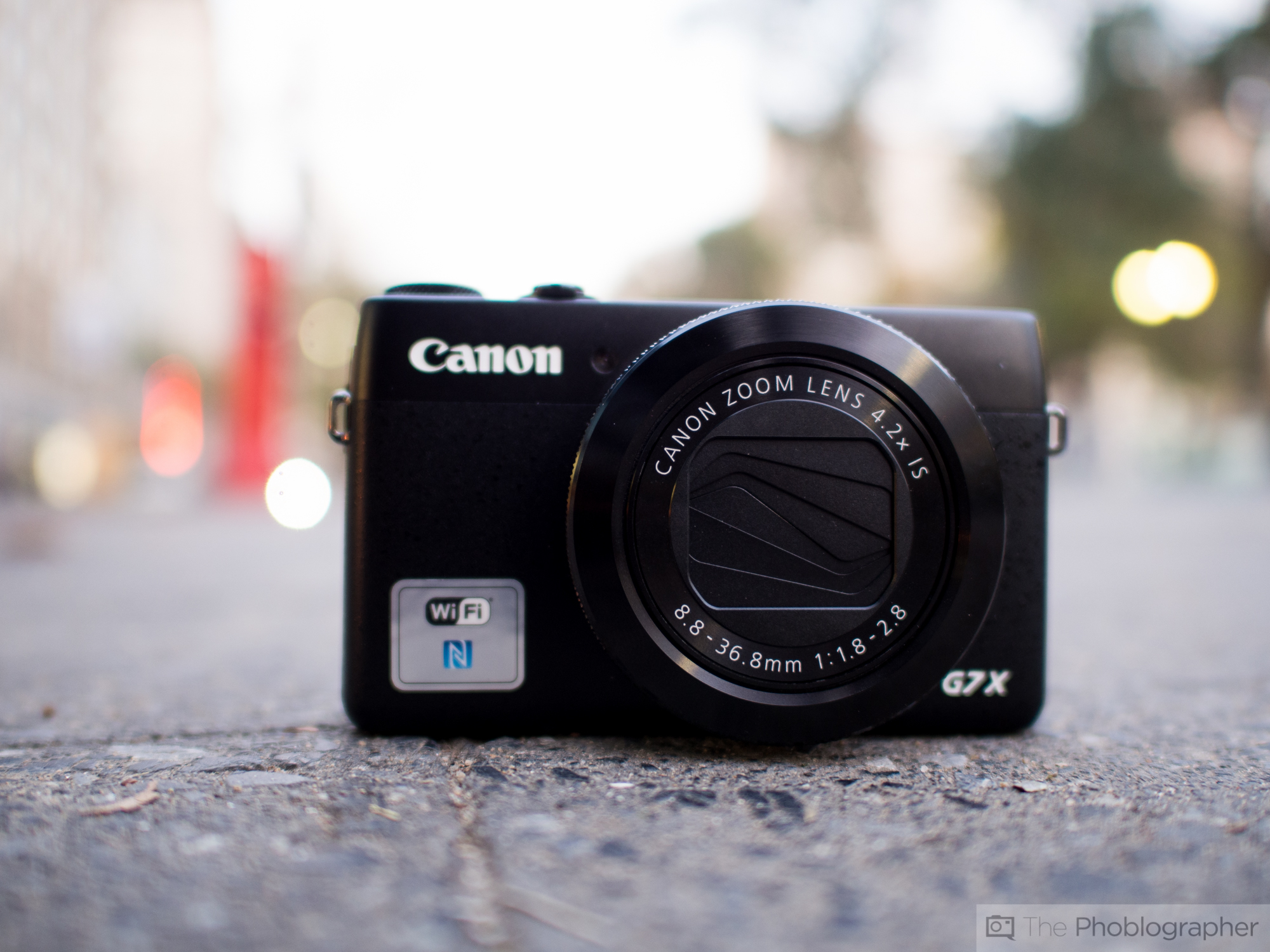
The resurgence of older digital cameras, as evidenced by Google Trends data in Singapore, speaks to a fascinating shift in consumer behavior and a broader re-evaluation of technology’s role in creative pursuits. It’s a trend we've been observing with interest, particularly as we celebrate opportunities like the Any Photographer Can Now Apply for 5 Boro Foto Fest, demonstrating a vibrant, accessible photography landscape. The renewed interest isn't simply nostalgia; it's a pragmatic response to the increasingly complex and often overwhelming world of modern photography, where software and constant updates can feel as significant a barrier as the camera itself. The appeal of a well-understood, reliable older model, often available at a more accessible price point, offers a refreshing simplicity, allowing photographers to focus on the craft rather than navigating a constantly evolving technological ecosystem. This echoes a larger trend across various industries – a yearning for tangible experiences and a rejection of the relentless pursuit of the “newest” at all costs.
The data highlighting these cameras’ popularity in Singapore is particularly interesting given the region’s vibrant artistic and design scene, and its adoption of innovative technologies. It suggests a discerning consumer base that values both aesthetics and functionality, and isn’t solely driven by marketing hype. Consider, too, the ingenuity showcased by photographers developing tools like the app to capture perfect solar eclipse photos This Photographer Built An App to Capture Perfect Solar Eclipse Photos – these individuals often possess a deep technical understanding and are comfortable working with existing tools rather than chasing the latest releases. However, this resurgence isn't without its caveats. Nikon’s recent struggles, as detailed in Nikon Cuts Camera and Lens Sales Projections Amid Slow Start to the Fiscal Year, serve as a reminder that even established brands face challenges adapting to evolving market dynamics. The demand for older cameras doesn't necessarily translate to overall industry growth, and manufacturers need to carefully consider how to cater to both the nostalgic and pragmatic segments of the market.
The implications for the photography industry are multifaceted. While the rise of smartphone photography has democratized image-making, the demand for dedicated cameras, even older models, underscores the continued importance of image quality, control, and the tactile experience of using a dedicated device. This isn't about replacing smartphones; it’s about offering an alternative for those who seek a more deliberate and fulfilling photographic process. The market for used and refurbished cameras is likely to continue to thrive, creating opportunities for both independent retailers and established brands to cater to this demand. Furthermore, it highlights the power of online communities and forums in sustaining the lifespan of older equipment, with enthusiasts sharing tips, modifications, and repair techniques, effectively breathing new life into these devices. The longevity of these cameras isn’t solely due to their inherent quality, but also to the passionate dedication of their user base.
Ultimately, the popularity of older digital cameras signals a broader cultural shift towards mindful consumption and a rejection of planned obsolescence. It’s a move away from the relentless pursuit of the latest gadget and towards a greater appreciation for well-made, durable, and reliable tools. The question now is whether this trend will inspire manufacturers to prioritize quality and longevity over constant innovation, or if they will continue to chase the fleeting allure of the "new." Will we see a resurgence of cameras designed not just for immediate consumption, but for lasting creative exploration?
Read on the original site
Open the publisher's page for the full experience