DJI Lands Partial Win in Legal Fight Over ‘Chinese Military Company’ Designation
Our take
The recent partial victory for DJI in its legal battle against the U.S. government regarding its designation as a Chinese Military Company marks a significant, albeit complex, moment for the drone industry and the broader landscape of technological trade restrictions. A U.S. Court of Appeals has reversed a lower court's ruling, sending the case back for further review, suggesting that the initial designation wasn't entirely airtight. This echoes a growing concern about the overreach of such designations, particularly when impacting companies that serve a wide range of civilian and commercial applications. The implications extend beyond DJI, impacting other tech firms potentially caught in the crosshairs of similar geopolitical considerations. The legal proceedings highlight a tension between national security concerns and the free flow of technology, a challenge increasingly relevant in today’s globalized world. It's a situation not entirely dissimilar to the concerns surrounding the alleged misuse of camera technology, as seen in the case of Man Accused of Hiding Insta360 Camera in Bag of Snacks to Steal Trade Secrets, which demonstrates how even seemingly innocuous devices can be implicated in sensitive situations. Similarly, the film industry, which often relies on specialized materials and processes, faces its own unique challenges, as evidenced by Kodak Verita 200: No Consumer Version of This Film Exists But I Shot It Anyway, demonstrating the intricacies of supply chains and access to specific technologies.
The core of the dispute revolves around the designation under the Export Control Reform Act, which allows the U.S. government to identify entities linked to the Chinese military and restrict their access to U.S. technology. DJI has consistently denied any ties to the People's Liberation Army, arguing that its drones are used globally for various civilian purposes, from photography and filmmaking to agriculture and infrastructure inspection. The initial ruling against DJI suggested a presumption of guilt, essentially linking the company to military activity based on its origin rather than concrete evidence of direct involvement. The Court of Appeals’ decision to remand the case signals a recognition that this presumption may be flawed, requiring a more rigorous examination of the evidence. While a full exoneration hasn't been achieved, this partial victory provides DJI with an opportunity to further challenge the designation and present a stronger case for its independence. The legal proceedings are not only about DJI’s future; they set a precedent for how the U.S. government approaches similar designations in the future, potentially impacting countless other companies operating in the technology sector.
The broader significance of this case lies in its reflection of the escalating technological trade war between the U.S. and China. It's not just about drones; it’s about access to advanced technologies, intellectual property, and the control of future innovation. The U.S. government’s increasing scrutiny of Chinese technology companies is driven by concerns about national security, data privacy, and unfair competition. However, these measures also risk stifling innovation and disrupting global supply chains. The DJI case exemplifies this delicate balancing act – protecting national interests while fostering a vibrant and competitive technology ecosystem. The tragic events surrounding Popular Memphis Photographer is Tragically Killed in High-Speed Police Chase serve as a stark reminder of the human cost of technology misuse, regardless of origin, highlighting the need for careful regulation and responsible use. The legal battles surrounding DJI are, in essence, a microcosm of these larger geopolitical tensions, with implications far beyond the drone industry.
Looking ahead, the outcome of this case will likely have a ripple effect across the technology sector. A definitive ruling in favor of DJI could encourage other companies facing similar designations to challenge the government's authority. Conversely, a reaffirmation of the designation, even with stricter evidentiary requirements, would signal a continued willingness by the U.S. to restrict access to technology based on national security concerns. The question remains: how will the courts balance the legitimate need to protect national security with the fundamental principles of due process and the free flow of innovation? And perhaps more importantly, how will this evolving legal landscape shape the future of global technology trade and the increasingly intertwined relationship between technology and national security?
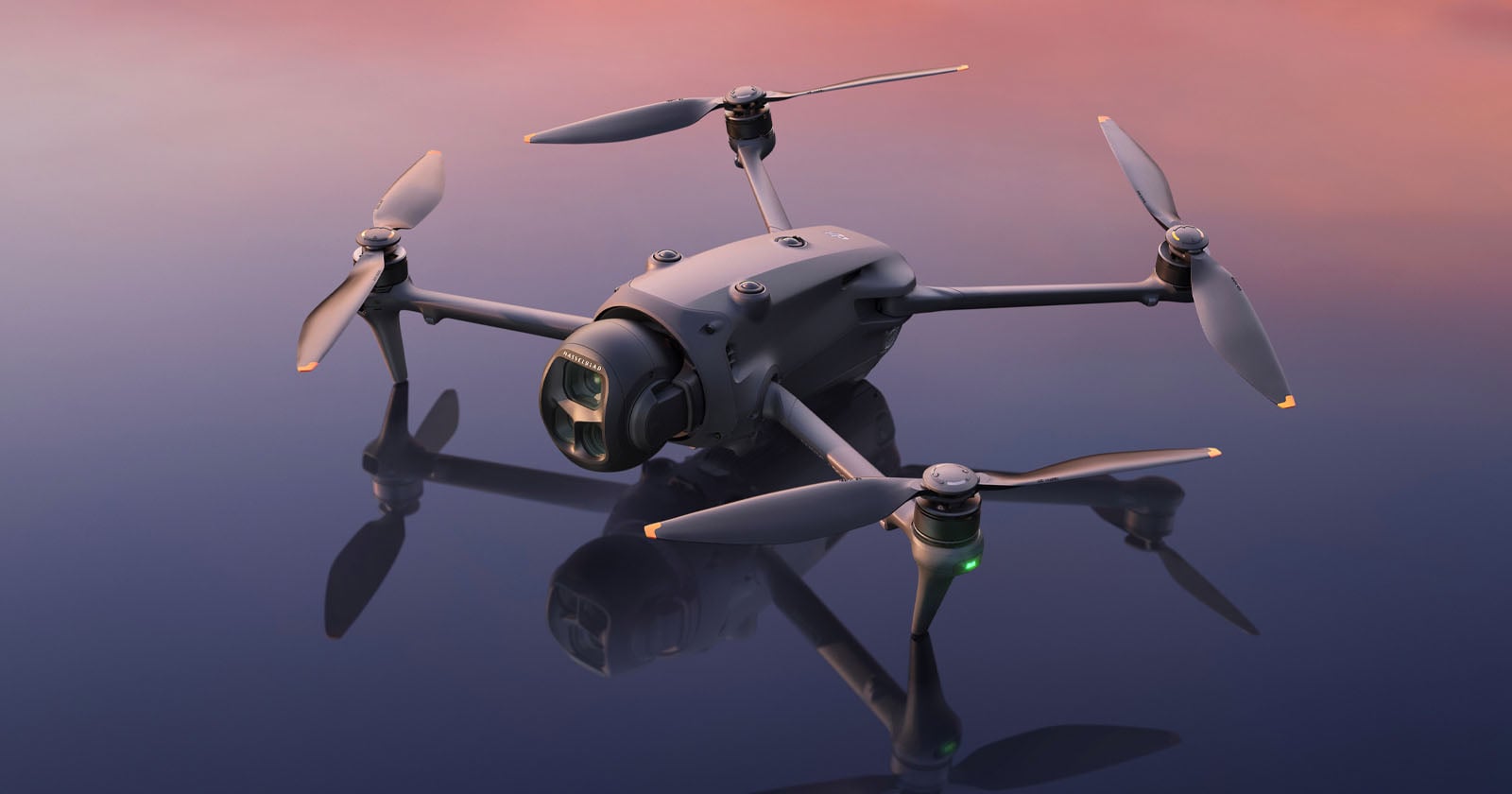
A U.S. Court of Appeals has partially reversed a lower court's ruling regarding DJI's label as a Chinese Military Company, sending it back to the lower court for further review.
Read on the original site
Open the publisher's page for the full experience