Compact Camera Sales Are Still Booming Amid Growing Photo Industry
Our take
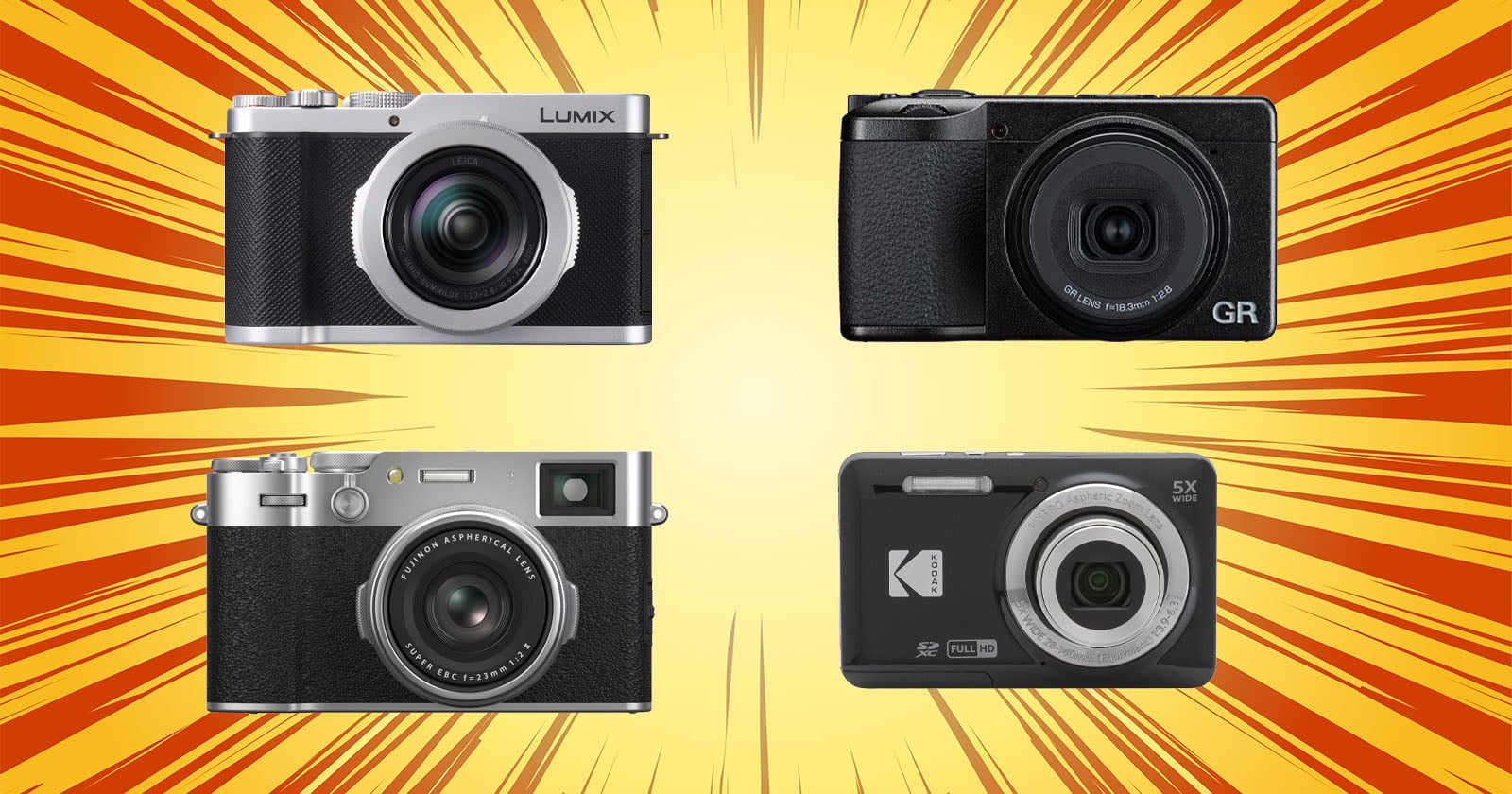
The recent CIPA data release, highlighting a continued surge in compact camera sales, offers a fascinating counterpoint to the prevailing narrative of smartphone dominance in the photography world. While the ubiquity of smartphone cameras has undoubtedly reshaped how we capture and share moments, the renewed interest in dedicated compact cameras suggests a deeper yearning for a more deliberate and refined photographic experience. This isn’t simply about nostalgia; it’s a reflection of a growing appreciation for image quality, tactile controls, and the unique aesthetic possibilities offered by a smaller, specialized device. The trend is further underscored by the fact that this boom is occurring amidst a broader, albeit more nuanced, recovery in the photo industry as a whole, as evidenced by increasing shipments of both cameras and lenses. We've seen similar discussions around the desire for more focused digital experiences, as exemplified by concerns around social media’s impact on young people [Canada Latest Country to Try to Ban Social Media Accounts for Children], and it seems photography is experiencing a parallel shift.
The appeal of compact cameras, particularly for those seeking a balance between portability and image quality, is undeniable. Unlike the relentless feature creep of smartphones, these cameras often prioritize optical performance and build quality. Furthermore, the recent advancements in compact camera technology, including improved sensors and sophisticated image processing, have narrowed the gap with larger, more expensive systems. This, coupled with a renewed interest in analog aesthetics and the desire to escape the digital overload of constant smartphone use, has created a fertile ground for the compact camera renaissance. The rise of accessible, high-quality camera tech also plays into a larger theme of democratizing creative tools, as witnessed in the innovative approaches to camera design and functionality, as seen in the DJI vs. Insta360 patent dispute [DJI Is Suing Insta360 for Violating Multiple Osmo Pocket Patents]. This isn't about replacing smartphones entirely; it's about providing an alternative for those who value photographic intention and tangible control.
The broader significance of this trend is that it challenges the assumption that smartphone cameras will inevitably eclipse all other forms of photography. It demonstrates that there is still a market for dedicated cameras, particularly those that cater to specific needs and preferences. This is especially relevant in a world saturated with images, where the desire for authenticity and a distinct visual identity is paramount. The rise of compact cameras can be seen as a reaction against the homogenized aesthetic of smartphone photography, offering a pathway to create images that are more personal and expressive. It also signals a potential shift in how we think about photography – a move away from capturing everything to a more curated and intentional approach. It's about moving beyond the immediacy of a snapshot and embracing the craft of photography, even in a pocket-sized format, and the implications of that extend to how we perceive and engage with visual media overall.
Looking ahead, it will be fascinating to observe how camera manufacturers respond to this resurgence in compact camera demand. Will we see a renewed focus on innovation and design in this segment, or will resources continue to be primarily directed towards full-frame and mirrorless systems? The enduring appeal of compact cameras also raises a fundamental question: as technology continues to evolve, will consumers increasingly prioritize specialized tools over the all-in-one convenience of smartphones, and what does that tell us about the future of creative expression and the value we place on deliberate creation? The continued sales figures certainly suggest that the answer isn't as straightforward as one might think, and that the beauty of a well-crafted, pocket-sized camera isn't going anywhere soon.
CIPA recently released its global digital camera and lens shipment data for April, presenting a ripe opportunity to gauge the health of the photo industry after one-third of the year has passed. There is a lot of interesting data to consider, including evidence that the compact camera surge is far from a flash in the pan.
Read on the original site
Open the publisher's page for the full experience