Dear Camera Manufacturers: Please Stop Taking Away Photo Features
Our take
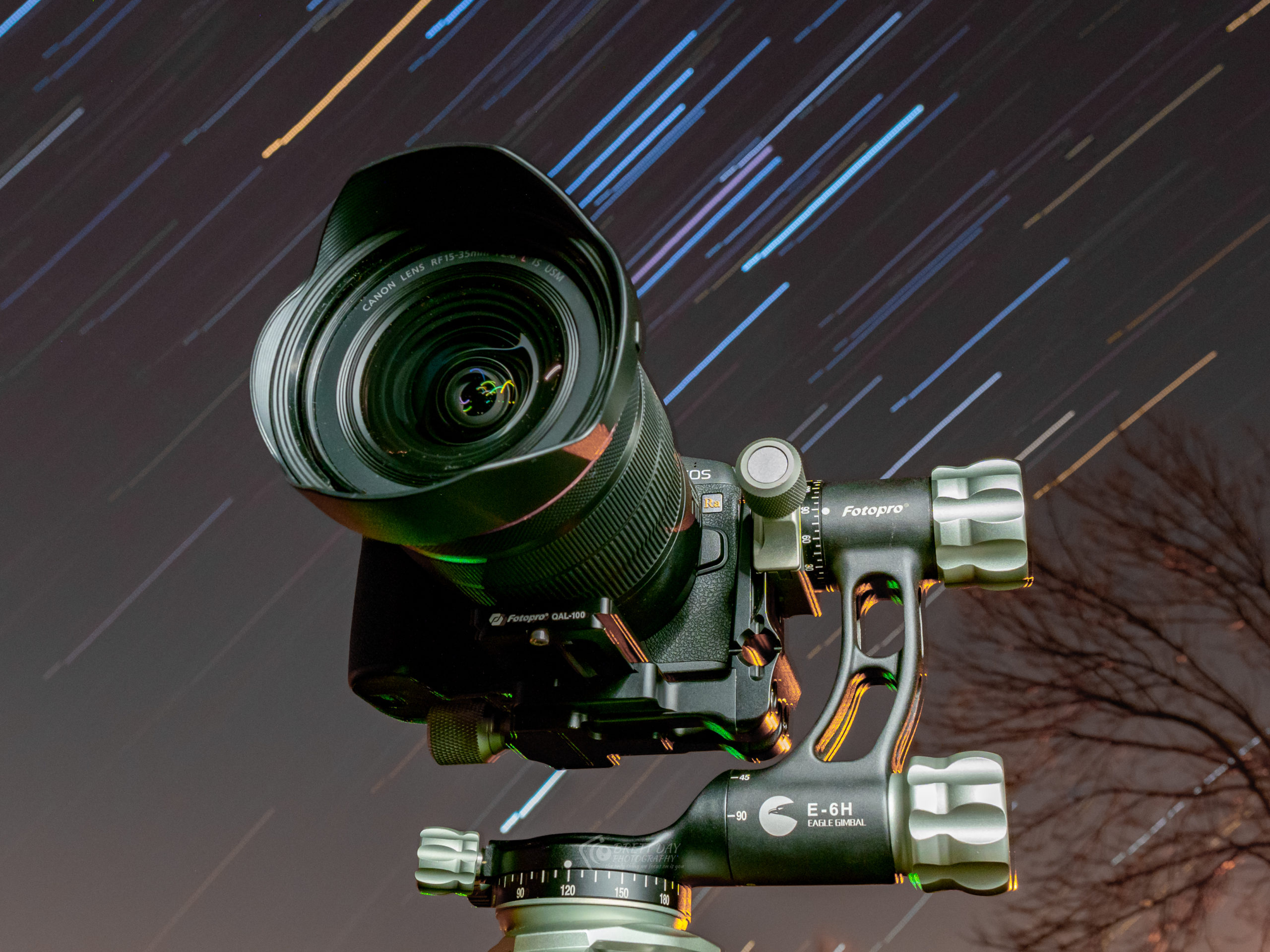
The recent outcry regarding the diminishing of dedicated photography features in modern mirrorless cameras resonates deeply with our audience—a community that values both the artistry and technical precision of still photography. It’s a sentiment echoed in pieces like Half a Year Ago, I Went Back to DSLRs. I Don’t Regret It, where a return to the established reliability of DSLRs speaks volumes about the current landscape. The push towards hybrid devices—cameras striving to excel in both photography and videography—while initially promising, has demonstrably shifted priorities, often at the expense of the features that made these cameras indispensable tools for serious photographers. This isn't simply about nostalgia; it’s about the erosion of specialized functionality in favor of a 'jack-of-all-trades' approach that ultimately diminishes the quality of the final product in one domain or another. The author’s frustration, urging content creators to utilize dedicated video equipment, is a pointed critique of a market trend that prioritizes breadth over depth.
The core issue highlights a fundamental misunderstanding of the intended purpose of these devices – a point further illustrated by the breathtaking imagery captured by the James Webb Space Telescope, showcased in The 25 Best James Webb Space Telescope Photos. Such remarkable results wouldn’t be possible without cameras optimized for capturing intricate detail and nuanced color – a capability increasingly compromised by the video-centric design choices prevalent today. The pursuit of universal appeal has inadvertently created a situation where photographers are forced to adapt to a camera’s limitations rather than the camera adapting to their needs. This isn’t to say video capabilities are unimportant; quite the contrary. However, they shouldn’t come at the cost of foundational photographic features like robust autofocus systems, customizable controls, and a responsiveness tailored to the specific demands of still photography. The conversation around intention, as explored in How Intention Changes Your Photography, underscores this point – when a photographer’s vision is hampered by the limitations of their equipment, the creative process itself is stifled.
This trend reflects a broader shift within the technology sector, where the pursuit of convergence often leads to compromises. The desire to cater to a wider audience, fueled by the rise of content creation on platforms like YouTube and TikTok, has incentivized manufacturers to prioritize video features. While this has undoubtedly benefited the video community, the photographic community feels increasingly marginalized. The loss of features like dedicated exposure compensation dials, improved low-light performance in stills, and customizable menu systems demonstrates a clear prioritization of video-centric functionalities. This isn’t about resisting progress; it’s about advocating for a balanced approach that acknowledges the distinct needs of both photography and videography. It’s about ensuring that cameras designed for photographers remain, fundamentally, tools tailored to the art of capturing still images. The curated experience a photographer seeks—the intuitive control, the immediate responsiveness—is being sacrificed at the altar of hybrid functionality.
Looking ahead, the question remains: will camera manufacturers heed the growing chorus of concern from the photographic community? Or will the pursuit of the “perfect hybrid” continue to erode the features that define the artistry of still photography? The recent Sony a7r VI launch, with its own set of compromises and enhancements, offers a glimpse into this ongoing evolution. Perhaps the future lies in a more segmented market, with dedicated still photography cameras and dedicated video cameras, each optimized for its respective purpose. Ultimately, the health of the photographic ecosystem depends on manufacturers recognizing and respecting the unique needs of the photographers who rely on their tools to create.
Read on the original site
Open the publisher's page for the full experience