Director Danny Boyle Says He Used AI to Animate Photos in Latest Film ‘Ink’
Our take
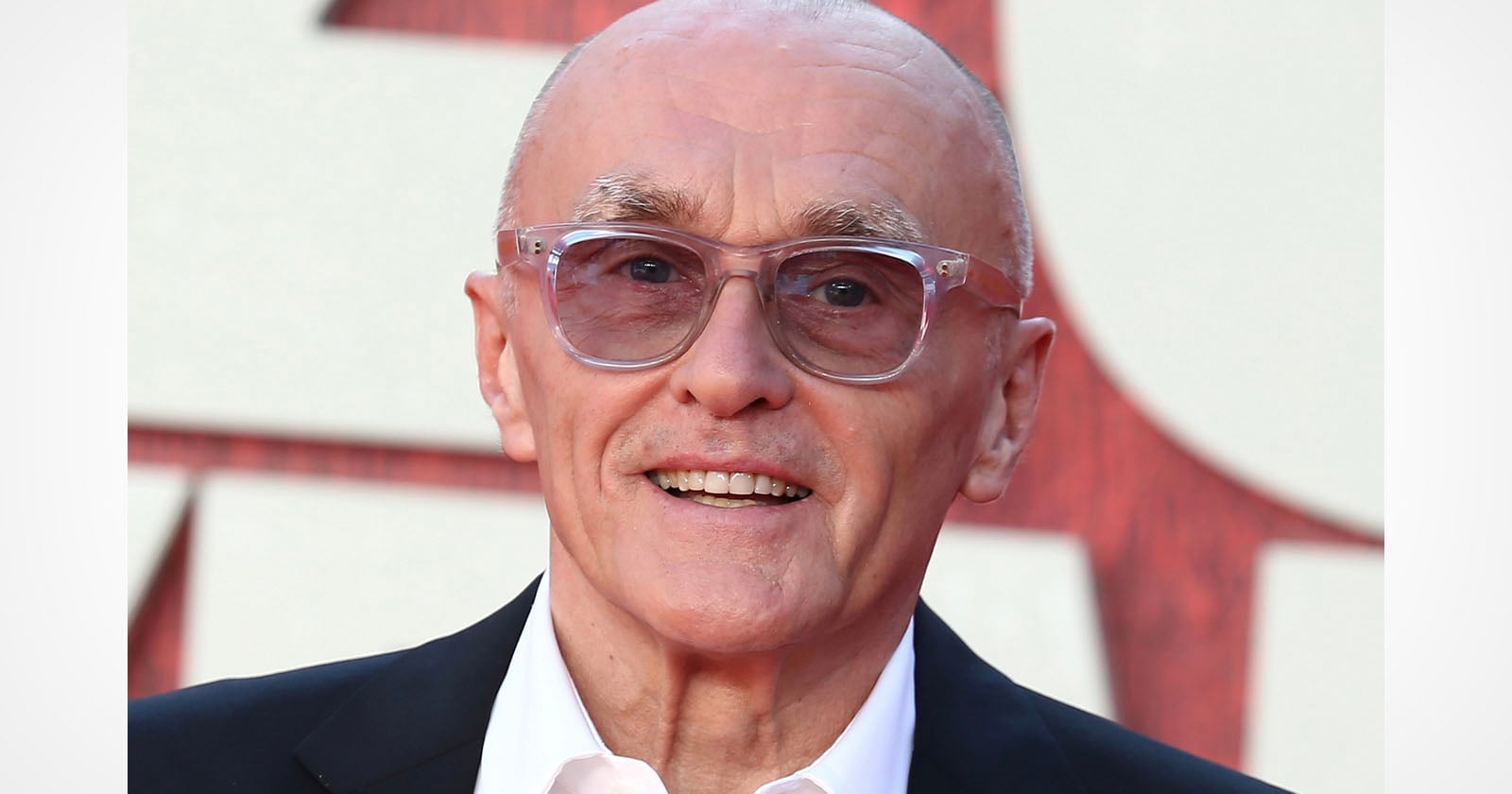
Danny Boyle’s recent admission of utilizing generative AI to animate photographs in his film *Ink* marks a significant, and arguably inevitable, moment in the intersection of art and technology. While the use of digital tools in filmmaking is hardly new, the explicit acknowledgement of AI’s role in a project of Boyle’s caliber – a director known for his visually arresting and innovative style – elevates the discussion beyond niche tech circles and squarely into the realm of artistic practice. This move follows a broader trend of AI integration across creative fields, as evidenced by explorations like those found in "I Turned Jordan Drake Into a Knight Using ChatGPT’s New Image Model," demonstrating the rapidly evolving capabilities of image generation models. Furthermore, the increasing pervasiveness of technology in our daily lives, including the potential implications of constant listening as explored in "Your Apple Watch Is Always Listening, Will Anyone Ever Be Honest Again?," suggests a growing societal acceptance, and perhaps even expectation, of AI’s presence. Boyle’s decision isn't merely a technical experiment; it’s a statement about the evolving creative landscape.
The implications of this development are multifaceted. Traditionally, animation and visual effects have been painstakingly crafted by teams of artists, a process demanding immense skill and time. AI offers the potential to streamline certain aspects of this process, allowing filmmakers to achieve effects previously unattainable or prohibitively expensive. However, the ethical and artistic considerations are equally substantial. Questions arise regarding authorship, originality, and the potential displacement of human artists. Boyle’s choice to openly discuss his use of AI signals a willingness to engage with these complexities, a welcome departure from the often-guarded nature of technological adoption within the film industry. It invites a broader conversation about how AI can be integrated responsibly and ethically, serving as a tool to augment, rather than replace, human creativity. The curated nature of Boyle's artistic vision—the intentional selection and manipulation of images—becomes even more critical when AI is involved, demanding a heightened level of directorial control and artistic discernment.
Beyond the immediate impact on filmmaking, Boyle’s experiment speaks to a larger shift in how we perceive and interact with visual media. The blurring lines between reality and simulation, already evident in the rise of deepfakes and synthetic imagery, are further complicated by the increasing sophistication of generative AI. Audiences are becoming more discerning, more aware of the potential for manipulation and fabrication. This necessitates a greater emphasis on transparency and authenticity in storytelling. Boyle's willingness to be upfront about his methods could be seen as a step in that direction, fostering a more honest dialogue between creators and audiences. The integration of AI doesn’t diminish the artistry; rather, it alters the definition of artistry itself, demanding a new set of skills and considerations from filmmakers and artists alike. It’s a move towards a future where the director's role might encompass not just guiding human actors, but also shaping and directing the output of artificial intelligence.
Ultimately, Boyle’s foray into AI-assisted filmmaking isn’t a harbinger of the end of human artistry, but a catalyst for its evolution. The discussion surrounding his decision highlights the need for a nuanced understanding of AI’s potential and limitations within the creative process. As technology continues to advance at an exponential pace, as demonstrated by the evolving capabilities showcased in "Who’s Ready for the Dual Screen Era?," the question isn’t whether AI will be integrated into art, but rather how we can harness its power to enhance, rather than diminish, the human experience. What new forms of storytelling will emerge as artists increasingly collaborate with intelligent machines, and will audiences ultimately be able to distinguish between a human-crafted vision and one shaped by algorithms?
The director Danny Boyle has taken the unusual step of admitting that he used generative AI on his latest movie, Ink.
Read on the original site
Open the publisher's page for the full experience