Disneyland Sued Over Use of Facial Recognition Tech at Park Entrances
Our take
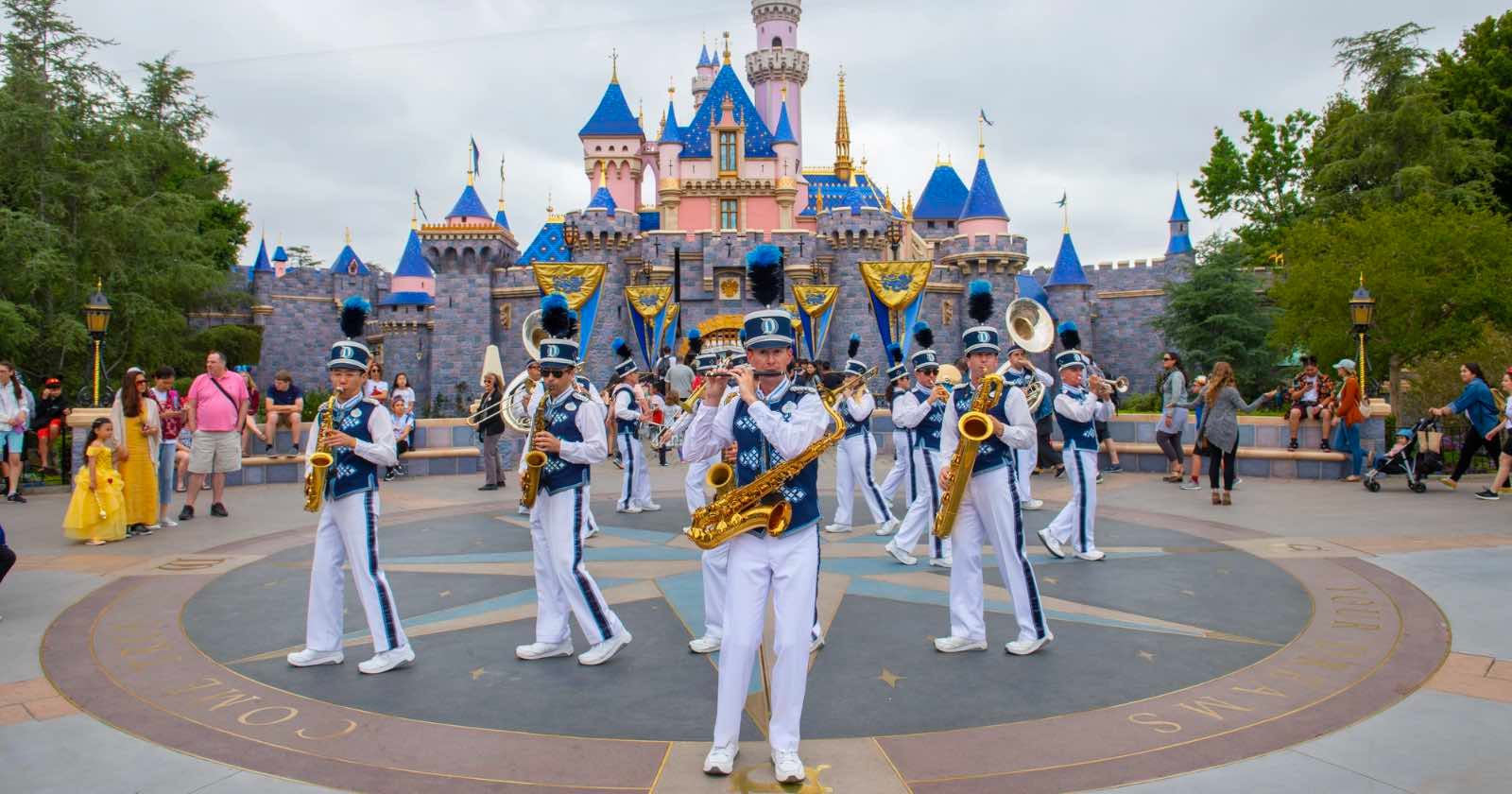
In a significant legal development, Disneyland is facing a class action lawsuit over its alleged use of facial recognition technology at park entrances without adequately informing guests. This situation raises essential questions about privacy, consent, and the ethical implications of technology in spaces designed for enjoyment and escapism. As technology increasingly intertwines with our daily experiences, especially in places like Disneyland, where joy and wonder are paramount, the stakes grow higher. The lawsuit highlights a critical moment in our relationship with technology, especially in environments that thrive on trust and transparency. This issue mirrors ongoing conversations in the tech and creative industries, where the balance between innovation and ethical considerations is constantly being negotiated. For example, ‘AI Could Have Made It,’ Blogger Claims After Photographer Sues illustrates the tensions surrounding intellectual property in the age of digital media, a theme that resonates with the current Disneyland controversy.
The implications of this lawsuit extend far beyond Disneyland itself. As consumers become increasingly aware of how their data is collected and used, businesses across various sectors, including fashion and luxury, must navigate these waters carefully. Disneyland, a beacon of family-friendly entertainment, now faces scrutiny that could tarnish its carefully crafted image. Guests expect a sanctuary from the complexities of modern life; the introduction of facial recognition technology without their informed consent disrupts that illusion. The potential for misuse of such technologies, whether for surveillance or data mining, raises ethical concerns that could alienate loyal visitors who cherish the park's magical atmosphere.
Moreover, this situation invites a broader discussion about the role of technology in our lives. As we see advancements in AI and data analytics, the question remains: how can businesses adopt these technologies responsibly while maintaining a commitment to transparency and respect for individual privacy? The recent release of firmware updates, such as New Firmware Gives Sony a7 V a Major Filmmaking Upgrade, reflects a trend in the creative sector towards enhancing user experience while grappling with ethical considerations. Brands must consider how their innovations impact consumer trust and engagement, especially when personal data is at stake.
As this lawsuit unfolds, it will be crucial to observe how Disneyland responds and whether it takes steps toward greater transparency and ethical technology use. Will they reinforce their commitment to creating a safe and joyous environment, or will they risk further erosion of trust among their audience? The outcome of this legal battle may set important precedents for the integration of technology in public spaces, influencing how brands across industries engage with their audiences. As we look to the future, one question looms large: how will the balance between technological advancement and consumer privacy continue to evolve in an increasingly interconnected world? The answers could shape not only the theme park experience but also the broader landscape of consumer engagement across all sectors.
Disney is facing a class action lawsuit over the alleged use of facial recognition technology at its park entrances in California without proper disclosure to guests.
Read on the original site
Open the publisher's page for the full experience