DJI Is Suing Insta360 for Violating Multiple Osmo Pocket Patents
Our take
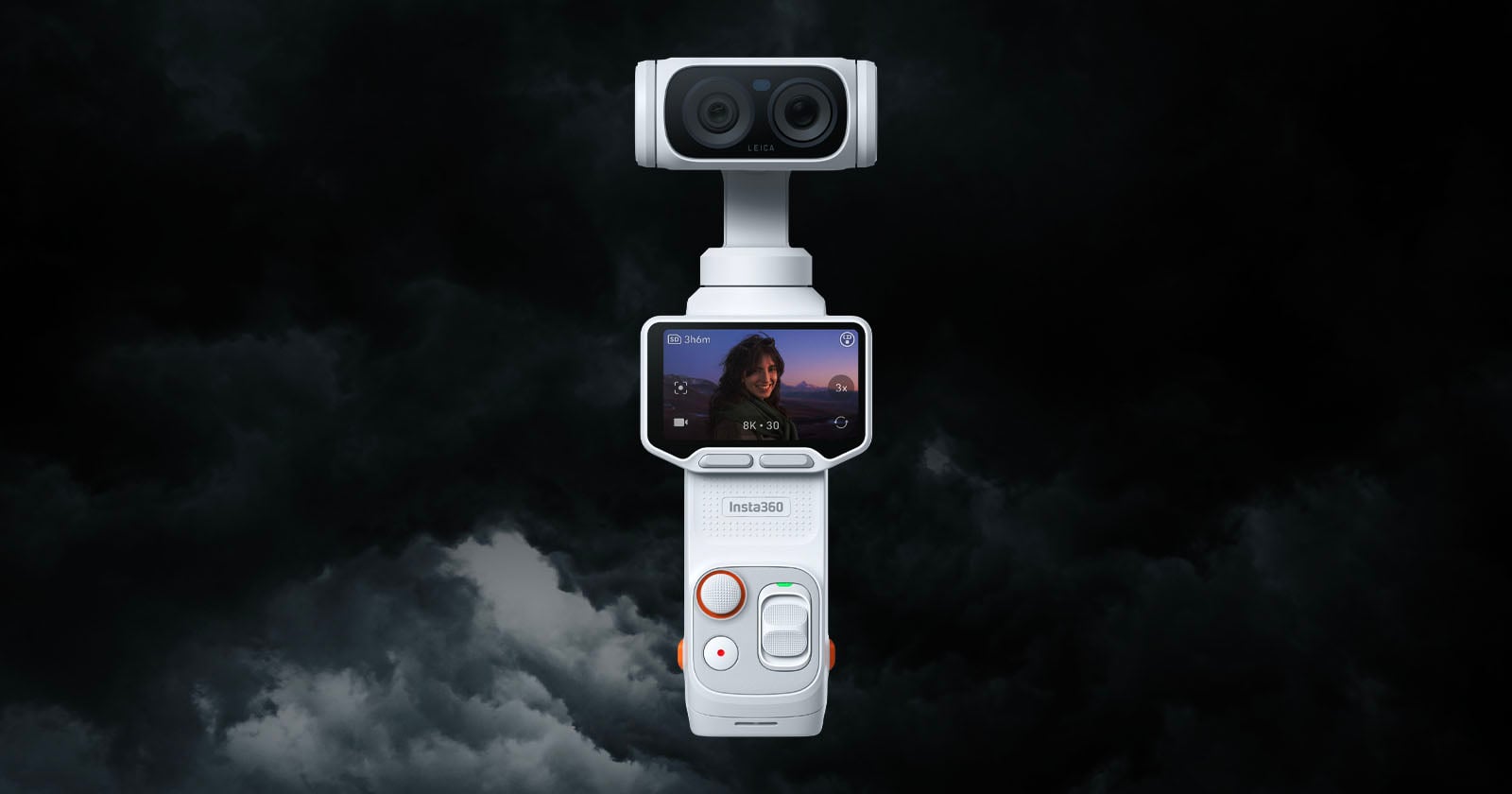
The escalating legal battle between DJI and Insta360, with DJI filing two patent infringement suits against Insta360 over its new Luna gimbal, signals a deepening struggle for dominance in the increasingly competitive action camera and stabilization market. This isn’t simply a dispute between companies; it reflects a wider trend of intellectual property battles within the tech sector, particularly as innovation accelerates and the lines between products blur. The suits, alleging violations of both design and utility patents related to the Osmo Pocket, highlight DJI’s aggressive stance in protecting its established market share. It follows a pattern seen across various industries where established leaders leverage patents to safeguard their innovations and potentially hinder emerging competitors. The recent discussion surrounding accountability for tech CEOs and the implementation of CSAM safeguards, as detailed in [UK Threatens to Jail Tech CEOs If They Don’t Add CSAM Safeguards], demonstrates the broader regulatory and legal landscape these companies are navigating, adding another layer of complexity to these intellectual property disputes. Moreover, the growing sentiment among photographers, reflected in [Photographers Are Tired of Big Cameras], suggests a consumer desire for more compact and versatile equipment, making the gimbal market—and the competition within it—even more crucial.
The Luna gimbal’s arrival was widely lauded for its impressive features, particularly its larger sensor and enhanced low-light performance, directly challenging the Osmo Pocket’s established position. DJI’s response, then, can be interpreted as a deliberate attempt to stifle this competition before it gains significant traction. The dual lawsuit strategy, targeting both design and utility patents, suggests a thorough legal preparation and a determination to comprehensively protect DJI's intellectual property. While patent litigation is a common occurrence, the intensity of this dispute – and the fact that it involves two major players in a relatively niche but rapidly growing market – is noteworthy. It’s a reminder that even seemingly innovative products can be caught in the crosshairs of existing patent portfolios, forcing companies to navigate complex legal landscapes. This is especially relevant given the rise of collaborative designs, and the playful aesthetic demonstrated by recent products like [This Hello Kitty Camera Collab is Ready for Action], highlighting the diverse approaches to market engagement.
The implications for consumers are multifaceted. While legal battles rarely directly impact product availability in the short term, they can create uncertainty and potentially slow down the pace of innovation. Companies may become more cautious about introducing new features or designs that could infringe on existing patents, leading to a period of relative stagnation. Furthermore, the cost of defending against patent lawsuits can be substantial, potentially impacting pricing and future product development. It also raises questions about the openness and accessibility of the market for smaller players. Can smaller companies truly compete in a space where established giants are so aggressively protecting their intellectual property? The resolution of these lawsuits will undoubtedly set a precedent for future competition in the action camera and gimbal market and could influence the broader landscape of innovation in related fields.
Ultimately, this legal clash underscores the delicate balance between protecting intellectual property and fostering a competitive ecosystem. As the demand for compact, high-quality stabilization solutions continues to grow, the outcome of this dispute will have a significant impact on the future of the action camera and gimbal market. Will this case encourage a more cautious approach to innovation or will it spur companies to explore alternative design strategies to circumvent existing patents? The industry – and consumers – will be watching closely to see how this legal saga unfolds and what its long-term consequences will be.
DJI has filed two patent lawsuits against Arashi Vision Inc., which does business as Insta360, regarding its new Luna gimbal camera. One lawsuit alleges two violations of design patents while the other alleges four utility patent violations.
Read on the original site
Open the publisher's page for the full experience
Related Articles
- DJI Sues Insta360 Over Alleged Drone and Image Processing Patent ViolationsDJI has filed a lawsuit against fellow Chinese tech giant Insta360, alleging patent infringement. DJI claims Insta360, through its parent company Arashi Vision, violated six patents related to drone flight control, image processing, and hardware design. [Read More]
- Insta360 Intends to Prove the Luna Is Original, Not Based on DJI’s PatentsThis morning, DJI filed two lawsuits in the U.S. District Court for the Eastern District of Texas against Insta360, asserting it violated both design and utility patents. Insta360 is preparing its defense. [Read More]