Dog Photographer Loses Copyright Case Over AI-Generated Comic Version of Her Image
Our take
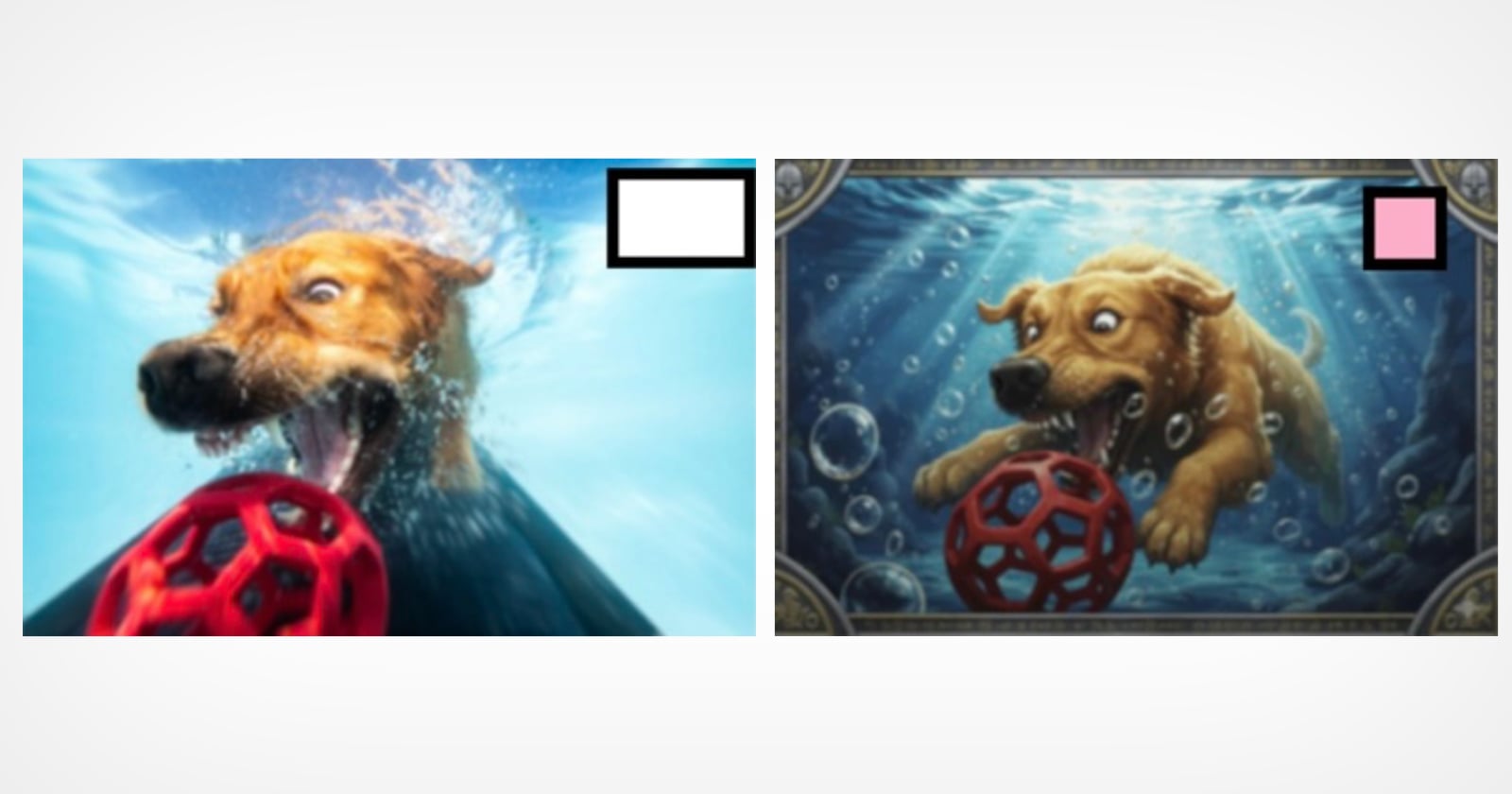
## Our Take: The Murky Waters of AI, Copyright, and Creative Ownership
The recent court ruling in the case of the underwater dog photographer, who lost her copyright claim against an AI-generated comic version of her image, underscores a rapidly evolving and increasingly complex legal landscape. While the specifics of the case – the court’s determination that the AI-generated image didn't constitute infringement – are significant, the broader implications resonate deeply within creative industries. This isn’t simply about one photographer’s image; it’s about the potential erosion of copyright protections for artists across disciplines as AI tools become more sophisticated and accessible. The ease with which AI can now interpret, remix, and repurpose existing images raises fundamental questions about originality, authorship, and the value of human creative labor. We’ve seen similar debates unfold in the music space, with AI-generated compositions challenging traditional notions of musical ownership—AI Music Copyright. This case, however, brings the issue squarely into the visual arts, a realm where the aesthetic and emotional connection to the creator is often paramount.
The core of the issue lies in the current legal framework's struggle to adapt to AI’s unique capabilities. Copyright law traditionally protects original works of authorship, but the concept of “originality” becomes blurred when an AI system is trained on vast datasets of existing images. The court’s decision suggests that a derivative work created by AI, even if heavily influenced by an original photograph, may not automatically constitute infringement if the resulting output demonstrates sufficient transformative character. This is a delicate balance. The photographer’s work, celebrated for its artistry in capturing dynamic underwater moments, was essentially reduced to a training dataset element, and the resulting comic version, while undeniably drawing from her aesthetic, was deemed sufficiently different to avoid copyright violation. This outcome could embolden further AI development and use, but it also highlights the urgent need for clearer legal guidelines. The increasing prevalence of AI image generators necessitates a re-evaluation of copyright protections for visual artists—AI Image Generators.
Beyond the legal technicalities, this case sparks a vital conversation about the ethical responsibilities of AI developers and users. While AI tools offer incredible potential for creative exploration and innovation, they also present a risk of devaluing human artistry. The ease of generating "derivative" works risks flooding the market with AI-generated content, potentially diminishing the discoverability and economic viability for artists who rely on their original creations. Furthermore, the lack of transparency concerning the datasets used to train these AI models raises concerns about the potential for unintentional copyright infringement and the perpetuation of biases. It’s crucial that we move beyond simply addressing the legal ramifications and consider the broader societal impact of AI on creative industries. Are we creating a future where human creativity is overshadowed by algorithmic mimicry?
The future of copyright in the age of AI remains uncertain, but this ruling serves as a clear signal that the status quo is unsustainable. The courts, legislatures, and creative communities must collaborate to develop a framework that protects the rights of artists while also fostering innovation and responsible AI development. The question isn’t whether AI will continue to impact creative work – that’s already a reality – but how we can ensure a future where human creativity remains valued, protected, and continues to flourish alongside these powerful new technologies. We should be closely watching how this case influences future legal interpretations of AI-generated content and whether it prompts a broader re-evaluation of copyright laws in the digital age—Copyright Law and AI.
A photographer, specializing in underwater dog portraits, has lost a copyright case over an AI-generated comic-style image, created from one of her photo -- with a court ruling it did not infringe her work.
Read on the original site
Open the publisher's page for the full experience