Drone Photographer Accidentally Captures Devastating Nepal Mudslide
Our take

The recent, accidental capture of a devastating Nepal mudslide by a drone photographer serves as a stark and unsettling reminder of the increasing fragility of our planet and the evolving role of technology in witnessing—and potentially understanding—natural disasters. While the photographer’s intention was purely artistic, the resulting footage offers an unprecedented, visceral perspective on the immediate aftermath of a glacial lake outburst flood (GLOF), a phenomenon increasingly linked to climate change. It’s a sobering contrast to the celebratory narratives often surrounding drone photography, highlighting the ethical complexities inherent in documenting such events. This incident echoes the themes explored in [Award-Winning Documentary Celebrates Pioneering Black Photographers], which reminds us of the responsibility that comes with visual storytelling, particularly when depicting sensitive subjects. The ability to capture such moments, while powerful, demands a thoughtful consideration of the impact on affected communities and the potential for exploitation.
The technological advancements enabling this capture are undeniable. Drone technology, once a niche hobbyist pursuit, has rapidly matured into a versatile tool for various industries, including photography, surveying, and now, disaster response. However, the incident also underscores the limitations of relying solely on technology for understanding complex environmental processes. While the drone provides a visual record, it doesn’t offer a comprehensive explanation of the underlying causes or the long-term consequences. Indeed, the sheer volume of data generated by these devices can be overwhelming, requiring sophisticated analytical tools and expertise to interpret effectively. Considering the continued relevance of classic equipment, a piece like [Is the Nikon F2 Still Worth Buying in 2026?] reminds us that while technology evolves at a rapid pace, the fundamentals of observation and documentation remain constant. The ability to capture a moment, regardless of the tool used, carries inherent significance.
Beyond the immediate human tragedy, this event has broader implications for the future of photography and environmental monitoring. The ease with which drone footage can be disseminated globally amplifies the urgency of climate change concerns, offering irrefutable visual evidence of its impact. However, it also raises questions about the responsible use of this imagery. How do we balance the need for public awareness with the respect for the privacy and dignity of those affected? The increasing prevalence of drone photography in sensitive environments demands the development of clear ethical guidelines and protocols, ensuring that technology serves as a force for good rather than a source of further trauma. The rise of specialized equipment for specific purposes, as exemplified by [The 3 Best Full-Frame Cameras for Wedding Photography in 2026], demonstrates a growing trend towards tailored tools, and a similar approach may be needed to address the unique challenges posed by disaster documentation.
Ultimately, the Nepal mudslide incident serves as a poignant reminder of the interconnectedness of technology, environment, and human experience. It compels us to consider not only what we *can* capture with our increasingly sophisticated tools but also *how* we capture it, and what responsibilities accompany the power of visual documentation. As climate change continues to reshape our world, and drone technology becomes even more accessible, a crucial question emerges: will we harness these tools to foster greater understanding, empathy, and ultimately, a more sustainable future, or will we allow them to become instruments of voyeurism and exploitation?
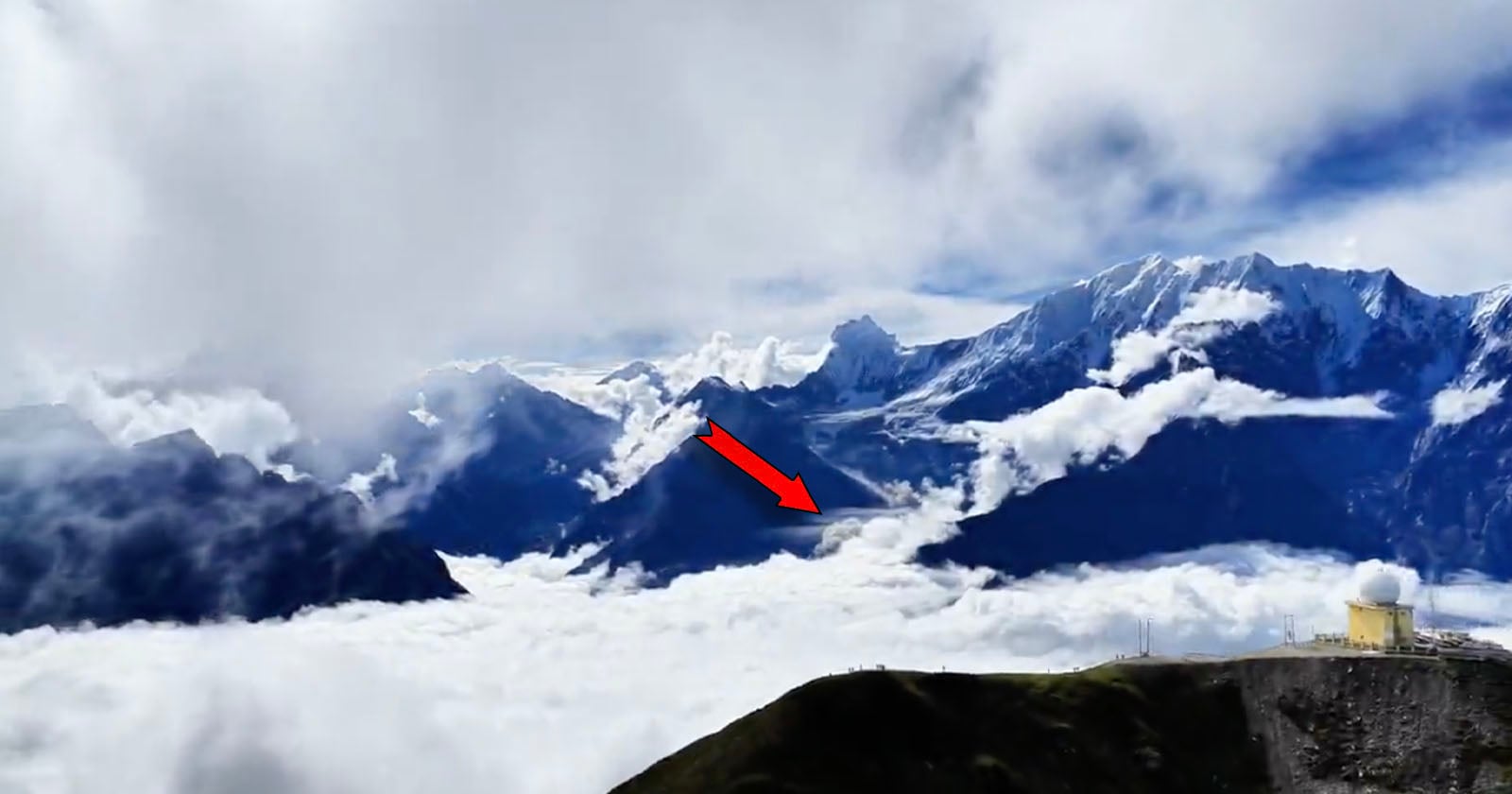
A drone photographer in Nepal unwittingly captured the horrific mudslide caused by a glacial collapse high in the Himalayas.
Read on the original site
Open the publisher's page for the full experience