Everyone’s Favorite DJI Clone Just Stopped Selling its Osmo Pocket 4P Lookalike
Our take
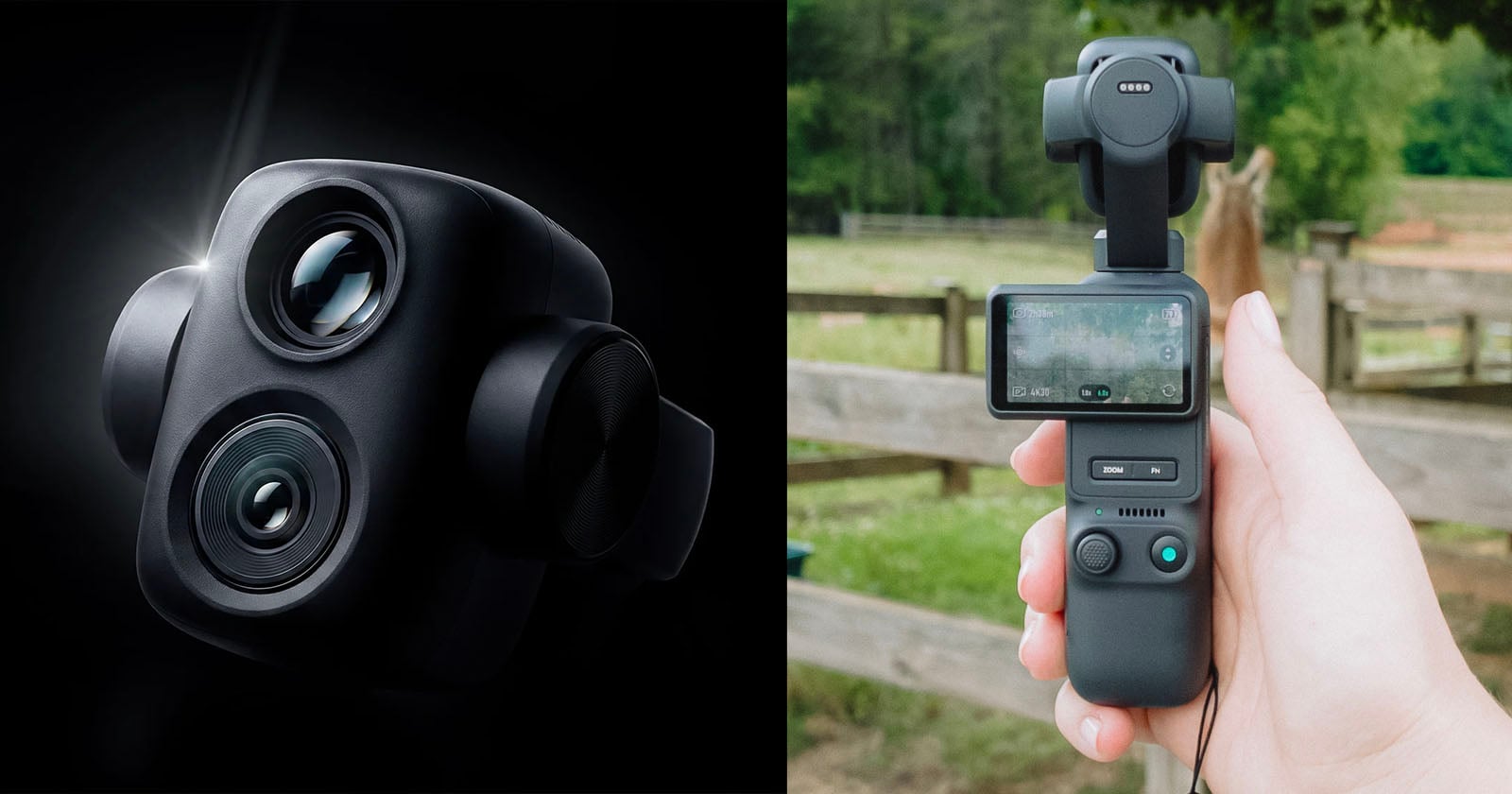
The sudden disappearance of the Xtra Muse 2 Pro from the market, a device widely recognized as a compelling alternative to DJI’s Osmo Pocket 4, sends a clear signal about the intensifying scrutiny of intellectual property within the consumer electronics space. Just days after the Federal Communications Commission (FCC) began investigating Xtra and similar companies for potential violations, the abrupt halt to sales, preorder cancellations, and refund initiation speaks volumes. This isn't a minor correction; it's a strategic retreat under pressure, suggesting Xtra encountered legal challenges far more substantial than initially anticipated. This situation echoes broader trends in the photography and videography world, where innovation often walks a fine line with imitation, and the consequences of crossing that line can be swift and decisive. The landscape of accessible, high-quality imaging tools continues to evolve, as demonstrated by the recent announcement of [Viltrox’s First Micro Four Thirds Lenses Promise Great Value], highlighting the ongoing demand for affordable alternatives, yet also underscoring the importance of adhering to legal frameworks.
The Muse 2 Pro’s appeal stemmed from its aggressive pricing and remarkably similar design to the DJI Osmo Pocket 4, offering a comparable feature set at a significantly lower cost. This strategy, while initially successful in attracting budget-conscious consumers, appears to have drawn the attention of regulatory bodies. The FCC’s involvement indicates concerns extend beyond simple aesthetics, potentially encompassing unauthorized use of patented technologies or violations of communication regulations. It's a pivotal moment for smaller companies attempting to compete in a market dominated by giants like DJI. The situation also provides context for advancements elsewhere in the imaging sector, such as the fascinating celebration of [50 Years Later: The First Photo Ever Taken on Mars], a testament to ingenuity and exploration, but also a stark reminder that innovation thrives within a framework of established rules and protections. The incident serves as a cautionary tale for those seeking to emulate established products without fully understanding the legal implications.
Beyond the immediate impact on Xtra and its customers, this development has wider ramifications for the entire market of affordable action cameras and gimbal stabilizers. It reinforces the importance of due diligence and legal compliance for companies operating in this space. Consumers, too, may become more cautious, recognizing that exceptionally low prices can sometimes be a red flag. The incident highlights a broader ethical consideration: is it acceptable to offer near-identical products at significantly lower prices if it involves questionable IP practices? This question is particularly relevant as technology continues to democratize, making it easier for smaller companies to replicate existing designs. One user’s pursuit of artistic visuals, as seen in [Testing headshots for digitals. Feedback is welcomed & appreciated.], demonstrates the desire for quality imaging tools, but also emphasizes the need for those tools to be ethically sourced.
The future of the “clone” market—companies offering products that closely resemble established brands—is now uncertain. While competition is vital for innovation and affordability, it must occur within a framework of respect for intellectual property rights. This case suggests a tightening of regulations and increased enforcement, which could ultimately lead to a more sustainable and ethical market for consumer electronics. The question now is: will this event serve as a deterrent, prompting other companies to prioritize legitimate innovation over imitation, or will it simply drive these practices further underground, making them harder to detect and regulate? The response from the broader industry, and the actions of regulatory bodies in the coming months, will be crucial in determining the long-term impact of this significant development.
Just days after the Federal Communications Commission (FCC) put Xtra and other similar companies in its crosshairs, Xtra suddenly removed the Muse 2 Pro from its website, halted preorders, and said it would start refunding customers.
Read on the original site
Open the publisher's page for the full experience