Ex-Inmate Sues After Cops Digitally Altered His Prison Photo to Show Him in Native American Clothing
Our take
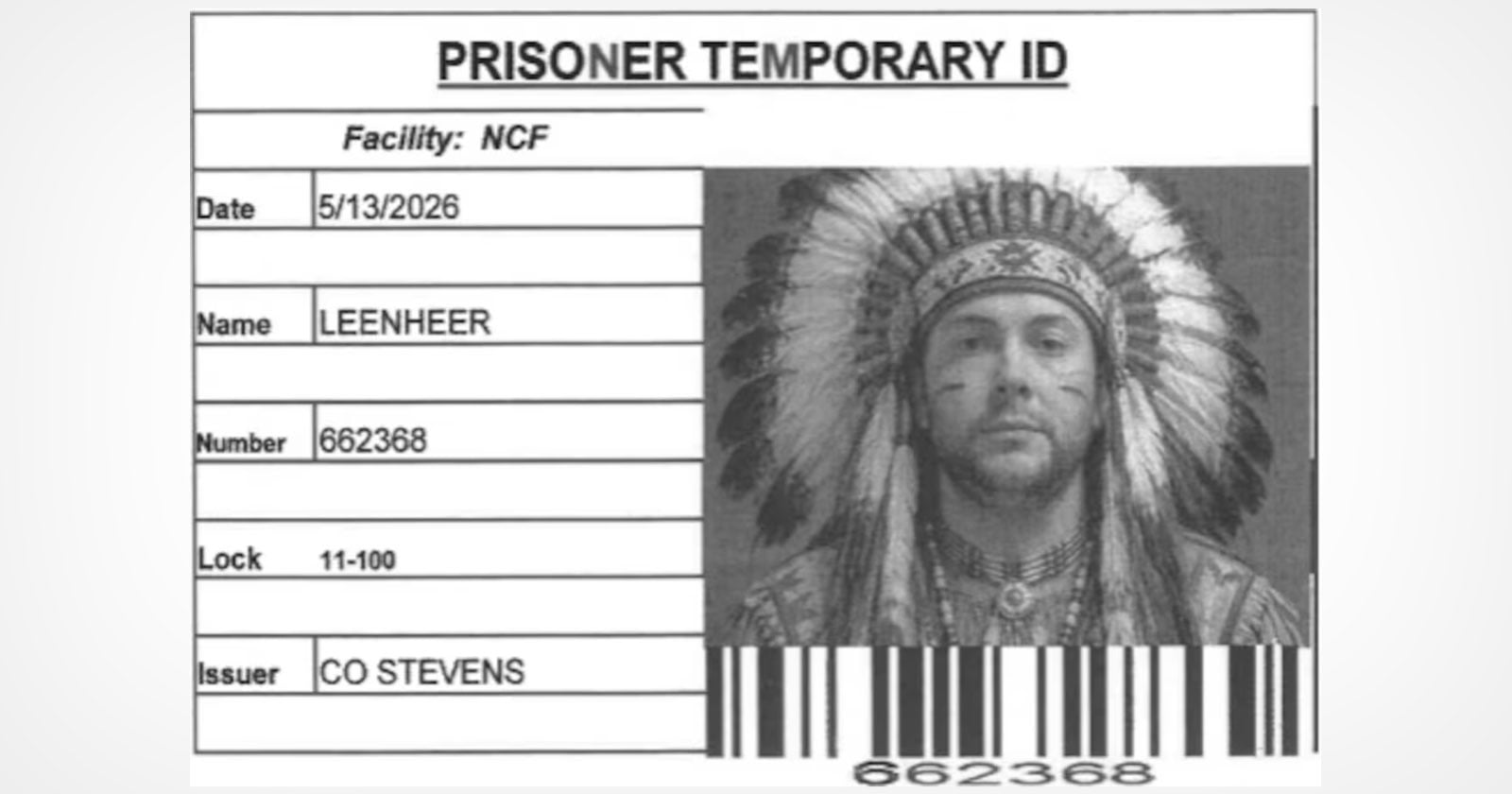
The recent lawsuit filed by a former inmate against correctional officers for digitally altering his prison photograph to depict him in stereotypical Native American clothing is deeply unsettling, and demands a broader conversation about the ethical boundaries of image manipulation within systems of power. This isn't merely a case of a disgruntled ex-prisoner; it’s a stark illustration of potential abuse of authority, cultural insensitivity, and the weaponization of imagery. It echoes similar concerns raised in cases like the ACLU’s challenge to authorities using drones to photograph homes without warrants [Lawsuit Challenges Authorities Which Used Drones to Photograph Homes Without Warrants], highlighting a growing trend of surveillance and image capture operating outside established legal frameworks and raising serious questions about privacy and consent. Furthermore, the case draws parallels to the complexities of copyright and ownership in the digital age, as seen when a photographer sued Getty Images only to discover he lacked the copyright to his own work [Photographer Sues Getty Over His Photos, But Discovers He Doesn’t Own the Copyright], demonstrating how easily image rights can be obscured and exploited.
The act itself—altering a formal identification photograph to mock or demean an individual—is profoundly disrespectful and potentially damaging. Prison photographs serve as official records, and their manipulation undermines the integrity of the system and the individual’s identity. The choice of stereotypical Native American attire is particularly egregious, perpetuating harmful and inaccurate representations of a diverse group of people. This isn't just about a humorous prank; it’s about the deliberate use of cultural symbols to inflict emotional distress and reinforce prejudiced views. The incident raises serious concerns about the training and oversight of correctional officers, and the potential for systemic biases to influence their actions. It also highlights the ease with which digital tools can be used to create and disseminate misleading imagery, a challenge that affects not only individuals but also the broader public trust in institutions.
The legal ramifications of this case extend beyond the immediate plaintiff’s claim for damages. It sets a precedent for holding correctional facilities accountable for the actions of their employees, particularly when those actions involve the misuse of technology and the intentional distortion of reality. The case also underscores the need for clearer policies regarding the handling and manipulation of official photographs, as well as robust training programs to prevent such incidents from occurring in the future. The visual record, once considered a neutral tool for identification, is increasingly susceptible to manipulation, demanding a re-evaluation of its reliability and the ethical responsibilities that accompany its creation and dissemination. We’ve seen similar concerns play out in the world of photojournalism, with courts recently ordering reinstatement of a sensitive image depicting a Gaza soccer game [Court Orders Sports Photography Festival to Reinstate Gaza Soccer Photo], demonstrating the ongoing struggle to balance freedom of expression with ethical considerations and the potential for misrepresentation.
Looking ahead, the proliferation of sophisticated image editing tools makes incidents like this increasingly likely. The ease with which photographs can be altered and disseminated online poses a significant challenge to truth and authenticity in the digital age. How can we, as a society, ensure that official records remain trustworthy, and that individuals are protected from the misuse of their images? The case of the former inmate serves as a cautionary tale, reminding us of the importance of vigilance, ethical oversight, and a commitment to upholding the integrity of visual representation—especially within systems that wield significant power. The question becomes not just about punishing those who perpetrate these acts, but about proactively establishing safeguards to prevent them from happening in the first place.
A former inmate has filed a lawsuit accusing correctional officers of digitally altering his prison photograph to make him appear wearing a stereotypical Native American headdress and clothing.
Read on the original site
Open the publisher's page for the full experience