Exclusive: Zeiss Refutes Rumors Cosina Developed Otus ML Lenses
Our take
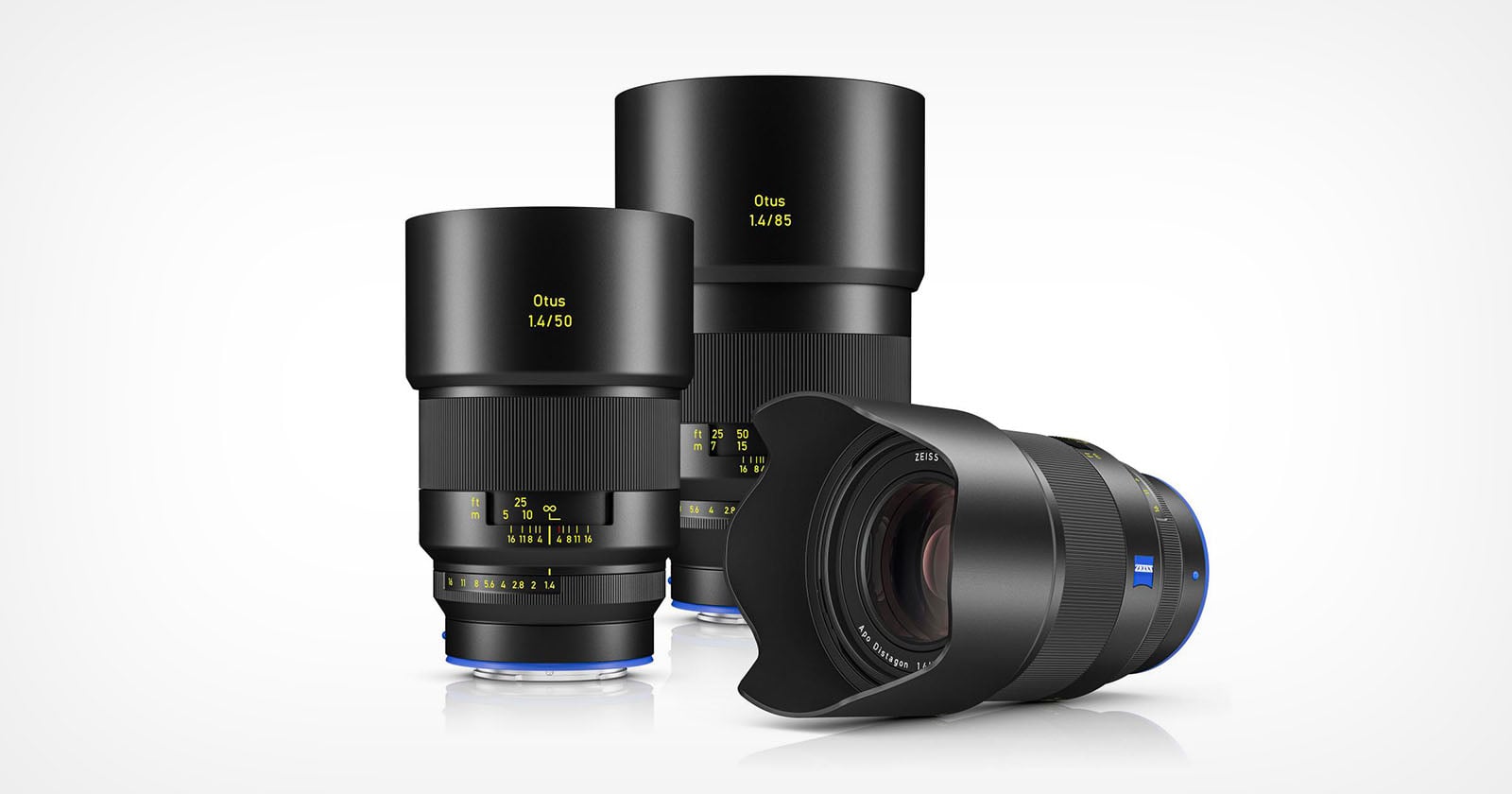
The recent clarification from Zeiss, directly refuting rumors that Cosina was responsible for the development of their new Otus ML lens series, is a significant moment for the photographic optics landscape. The persistent whispers, fueled by industry speculation and a general understanding of Cosina’s involvement in manufacturing lenses for various brands, created a cloud of uncertainty around Zeiss’s latest offering. This situation highlights the increasing complexity of lens manufacturing and the often-opaque relationships between brands and their production partners. Furthermore, it underscores the importance of direct communication from manufacturers in dispelling misinformation, especially in a community as discerning as those who appreciate high-end optics. The ripple effect of such rumors can be substantial, impacting consumer perception and potentially influencing purchasing decisions, so Zeiss's swift and unequivocal denial is welcome. It's a good reminder of the broader trends in the photography space, such as Zoner Studio’s Summer Update [Zoner Studio’s Summer Update Targets Real-World Photo Workflows], which demonstrates a focus on workflow improvements, and the emergence of new audio solutions like those from Maono [Maono Unveils New Hybrid Audio Interfaces for Streaming and Recording], both reflecting a dynamic and evolving creative ecosystem.
The Otus lenses have long held a reputation for exceptional image quality, often considered among the finest prime lenses available, particularly within the manual focus realm. The rumors suggesting Cosina involvement, while not necessarily indicative of diminished quality, raised concerns among some purists who associate Zeiss with a distinctly German engineering philosophy and meticulous design process. By firmly asserting their in-house development, Zeiss reinforces its commitment to this legacy and reassures its loyal customer base. The manufacturing process for optical glass and the intricate engineering required to achieve the Otus’s renowned performance are not trivial matters; they demand significant investment and specialized expertise. The fact that Zeiss is maintaining control over this aspect of their product line speaks to their dedication to delivering a premium experience, and it also implicitly frames Cosina’s role, if any, as a potential manufacturing partner rather than the primary creative force behind the lens design. The attention to detail seen in Light Lens Lab’s new black-and-white film [Light Lens Lab’s New Black-and-White Film Will Have Unique ‘Character’] also exemplifies this dedication to craftsmanship and unique aesthetic outcomes.
Beyond the immediate impact on Zeiss and its consumer base, this situation offers a broader perspective on the current state of the lens manufacturing industry. The specialization of roles – design, engineering, manufacturing, marketing – has led to a more fragmented supply chain, making it increasingly difficult to trace the origin and development of lenses. While Cosina’s expertise is undeniable, and their contribution to the optics world substantial, the perception of a brand like Zeiss is intrinsically tied to its identity and history. Allowing rumors to persist could have subtly eroded that identity, diminishing the brand’s perceived value. Zeiss’s proactive response showcases the importance of brand stewardship and the need to actively manage narratives, particularly in an era of instant information dissemination and social media speculation. It's a lesson for all manufacturers: transparency and direct communication are invaluable assets in maintaining trust and reinforcing brand integrity.
Looking ahead, one must wonder how this clarification will influence future industry collaborations and the level of transparency manufacturers will adopt regarding their production processes. Will we see a trend towards greater openness about partnerships, or will brands continue to maintain a degree of secrecy to protect competitive advantages? Moreover, how will this impact the perception of lenses manufactured by third parties, even those of exceptional quality? The Otus ML series, now definitively established as a Zeiss creation, will undoubtedly continue to set a high bar for lens performance, and the industry will be watching closely to see how this incident shapes the future of lens development and the relationships between brands and their manufacturing partners.
Despite rumors to the contrary, Zeiss tells PetaPixel that it did develop its new series of Otus ML prime lenses for full-frame mirrorless cameras.
Read on the original site
Open the publisher's page for the full experience