Experts Claim Gerda Taro Took ‘The Falling Soldier’, Not Robert Capa
Our take
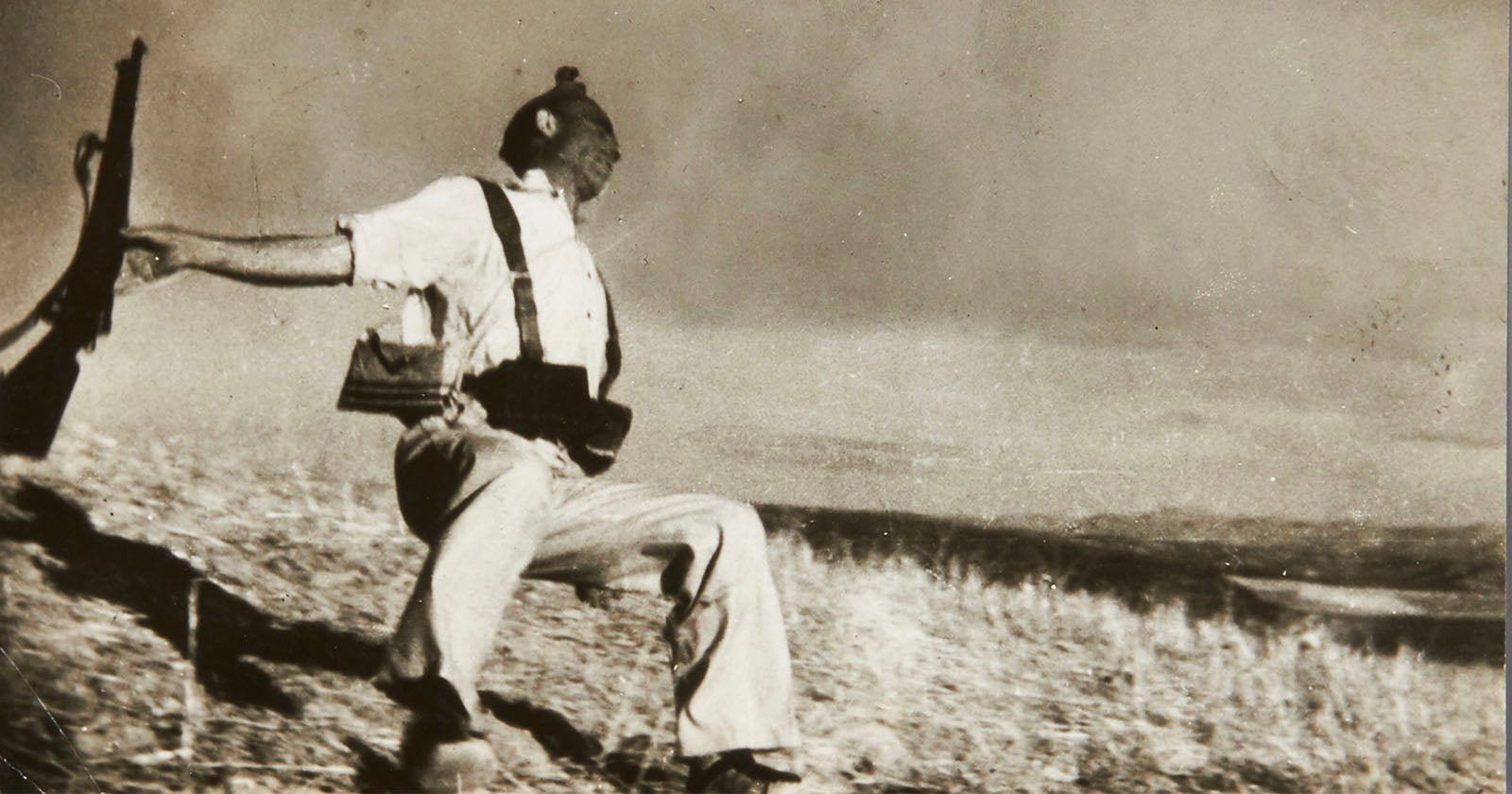
The enduring mystique surrounding Robert Capa’s “The Falling Soldier” has always been intertwined with a shadow of doubt. The photograph, a visceral depiction of a Republican soldier seemingly falling under fire during the Spanish Civil War, has been endlessly analyzed, debated, and questioned regarding its authenticity and the circumstances of its creation. Now, a compelling argument suggests that the photographer behind this iconic image might not be who we’ve long believed – it could be Gerda Taro, Capa’s partner and fellow photojournalist. This revelation, as detailed in the recent PetaPixel article, throws another layer of complexity onto an already intricate narrative, forcing us to reconsider not only the authorship of the image but also the often-overlooked contributions of women in the early days of photojournalism. It echoes a sentiment explored in "Apparently ‘Photography Is All Fake Anyway,” where the very concept of photographic truth is questioned, reminding us that even the most celebrated images are subject to interpretation and potential manipulation. The debate also touches on themes of artistic legacy and the power dynamics within creative fields, a conversation previously sparked by "David Bowie’s Official Photographer Transforms His Photo Archive Into an Immersive Experience," highlighting the ongoing efforts to re-evaluate and reinterpret artistic contributions.
The implications of Taro’s potential authorship extend far beyond simply correcting a historical record. For decades, Capa has been lauded as a master of capturing conflict, a pioneer of war photography. Acknowledging Taro's role, even if it's a shared credit or a complete re-attribution, necessitates a re-examination of the historical narrative of photojournalism. It challenges the ingrained biases that have historically minimized the contributions of women in a field dominated by men. Furthermore, the timing of this claim is particularly poignant, emerging at a time when discussions about authenticity in photography, fueled by the rise of AI-generated imagery, are already at a fever pitch. The debate surrounding “The Falling Soldier” becomes a microcosm of broader concerns about the veracity of visual representation and the potential for manipulation, a reality underscored by the current fascination with analog processes, as seen in the resurgence of appreciation for films like Kodak Gold, “Kodak Gold is Somehow Both Very Popular and Underappreciated.” The potential for misattribution or the suppression of a woman’s work, even in a historical context, serves as a cautionary tale for the digital age.
The evidence presented, according to the PetaPixel piece, is compelling – a comparison of negatives, analysis of photographic styles, and a deeper dive into the logistical realities of the Spanish Civil War. While definitive proof may remain elusive, the possibility of Taro's involvement demands serious consideration. It’s also a stark reminder of the often-blurred lines between collaboration, credit, and artistic ownership, particularly in the fast-paced, often chaotic environment of war reporting. The story illuminates the importance of archival research and the continuous re-evaluation of established narratives. It highlights the necessity of looking beyond the celebrated figures and seeking out the untold stories of those who worked behind the scenes, often in the shadows, contributing to the visual record of history. The fact that this debate is resurfacing now speaks volumes about our evolving understanding of authorship and the persistent need to challenge conventional wisdom.
Ultimately, the controversy surrounding “The Falling Soldier” is not just about a single photograph; it’s about the integrity of photographic history and the recognition of those who have been historically marginalized. As we navigate an era defined by increasingly sophisticated image manipulation technologies, the scrutiny of photographic origins and the stories behind iconic images will only intensify. Will this re-evaluation of Capa’s work lead to a broader and more inclusive understanding of the pioneers of photojournalism? Or will the ingrained narratives prove too resilient to change? It remains to be seen, but the unfolding story of “The Falling Soldier” serves as a powerful catalyst for critical reflection and a renewed commitment to uncovering the full and authentic story of visual history.
Robert Capa's The Falling Soldier photograph has been mired in controversy for decades, dogged by claims that it was staged and that Capa falsified the caption information. Despite this, it remains an iconic image in the pantheon of photojournalism.
Read on the original site
Open the publisher's page for the full experience