Fisherman’s Mysterious Photographs Capture Essence of Selkie Folklore
Our take
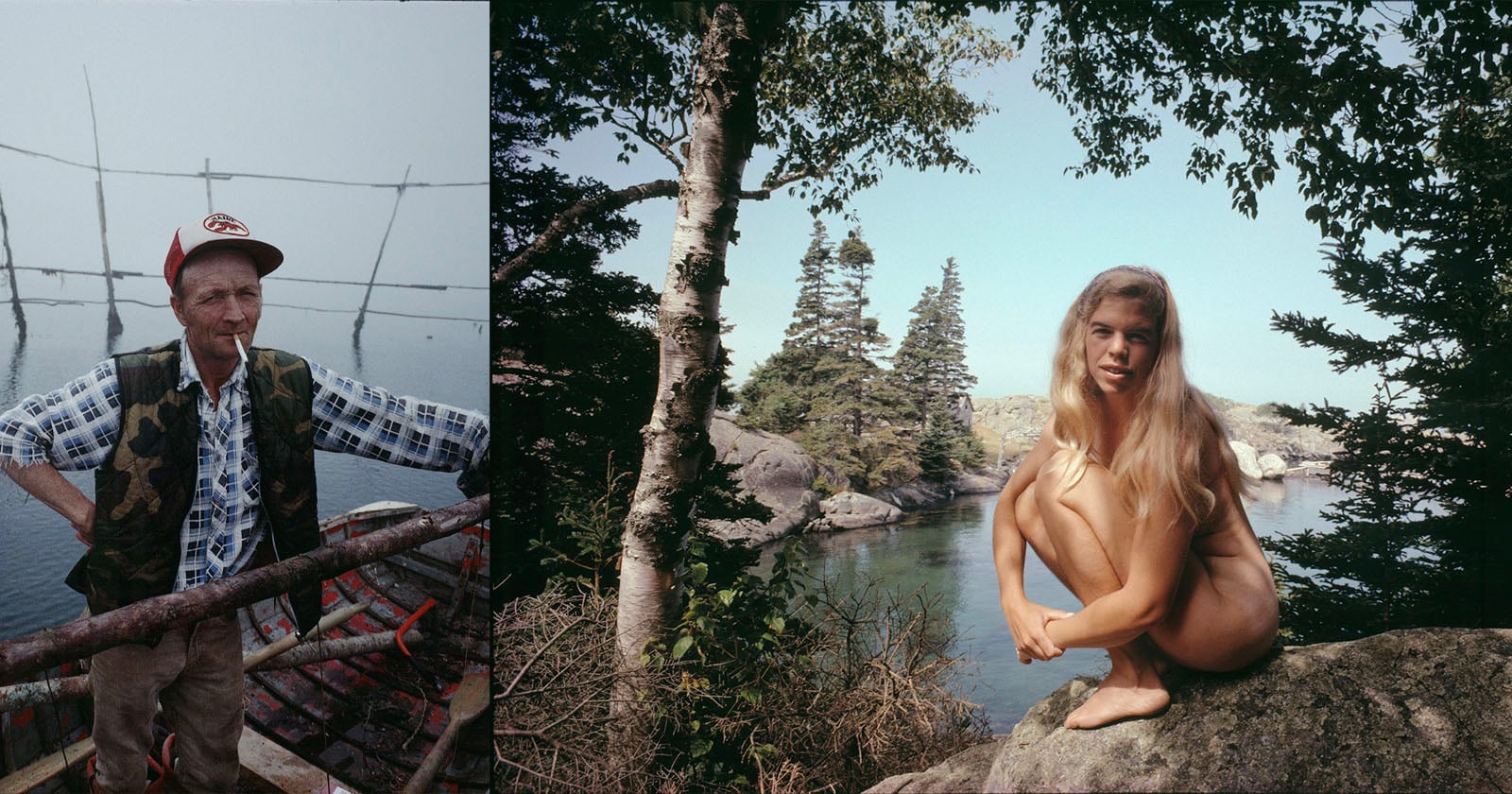
The story of Jeff Dworsky, the teenage fisherman and self-taught photographer, is more than just a charming narrative of youthful independence; it’s a compelling intersection of artistic vision, folklore, and a deliberate retreat from the conventional. Dworsky’s photographs, described as capturing the essence of selkie folklore – tales of seal-folk who can shed their skin to become human – resonate with a primal, almost mythic quality. This isn't merely about picturesque coastal scenes; it’s about a deep connection to a landscape and a mythology that informs his perspective. His work speaks to a broader fascination with visual storytelling that transcends the purely documentary, a trend we've seen amplified in recent projects like the immersive cinematography of “Stars of ‘The Odyssey’ Describe the Insane IMAX Camera Used to Film It,” which demonstrates the power of innovative technology to elevate narrative depth. And, as our recent piece on “A Digital Twin-Lens Reflex Camera is Long Past Due” explored, the tactile experience of photography – the deliberate choices made with a physical camera – continues to hold a powerful allure for those seeking a more authentic creative process. Dworsky’s Leica, acquired at just 15, is not just a tool; it's an extension of his artistic soul.
The inherent mystery surrounding Dworsky’s life – dropping out of school, relocating to a remote island, dedicating himself to fishing and photography – undeniably contributes to the mystique of his work. He’s a figure seemingly unburdened by contemporary pressures, creating art on his own terms, deeply embedded within the environment he photographs. The images themselves, particularly the striking contrast of the older fisherman alongside a nude woman on the rocks, hint at a deliberate blurring of boundaries between human and animal, reality and myth. It’s a visual language that taps into archetypal imagery, echoing the selkie legends while simultaneously feeling intensely personal and immediate. The impact is amplified by the context of contemporary digital image creation; in an age saturated with filtered and manipulated visuals, Dworsky’s raw, unfiltered aesthetic feels particularly refreshing. This resonates with a growing desire for authenticity that’s evident in the appreciation for handcrafted goods and experiences, a desire mirrored in the profound impact of artistic endeavors like "This Spellbinding 4K Timelapse of Aurora Lights is Made From Thousands of Astronaut Photos," where the sheer volume of raw material underscores the dedication and authenticity of the final product.
Dworsky’s story challenges the conventional narratives of artistic success – the formal training, the gallery representation, the relentless self-promotion. He bypasses these structures altogether, creating a body of work that speaks for itself. His decision to embrace a life of relative isolation, prioritizing artistic exploration over external validation, is a potent statement in a world increasingly defined by connectivity and constant visibility. It suggests that true creativity often flourishes in spaces of quiet contemplation and immersion, far removed from the noise and distractions of modern life. The photographs aren't simply documentation of a place but embodiments of a way of being, a meditative practice reflected in the images. This deliberate choice to exist outside the mainstream also underscores the importance of self-sufficiency and resourcefulness, qualities increasingly valued in a rapidly changing world.
Ultimately, Jeff Dworsky’s photographic journey raises a compelling question: can a life lived in profound connection with nature and personal mythology yield a form of artistic expression that transcends the limitations of the modern world? His work seems to suggest that it can, offering a powerful reminder of the enduring allure of folklore, the beauty of the natural world, and the transformative power of a singular, unwavering artistic vision. It will be fascinating to observe how his work is received and interpreted as the world becomes increasingly aware of this enigmatic fisherman and his captivating photographs.
Jeff Dworsky dropped out of school at 14, bought a Leica at 15, and moved to a small island in Maine at 16 to become a fisherman.
Read on the original site
Open the publisher's page for the full experience