For Better Candid Portraits, Do This
Our take
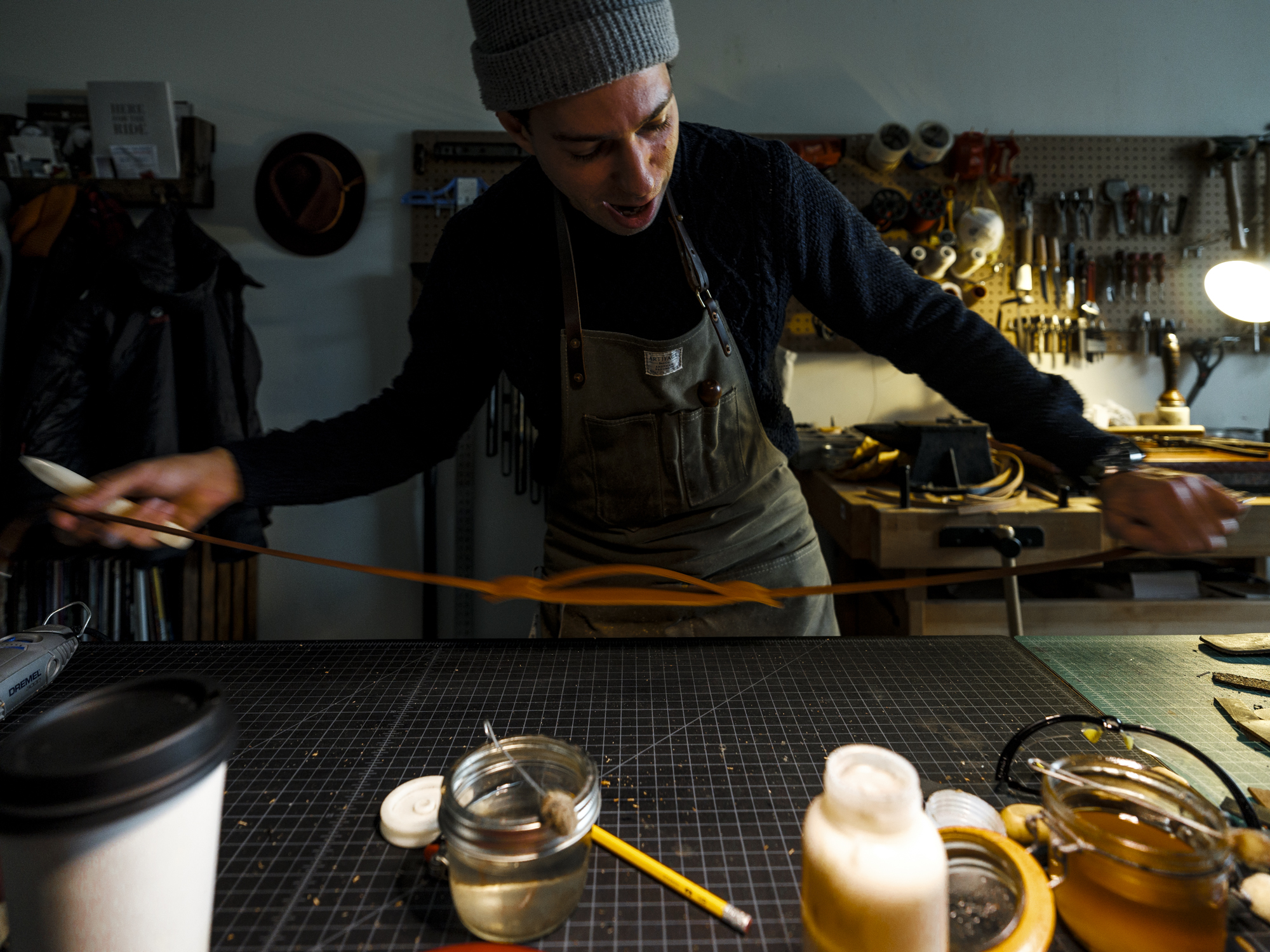
## Our Take: The Subtle Art of Capturing Genuine Moments
The pursuit of the candid portrait is a fascinating intersection of technical skill and human connection. As the article, "For Better Candid Portraits, Do This", rightly points out, achieving that fleeting, authentic expression is far more challenging than it appears. It’s easy to snap a posed photo, ensuring perfect lighting and composition, but capturing a genuine laugh, a thoughtful gaze, or a moment of unguarded joy requires a different level of artistry. The ideal, of course, is the "fly on the wall" – a photographer so unobtrusive that the subject is completely unaware of being observed. While that level of stealth is occasionally attainable, it’s not a realistic goal for most photographers. This is where understanding and employing techniques to *approach* that ideal becomes crucial, moving beyond mere documentation to something more akin to visual storytelling. The core of this challenge lies in understanding the dynamics of observation; the very act of being observed inherently alters behavior, and the key to a successful candid portrait is minimizing that impact. We've previously explored similar themes in The Psychology of Portraiture, highlighting how understanding human behavior can dramatically improve your photography.
The techniques outlined – focusing on observation rather than direct interaction, anticipating moments, and subtly adjusting your position – represent a shift in mindset. It’s about becoming a student of human behavior, reading body language, and predicting natural movements. It’s not just about having a fast shutter speed or a wide aperture; it's about cultivating a heightened awareness of the environment and the people within it. This approach resonates with a broader trend in photography towards authenticity and unscripted moments. In an age saturated with highly filtered and curated images, the raw honesty of a well-captured candid portrait feels increasingly refreshing. The article’s emphasis on subtle adjustments to positioning is particularly astute. Small changes in perspective can drastically alter the emotional impact of a photograph, guiding the viewer's eye and subtly shaping the narrative. It's a reminder that technical proficiency is only half the battle – the artistic eye and the ability to anticipate are equally, if not more, important. Consider how this connects to street photography, where the same principles apply - a discipline we’ve previously covered in Street Photography: A Beginner's Guide. Both require a deep understanding of human behavior and an ability to react quickly and decisively.
The increasing popularity of candid portraiture also reflects a broader cultural shift toward valuing vulnerability and authenticity. Social media, ironically, which often promotes a highly polished image of perfection, has simultaneously fueled a desire for more real and relatable content. Candid portraits offer a glimpse behind the facade, revealing the messy, imperfect, and ultimately beautiful reality of human experience. This isn't just about photography; it's about a yearning for genuine connection in a world that often feels increasingly superficial. The skill in capturing these moments lies in respecting the subject's space and dignity while still conveying their essence. It’s a delicate balance, requiring empathy, intuition, and a profound understanding of the human condition. The best candid portraits aren’t just aesthetically pleasing; they tell a story, evoke an emotion, and offer a glimpse into the soul.
Looking ahead, we can expect to see even greater emphasis on capturing authentic moments, fueled by advancements in camera technology and a growing appreciation for the power of unscripted imagery. As computational photography continues to evolve, blurring the lines between reality and manipulation, the value of a genuinely candid photograph – one that captures a fleeting moment of truth – will only continue to increase. The question becomes: how will photographers adapt their techniques to remain unobtrusive in an increasingly connected and surveilled world, and how can they ensure that their pursuit of authenticity respects the privacy and dignity of their subjects?
Read on the original site
Open the publisher's page for the full experience