Former DJI Engineers Raise $250,000 for ‘World’s First Robotic Extreme Zoom Camera’
Our take
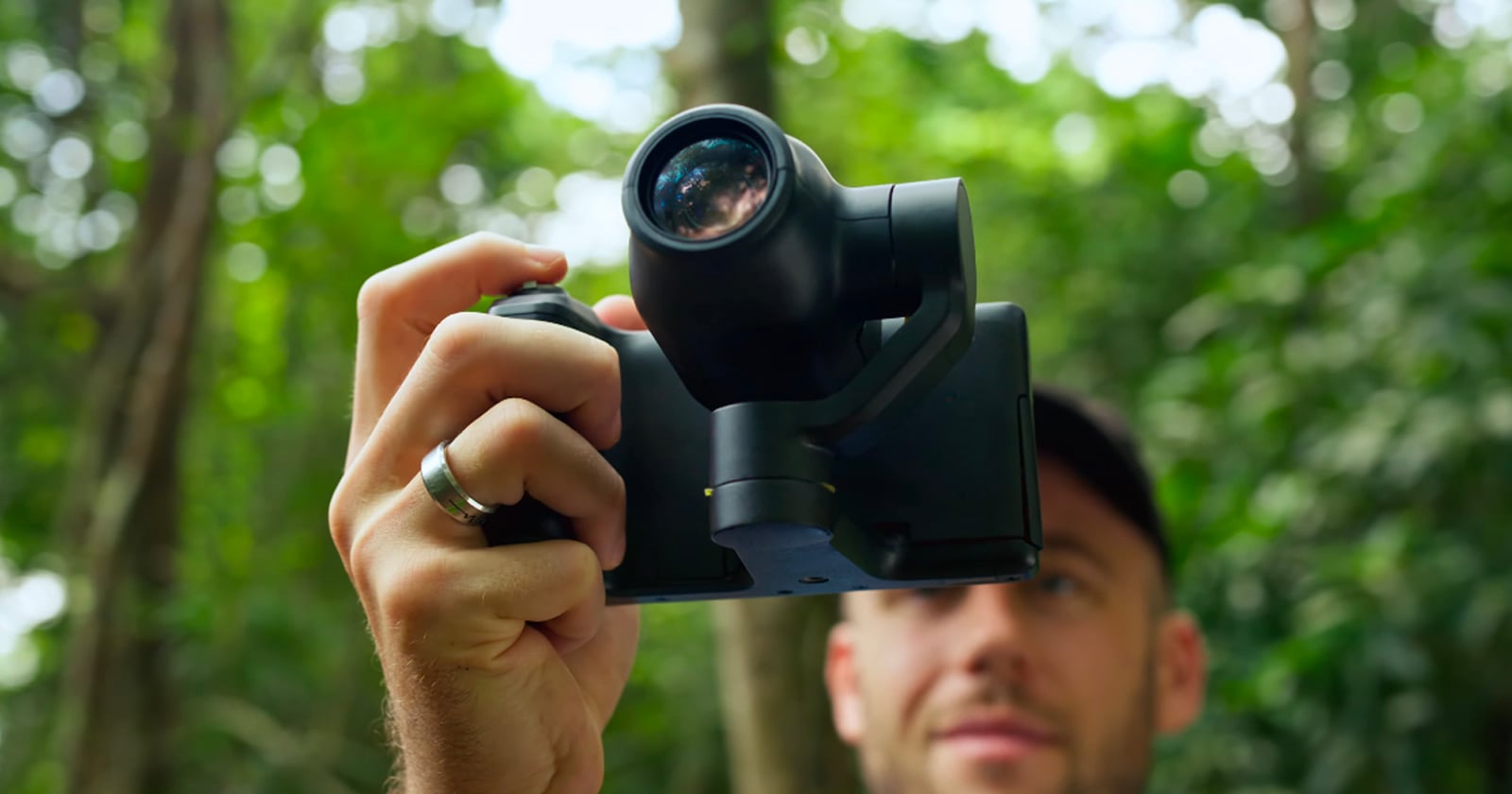
The emergence of the RocXZoom from FarseerTech, a venture spearheaded by former DJI engineers, signals a compelling shift in how we approach capturing the elusive beauty of distant subjects. The device's promise – a 50x hybrid zoom coupled with motorized movement and AI-powered tracking – speaks directly to the frustrations of wildlife photographers, birders, and outdoor enthusiasts who often grapple with the limitations of traditional equipment. We’ve long admired the ingenuity of the maker community pushing boundaries, as evidenced by creations like This 90 Year Old Zeiss Camera Shoots Instax Using Legos, demonstrating a persistent desire to innovate. Similarly, DJI’s own ventures into extreme environments, such as DJI Straps an Osmo Action 6 to a Rocket Ship for a Wild Ride, highlight the brand's relentless pursuit of pushing camera technology to its limits. The RocXZoom appears to be a focused application of that same ethos, but with a distinct emphasis on simplifying the process for a broader audience.
The appeal of the RocXZoom lies not just in its technical specifications, but in its potential to democratize extreme photography. Previously, achieving consistent, sharp images of distant wildlife or fast-moving birds required a significant investment in specialized telephoto lenses, often accompanied by a steep learning curve in manual focusing and tracking. While dedicated equipment remains valuable for professionals, the RocXZoom’s integrated AI and motorized functionality suggest a more accessible entry point. The $250,000 raised in funding underscores a clear market demand for a solution that streamlines this process, hinting at a broader trend toward intelligent camera systems that anticipate and adapt to the photographer's needs. The challenges of capturing compelling imagery in demanding conditions are well-documented, as exemplified by reviews like GoPro Mission 1 Pro ILS Review: A Bit of a Head Scratcher, highlighting the complexities of developing innovative camera technologies.
Beyond the immediate benefits for wildlife and nature photography, the RocXZoom’s technology could have ripple effects across various fields. Consider applications in surveillance, search and rescue operations, or even scientific research, where the ability to remotely observe and document distant events is paramount. The combination of extreme zoom and automated tracking presents a significant advantage over traditional methods, allowing for more efficient and accurate data collection. The compact design is also a notable factor, suggesting portability and ease of use in diverse environments. It’s worth noting that the "hybrid zoom" technology, often combining optical and digital elements, can impact image quality. FarseerTech's success will likely hinge on optimizing this hybrid system to maintain sharpness and minimize artifacts, especially at the higher zoom levels.
Ultimately, the RocXZoom represents more than just a new camera; it embodies a growing trend toward intelligent, automated photography tools. The success of this venture, and the subsequent evolution of similar products, will reshape our expectations of what's possible in capturing the world around us. Will we see a future where cameras become increasingly autonomous, capable of anticipating and capturing moments without requiring constant manual intervention? And perhaps more importantly, how will this shift impact the artistic and creative process, and the very definition of photographic authorship? The answers, like the distant subjects the RocXZoom seeks to capture, remain just beyond our reach, but increasingly within our grasp.
A new camera from FarseerTech aims to simplify photographing distant, moving subjects. RocXZoom combines a 50x hybrid zoom, motorized pan-and-tilt movement, and AI-powered subject recognition in a compact body designed for wildlife, birding, and outdoor observation.
Read on the original site
Open the publisher's page for the full experience