Fujifilm Acros II Is the King of Fine Grain Black and White Film
Our take
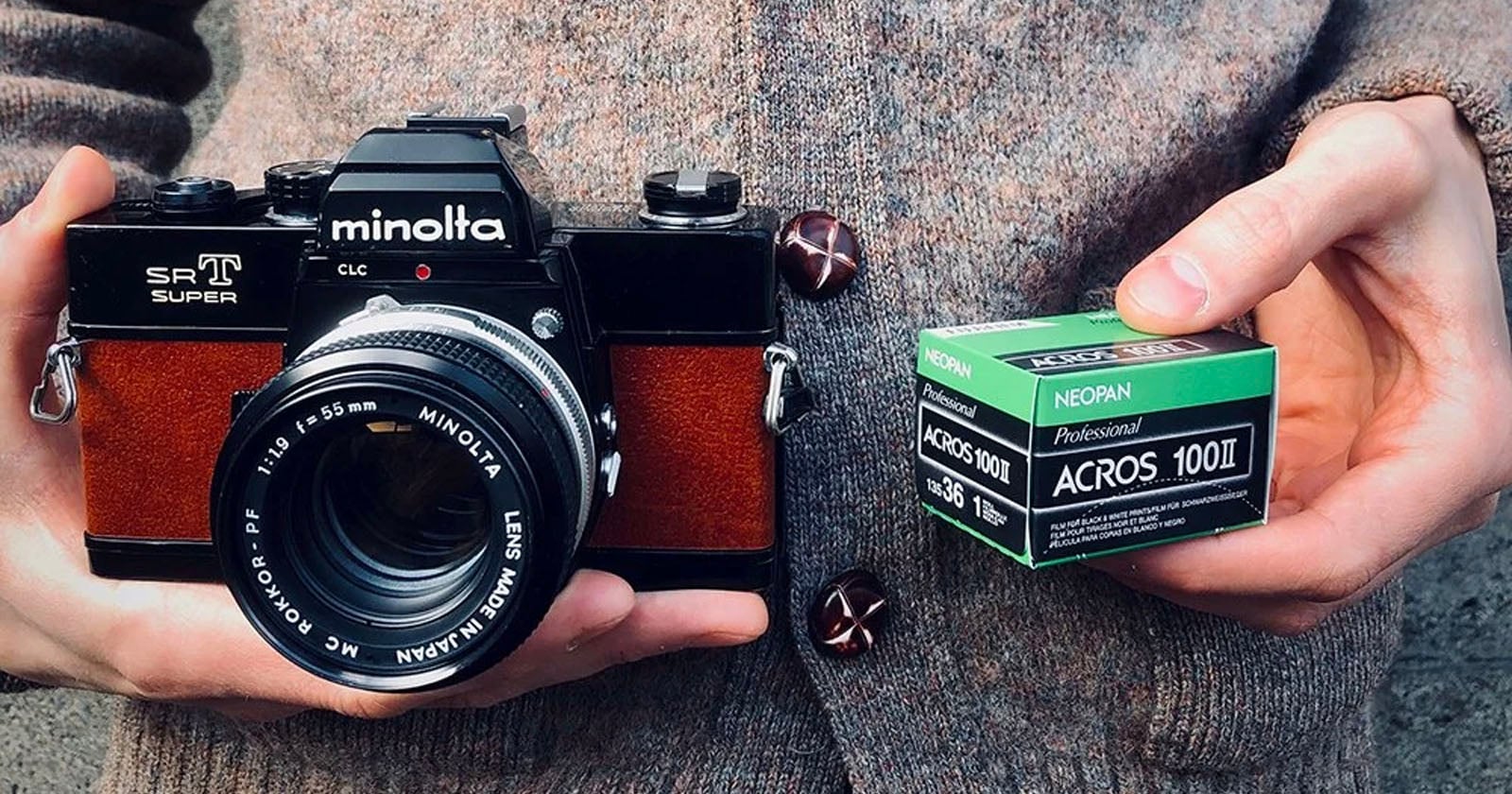
The resurgence of film photography continues to surprise and delight, and the enduring appeal of Fujifilm Acros II, as highlighted by PetaPixel, reinforces this beautifully analog trend. For those of us who remember the pre-digital era, or who are discovering the joys of film for the first time, the meticulous grain structure and tonal range of Acros are simply unmatched. The loss of other Neopan films over the years left Acros as a lone sentinel, a reminder of Fujifilm's commitment to black and white artistry. It’s a comfort knowing that such a revered stock continues to be produced, especially when considering the evolving landscape of photographic equipment, as seen in articles like [The 10 Best Mirrorless Camera Deals Photographers Can Get Right Now], where the focus is increasingly on cutting-edge digital technology. Interestingly, the challenges faced by freelance photographers, documented in [Freelance Photographers Balk at New Wall Street Journal Contract], also speak to how the value of photographic work is being redefined in a digital age, making the dedication to analog processes like shooting Acros all the more poignant.
The “king of fine grain” designation isn't hyperbole. Acros II offers an incredibly refined aesthetic, producing images with a sharpness and clarity rarely seen in other black and white films. Its low reciprocity failure also means it’s remarkably well-behaved in longer exposures, a characteristic valued by landscape and astrophotography enthusiasts. This isn't about nostalgia; it’s about a tangible quality, a depth of character that digital sensors, despite their impressive capabilities, still struggle to replicate. The deliberate choices involved in film photography—metering, development, scanning—create a unique level of engagement and control that many find deeply satisfying. We’ve witnessed firsthand, as Blue Moon Camera notes, the devoted following Acros has cultivated, and the recent re-release of Acros II only serves to solidify its place as a benchmark for black and white film. Even a visually arresting journey like [One Photographer, Two Stolen Bicycles, 10 Cities, 100,000 Photos: A Timelapse Tour Across Europe], which showcases the breadth of possibilities with photography, benefits from appreciating the unique qualities of different mediums.
The enduring appeal of Acros II also speaks volumes about the broader shift in photographic values. Increasingly, photographers are seeking a more deliberate, tactile experience, rejecting the instant gratification of digital in favor of the considered process of film. The grain, often perceived as a flaw in earlier photography, is now embraced as a textural element, lending images a sense of depth and authenticity. This isn't about rejecting digital; it's about expanding the creative palette and recognizing the distinct strengths of different mediums. The resurgence of darkroom printing, the careful selection of developers, and the meticulous scanning of negatives are all part of this mindful approach to image-making, a movement driven by a desire for greater artistic control and a deeper connection to the photographic process. Acros II sits squarely at the center of this movement, providing a canvas upon which photographers can craft images with nuance and character.
Looking ahead, it’s fascinating to consider the long-term implications of this renewed appreciation for film. While digital photography will undoubtedly continue to evolve, the demand for high-quality black and white film like Acros II suggests that analog processes aren’t going anywhere. Will we see a continued expansion of film stocks and related equipment, or will this remain a niche market catering to dedicated enthusiasts? The answer likely lies in the ongoing desire for creative expression and the enduring appeal of a tangible, handcrafted aesthetic—a search for something real in an increasingly virtual world, and a question worth watching as photographic technology continues its relentless march forward.
The original Fujifilm Acros film long held a special place in our camera bags here at Blue Moon Camera. We’d say that the whole Neopan line of films was highly favored by us, but we lost Neopan 400 and 1600 some time ago and Acros was the lone survivor.
Read on the original site
Open the publisher's page for the full experience