Gen Z Has Entered the Film Photography Chat
Our take
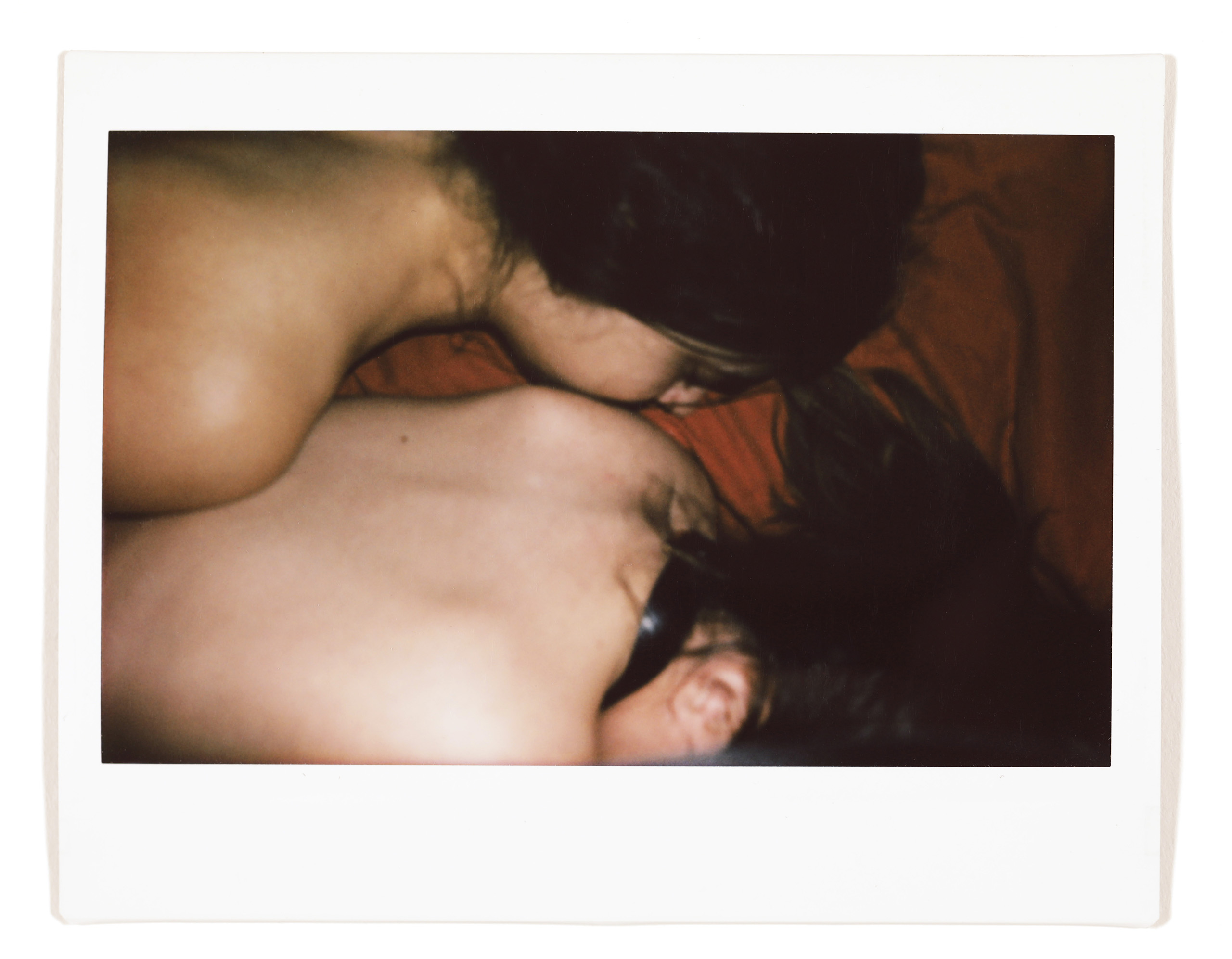
The cyclical nature of cultural trends is undeniable, and the recent embrace of film photography by Gen Z feels like a particularly poignant illustration of that phenomenon. As a millennial nearing a significant milestone, I’ve observed a pattern of generational critique—a familiar narrative of media skepticism mirrored in Gen Z’s current anxieties around AI and their discerning approach to the blurred lines of art versus content. It’s fascinating to see a generation, seemingly born into a digital landscape, actively seeking refuge in the tactile and deliberate process of film. This isn’t merely a nostalgic fad; it represents a deeper yearning for authenticity and a rejection of the ephemeral nature of digital creation. We've seen this appreciation for craft and tangible experiences before, as evidenced by the meticulous work showcased in [Behind the Curtain at KEH: Countless Cameras and a World-Class Repair Center]—a testament to the enduring value of analog equipment and the skilled artisans who keep it thriving.
The resurgence isn’t just about aesthetics; it’s about reclaiming control and intentionality. Digital photography, for all its convenience, often feels oversaturated and homogenized. The ease of editing and instant sharing has, arguably, diluted the artistic process. Film photography demands a different kind of engagement—a careful consideration of light, composition, and the inherent limitations of the medium. It necessitates patience and a willingness to embrace imperfection. This echoes the thoughtful curatorial practices we champion, where every detail is considered, and the final product reflects a conscious artistic vision. Consider, for instance, the historical context and artistic exploration presented in [Historic Portraits Celebrate the Earliest African American Photographers], highlighting the power of photography to capture and preserve narratives with depth and intention – a principle equally applicable to the Gen Z film photographers finding their voice. The commitment to a physical medium, to a tangible print, lends a weight and permanence often lacking in the digital realm. It’s a tangible connection to a lineage of photographers, a quiet rebellion against the fleeting nature of online trends.
The implications for the broader photography landscape are significant. While digital photography continues to evolve and dominate the commercial sphere, this renewed interest in film could spark a broader appreciation for the artistry inherent in the analog process. It might also foster a greater understanding of photographic history and the technical foundations upon which modern digital techniques are built. The Royal Photographic Society's exhibition, [18 Photos From the 167th Edition of the World’s Longest-Running Photography Exhibition], demonstrates the continued relevance and vitality of photographic institutions dedicated to preserving and showcasing the craft, a space that will likely benefit from this influx of new, film-focused talent. This isn't about replacing digital photography; it’s about adding another layer of richness and complexity to the photographic conversation. The very act of developing film, of seeing an image emerge in the darkroom, is a deeply satisfying and almost meditative experience – one that resonates with a generation seeking respite from the constant stimulation of the digital world.
Ultimately, the embrace of film photography by Gen Z isn't just a trend; it’s a statement. It’s a declaration of independence from the algorithmic pressures and instant gratification of the digital age. It’s a testament to the enduring power of tangible creation and the inherent beauty of imperfection. The question now is: will this renewed appreciation for analog processes influence the future of digital photography, pushing it towards greater intentionality and artistic depth, or will it remain a separate, niche pursuit? Only time will tell, but one thing is certain: the resurgence of film is a compelling reminder that sometimes, the best way forward is to look back.
Read on the original site
Open the publisher's page for the full experience