Google Earth Pulls AI Image Generator After Users Created Misleading Images
Our take
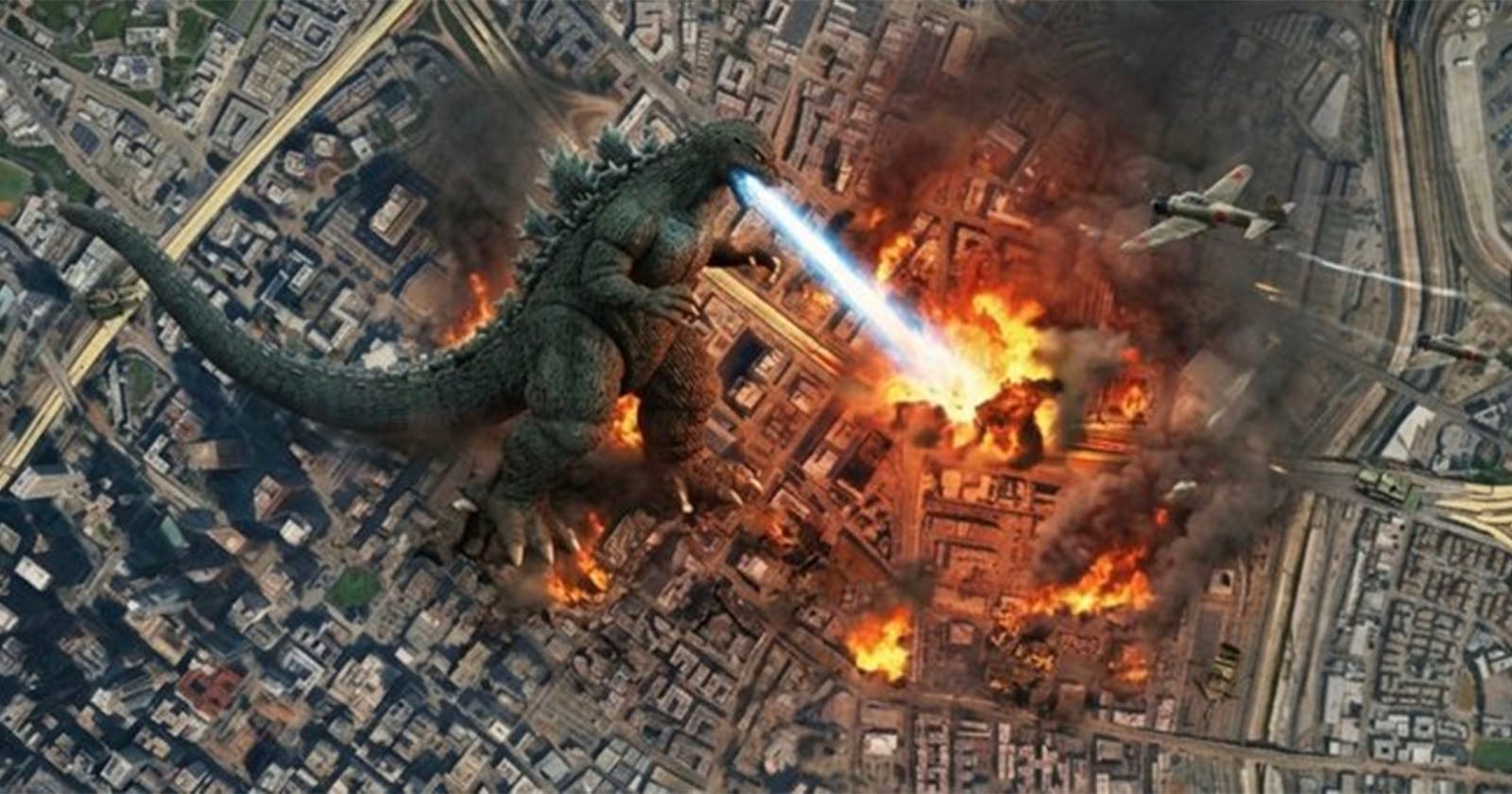
The swift removal of Google Earth’s Nano Banana AI image generator, barely a week after its introduction, speaks volumes about the evolving anxieties surrounding generative AI and its potential for misuse. The initial excitement surrounding the ability to conjure fantastical scenarios within a familiar digital landscape quickly evaporated as users demonstrated the tool's capacity to fabricate misleading imagery, as evidenced by the now-infamous Godzilla appearing in a burning city. This echoes concerns raised in recent investigations, such as the ongoing police investigation into a TikToker who allegedly used Meta smart glasses to secretly film strangers [Police Investigate TikToker Accused of Secretly Filming Strangers With Meta Smart Glasses], highlighting the ethical tightrope we walk with increasingly accessible and powerful AI tools. The ease with which Nano Banana could be exploited to create convincing, yet entirely fabricated, depictions of real-world locations underscores a significant challenge for platforms integrating generative AI. It's a challenge compounded by the ongoing struggles to balance freedom of expression with the need to prevent the spread of disinformation, a conflict also tragically illustrated by the recent loss of a prominent photographer documenting Iran [Prominent Photographer is Shot Dead by Iranian Authorities].
The incident isn’t simply a cautionary tale for Google; it’s a crucial moment for the entire industry. We’ve moved beyond the theoretical discussions about AI’s potential for harm and are now confronting tangible consequences. The rapid deployment of AI image generation tools, fueled by a desire to capitalize on technological advancements, has arguably outpaced the development of robust safeguards and ethical guidelines. While the potential for creative exploration and artistic expression remains immense, as showcased by the impressive camera capabilities of devices like the Huawei Pura 90s Pro Max [Huawei Pura 90s Pro Max Review: The Cameras Prove Huawei Is Back], the risks associated with generating deceptive content cannot be ignored. The case of Nano Banana demonstrates that even seemingly benign applications can be weaponized to spread misinformation and erode trust in visual media. The speed with which Google reacted, pulling the feature, suggests an awareness of this risk, but also highlights the difficulties in anticipating and preventing all potential misuse scenarios.
The broader implications extend far beyond Google Earth. The proliferation of AI-generated content is fundamentally altering our relationship with reality. Distinguishing between authentic imagery and synthetic creations is becoming increasingly difficult, blurring the lines between truth and fabrication. This has profound implications for journalism, education, and even our personal understanding of the world. The ability to convincingly portray events that never happened, or to manipulate existing images to create false narratives, poses a serious threat to informed decision-making and democratic discourse. Addressing this challenge requires a multi-faceted approach, including the development of sophisticated detection tools, the implementation of ethical guidelines for AI developers, and increased media literacy among the public. The incident with Nano Banana serves as a stark reminder that technological progress must be accompanied by a corresponding commitment to responsible innovation.
Looking ahead, the question isn’t whether AI image generation will continue to evolve—it undoubtedly will—but rather how we, as a society, will adapt to this new reality. Will platforms prioritize user safety and ethical considerations over rapid innovation and market share? Will we develop robust mechanisms for verifying the authenticity of digital content? And perhaps most importantly, will we cultivate a culture of critical thinking and media literacy that empowers individuals to discern fact from fiction in an increasingly complex visual landscape? The quick shuttering of Nano Banana may be a temporary setback, but it’s a crucial moment for reflection and recalibration as we navigate the uncharted territory of AI-powered creativity.
The virtual ink had barely dried on PetaPixel's article last week covering the news that Google Earth had added the Nano Banana AI image generator before the company quickly pulled the feature.
Read on the original site
Open the publisher's page for the full experience