GoPro Officially Joins Micro Four Thirds System
Our take
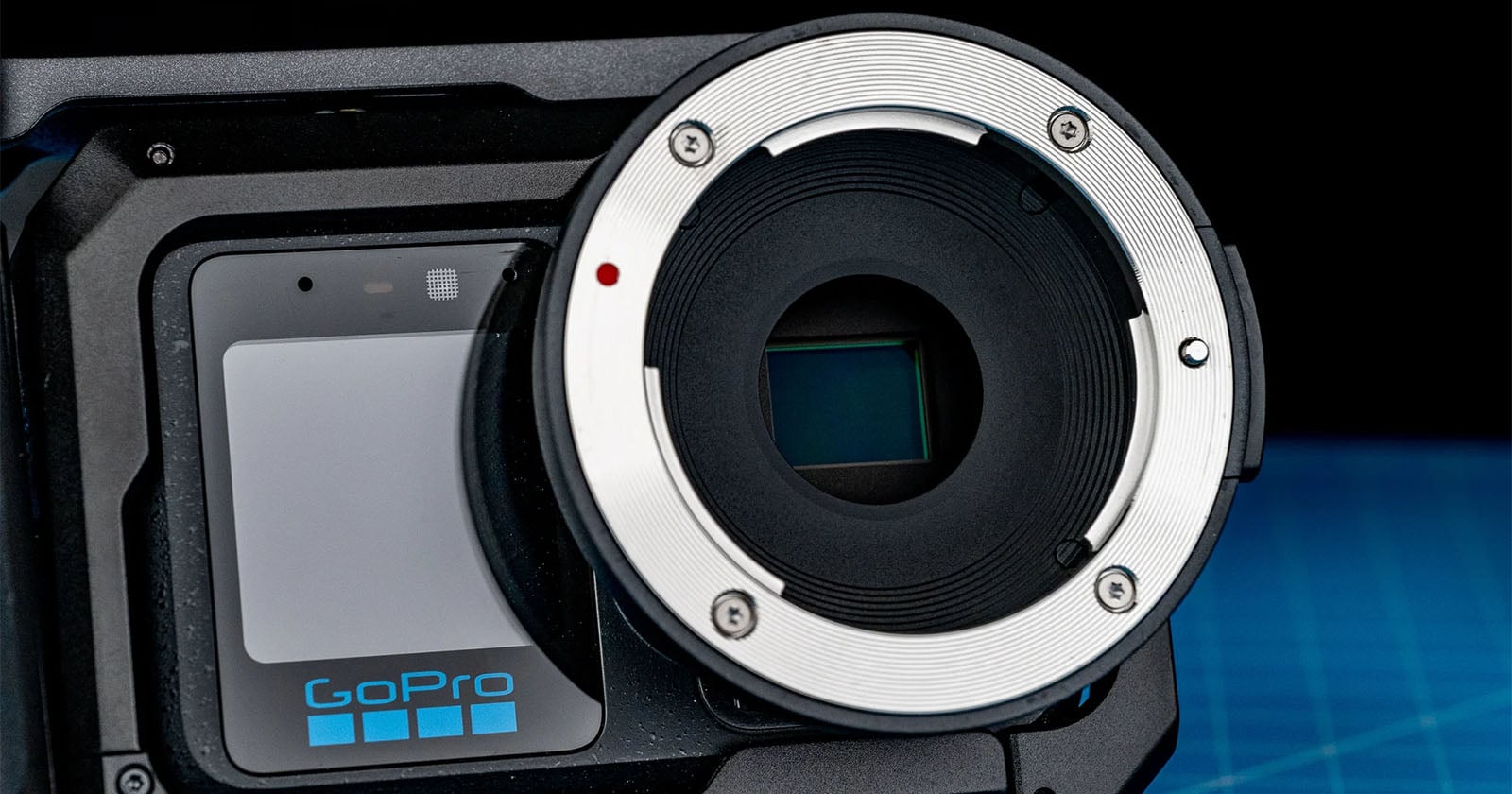
The announcement that GoPro has officially embraced the Micro Four Thirds (MFT) system is a quietly seismic shift in the action camera landscape. For years, GoPro has maintained a proprietary lens mounting system, a deliberate decision that fostered a unique ecosystem of accessories and a degree of control over its product offerings. However, aligning with the established MFT standard, pioneered by OM Digital Solutions (formerly Olympus) and Panasonic, unlocks a world of possibilities previously unavailable to GoPro users. This move isn't just about wider lens compatibility; it signifies a potential evolution in GoPro’s design philosophy and a recognition of the broader demands of creators seeking greater flexibility and higher image quality. It’s a fascinating development, especially considering recent news like [Meta Might Be About to Release Smart Glasses Without a Camera], which highlights the broader industry trend towards open standards and modularity, and also builds on OM System’s ongoing efforts to showcase the power of their optics with initiatives like [OM System Says You’ve Never Seen Birds Like This Before]. The implications for both GoPro and the MFT system itself are significant.
The beauty of the MFT system lies in its mature lens ecosystem. Decades of development have resulted in a vast array of lenses, from ultra-wide to telephoto, covering a wide range of price points and performance levels. GoPro users will now have access to this incredible selection, allowing for creative options far beyond what’s currently possible with GoPro’s native lens offerings. Imagine the potential for underwater photography with specialized MFT macro lenses, or the ability to capture stunning landscapes with high-quality wide-angle primes. Furthermore, the MFT system’s smaller sensor size, while a potential limitation in some scenarios, also allows for more compact and lightweight camera bodies, a characteristic that aligns well with GoPro’s ethos of portability and ruggedness. This aligns with the recent introduction of compact lenses, such as [The Panasonic Lumix S 20mm f/2.5 Is a Petite Prime Made for the S9], demonstrating a continued focus on smaller, more versatile optics within the MFT ecosystem. GoPro’s adoption provides a significant boost to the continued viability of the MFT system, offering a compelling use case and expanding its user base.
However, the integration isn't without its potential challenges. GoPro will need to develop robust and reliable adapters to ensure seamless compatibility with MFT lenses, addressing concerns about mounting stability, image quality, and autofocus performance. The transition may also require a rethinking of GoPro’s user interface and camera settings to fully leverage the capabilities of MFT lenses. It’s likely we’ll see a phased rollout of adapter options, initially focusing on popular lenses and expanding the selection over time. The success of this venture will depend heavily on GoPro's ability to deliver a user experience that is both intuitive and powerful, allowing creators to seamlessly integrate MFT lenses into their GoPro workflows. This is a significant investment for GoPro, signaling a willingness to adapt and innovate beyond its established core competencies.
Ultimately, GoPro’s embrace of the Micro Four Thirds system represents a strategic pivot towards greater versatility and creative potential. While the initial implementation will require careful execution, the long-term benefits – a wider lens selection, improved image quality, and a more adaptable platform – are undeniable. The move also validates the enduring relevance of the MFT system, ensuring its continued growth and innovation. The question now is how quickly GoPro can capitalize on this opportunity and what new creative possibilities will emerge as users begin to explore the combined power of GoPro’s rugged action camera capabilities and the expansive world of Micro Four Thirds optics.
OM Digital Solutions Corporation has announced that GoPro Inc. has officially declared its support for the Micro Four Thirds System standard that OM Digital Solutions, then Olympus, and Panasonic jointly announced in 2008.
Read on the original site
Open the publisher's page for the full experience