Hasselblad Phocus Mobile Finally Arrives on Android
Our take
## Our Take: Hasselblad Brings its Precision Workflow to Android – A Shift in Creative Accessibility
The arrival of Hasselblad Phocus Mobile V1.0.0 on Android is more than a simple app release; it signifies a considered shift in Hasselblad’s approach to the professional photography workflow and a broadening of its creative reach. For years, the brand has been synonymous with uncompromising image quality and a meticulous, often complex, post-processing process largely confined to desktop software and dedicated studio environments. Now, with this Android release – following the iOS version – Hasselblad is bringing a significant portion of that renowned workflow directly to mobile devices, supporting its flagship X2D II 100C, X2D 100C, 907X, and CFV 100C cameras. This development directly addresses the growing demand from photographers seeking greater flexibility and control over their image editing, especially those who appreciate the nuances of tethered capture and advanced color grading—capabilities previously reserved for the desktop. It’s a logical extension of the trend we’ve seen towards increasingly powerful mobile devices capable of handling complex computational tasks, and a direct response to competitors like Adobe, who have been aggressively expanding mobile editing capabilities within Lightroom. Consider the recent advancements highlighted in Mobile Photography: The Rise of Computational Power – this move from Hasselblad underscores that trend even further.
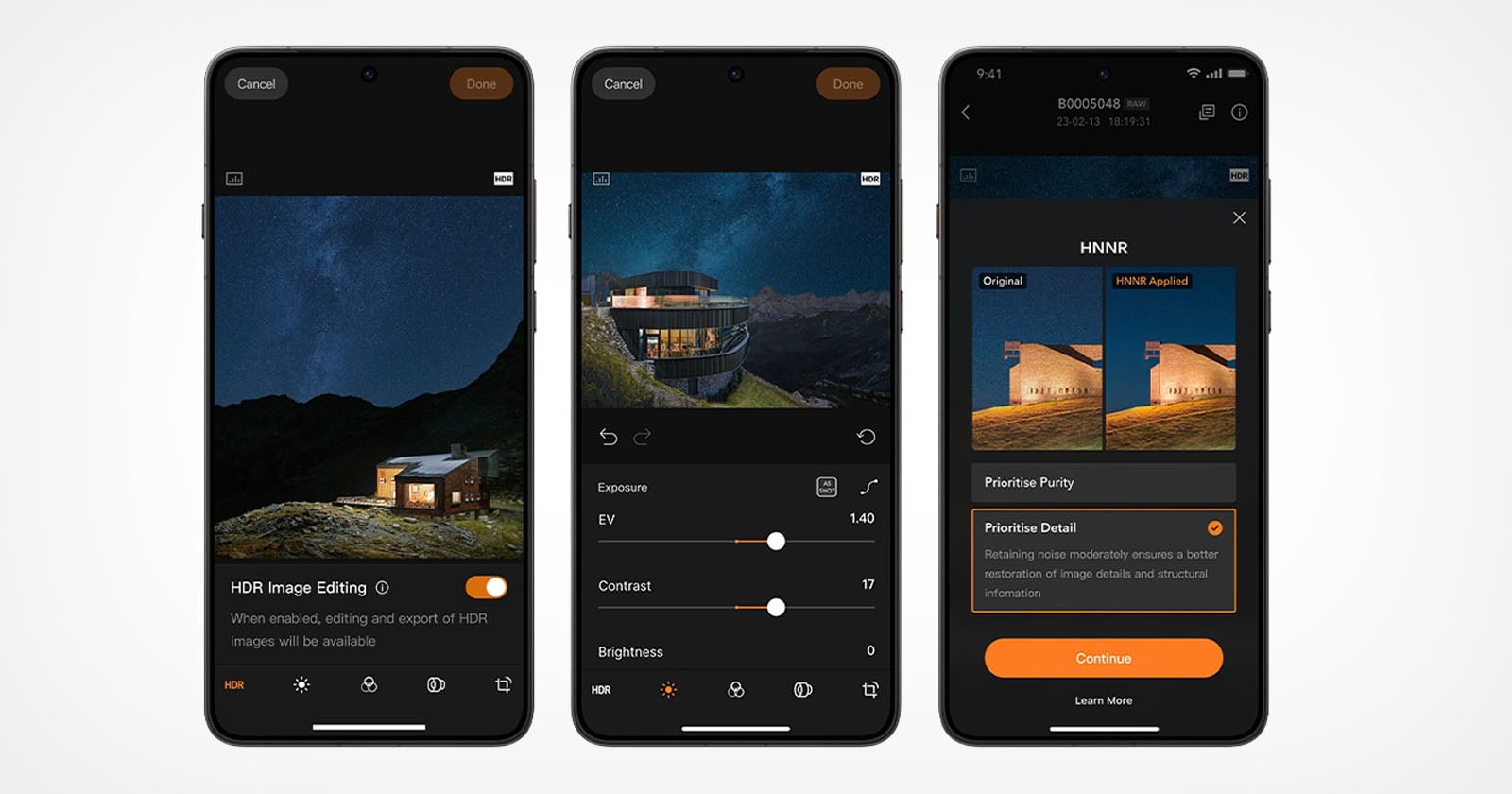
The significance of Phocus Mobile on Android isn’t solely about convenience, although the ability to review, cull, and make initial adjustments to images directly on a smartphone or tablet is undeniably appealing. It's about maintaining Hasselblad's distinct image quality and color science throughout the entire workflow. The app allows for tethered capture, meaning photographers can wirelessly transfer images from their Hasselblad camera to their Android device in real-time. This is particularly valuable for studio shoots, product photography, and location work where immediate feedback is crucial. Furthermore, the familiar Phocus interface, albeit adapted for mobile, allows users to leverage their existing knowledge of Hasselblad's color profiles and processing algorithms, ensuring consistency across different devices and platforms. The inclusion of HDR editing options, showcasing choices between “Prioritize Purity” and “Prioritize Detail,” as highlighted in the PetaPixel article, points to Hasselblad’s commitment to providing nuanced control over the final image—a key differentiator in a market flooded with simpler, more automated editing tools. This aligns with the broader conversation happening around computational photography and its impact on creative control, a topic we explored further in The Future of Creative Control in Computational Photography.
Beyond the immediate benefits for Hasselblad users, this Android release has broader implications for the photography ecosystem. It challenges the established dominance of desktop-based workflows and encourages a more mobile-centric approach to image creation and editing. While dedicated desktop software will undoubtedly remain essential for extensive post-processing, Phocus Mobile provides a compelling alternative for photographers who prioritize speed, flexibility, and maintaining Hasselblad’s signature image quality on the go. The move also signals a potential shift in how Hasselblad positions itself within the market. Historically perceived as a high-end, studio-focused brand, this release demonstrates a willingness to cater to a wider range of photographers, from professionals needing a robust mobile tethering solution to enthusiasts seeking a more refined mobile editing experience. It’s a calculated risk—diluting the exclusivity of the brand somewhat—but one that could ultimately expand its reach and solidify its position as a leader in image quality and workflow innovation.
Looking ahead, the key question is how Hasselblad will continue to evolve Phocus Mobile and what further integrations we can expect. Will we see deeper integration with cloud storage services? Will the app leverage the growing power of AI for automated editing tasks, while still maintaining the brand’s commitment to authenticity and control? Or will Hasselblad focus on refining the existing features and ensuring seamless compatibility with its expanding range of cameras? The continued development of this mobile platform will undoubtedly be a crucial indicator of Hasselblad’s long-term strategy and its commitment to bridging the gap between the studio and the field, between the traditional and the modern.
Hasselblad has announced that Phocus Mobile V1.0.0 for Android is now available and supports the the X2D II 100C, X2D 100C and 907X, and CFV 100C.
Read on the original site
Open the publisher's page for the full experience