Honor Robot Phone Hands-On: This Isn’t a Gimmick
Our take
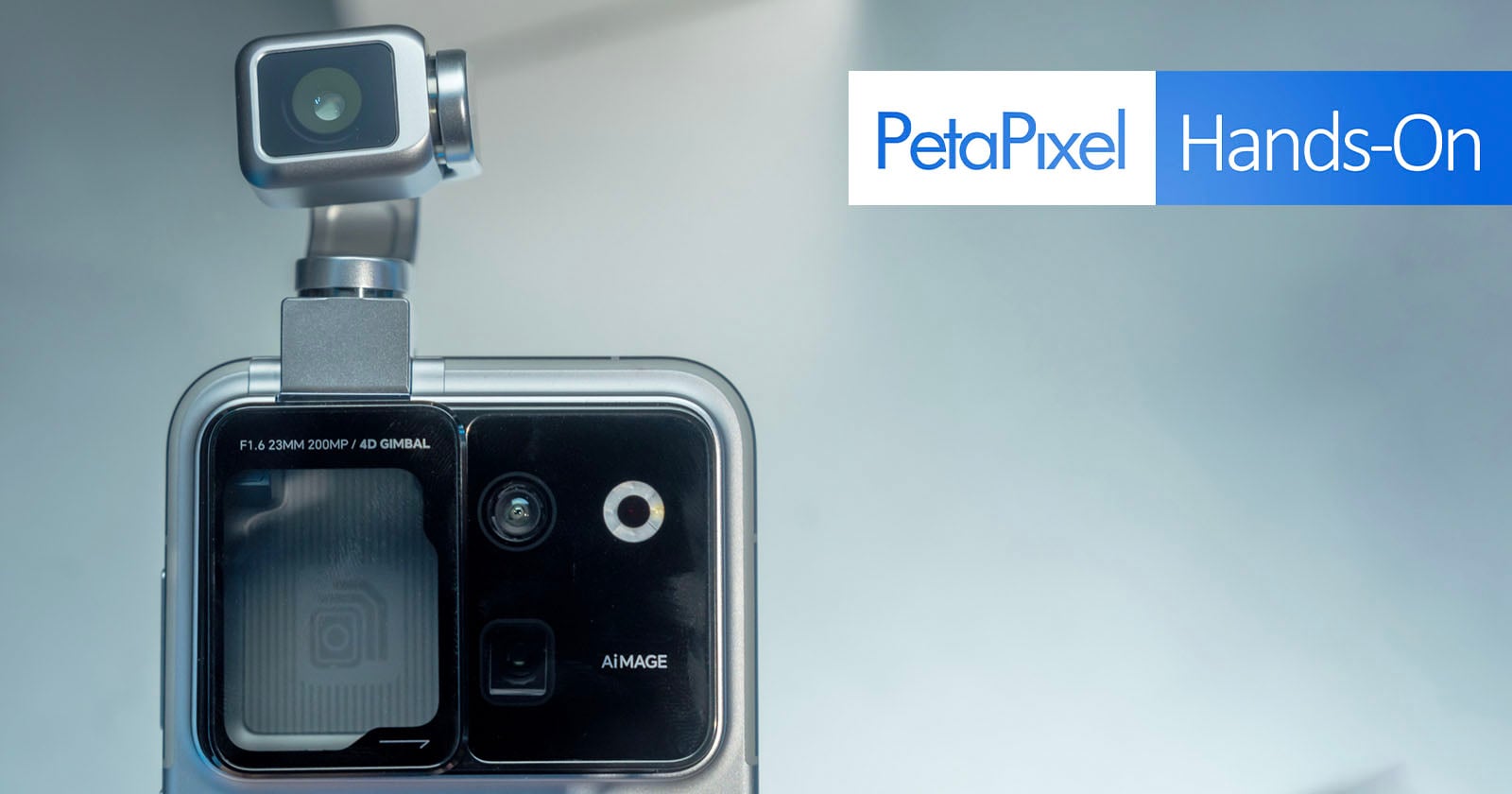
The unveiling of the Honor Robot Phone isn’t merely another incremental upgrade in the smartphone landscape; it represents a bold and, crucially, successful foray into genuinely innovative hardware. For years, we've seen manufacturers lean heavily on software enhancements and iterative design tweaks. The Honor Robot Phone, however, delivers a tangible, mechanical differentiator – a built-in motorized gimbal for its rear camera module. This isn't the first time we've seen stabilization technology integrated into mobile photography, but the sheer physicality of this approach, and the fact that it demonstrably *works*, sets it apart. It’s a welcome shift away from the often-overhyped promises of computational photography alone, and echoes a broader trend toward incorporating sophisticated engineering solutions to solve real-world problems. Consider the recent developments in macro lighting, such as [Adaptalux Wants to Make Macro Lighting Easy], which also showcase a focus on tangible improvements for creative workflows. Similarly, the ongoing legal battles surrounding DJI, like [DJI Lands Partial Win in Legal Fight Over ‘Chinese Military Company’ Designation], highlight the complexities of integrating advanced technology, particularly when it involves specialized hardware and global implications.
The beauty of the Honor Robot Phone’s design lies not just in its functionality, but also in its execution. The article rightly points out that this isn't a gimmicky experiment, but a polished product. The gimbal's movement is reportedly smooth and effective, translating to significantly improved image stabilization, especially in challenging conditions. This is a significant advancement for mobile videography and photography, allowing for smoother footage and sharper images even when the photographer is on the move. While some might argue that the added complexity and potential for mechanical failure are drawbacks, the hands-on reports suggest that Honor has addressed these concerns effectively. It’s a testament to the engineering prowess that can still be achieved within the constraints of a smartphone form factor, a space often perceived as mature and lacking in true innovation. The device's specifications—a 200MP sensor and 4D gimbal—further underscore Honor’s commitment to pushing the boundaries of mobile imaging. Thinking about the longevity of older cameras, like the discussion around whether [Is the Fujifilm X-T2 Worth Buying in 2026?] raises an interesting parallel: will the mechanical components of the Honor Robot Phone hold up over time, or will this be a feature that degrades with use?
The implications of this development extend beyond just the Honor Robot Phone itself. It signals a potential shift in the industry, encouraging other manufacturers to explore more radical hardware solutions rather than relying solely on software algorithms. While computational photography will undoubtedly remain a crucial element, the inclusion of a physical gimbal demonstrates that there's still value in tangible, mechanical improvements. This could lead to a new wave of innovation in mobile photography, with manufacturers experimenting with different types of stabilization systems, lens configurations, and other hardware-based enhancements. It’s a reminder that the pursuit of better image quality doesn't always require complex software; sometimes, the solution lies in a well-engineered piece of hardware. It also validates the notion that consumers are still receptive to genuinely innovative features, even if they come with a slightly higher price tag or added complexity.
Looking ahead, the biggest question surrounding the Honor Robot Phone is whether this technology will trickle down to more mainstream devices. While the current model is likely to remain a premium offering, the underlying gimbal technology could potentially be adapted for less expensive smartphones in the future. Furthermore, it will be fascinating to see how other manufacturers respond to this challenge. Will they attempt to replicate Honor’s gimbal system, or will they explore alternative hardware solutions to achieve similar results? The Honor Robot Phone has undeniably raised the bar for mobile photography, and the industry is now watching to see how the competition will react. It's a compelling sign that, despite the saturation of the smartphone market, there's still room for genuine, hardware-driven innovation.
The Honor Robot Phone is no longer a concept -- it’s a finished product now available in China. The first smartphone with a built-in motorized gimbal in its rear camera module is an engineering win for Honor, not least of which because it actually works. After spending hands-on time with the device, it’s clear enough this isn’t just another gimmicky half-baked experiment.
Read on the original site
Open the publisher's page for the full experience