How a Photographer Lost a $259K Photoshoot to AI
Our take
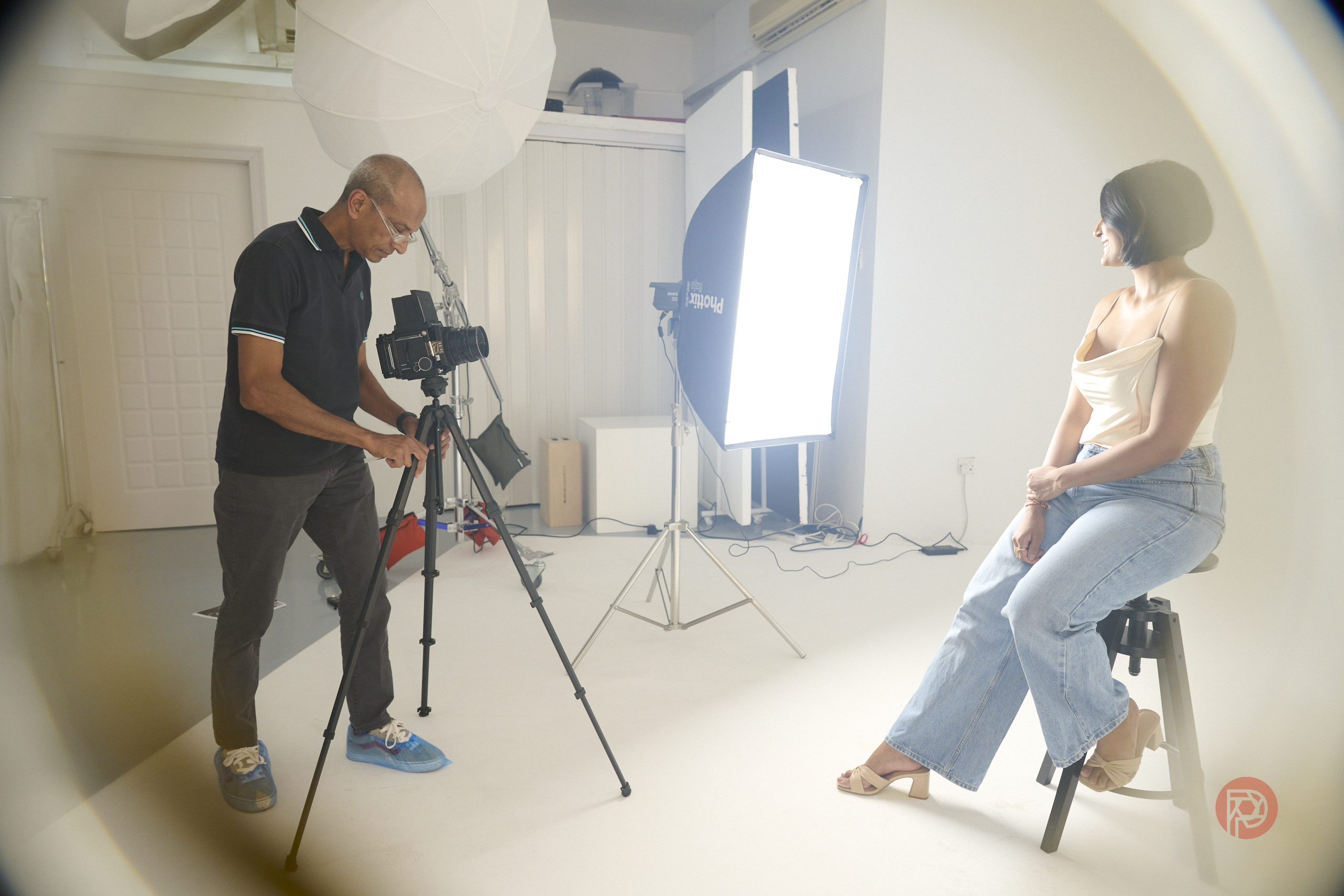
The unsettling narrative of a photographer losing a $259,000 photoshoot to AI is rapidly becoming a recurring theme in our industry, and the recent account shared by a production estimator highlights the accelerating shift with stark clarity. It's a story that resonates deeply with our audience, many of whom are creative professionals navigating this very disruption. The client’s desire for “dynamic and compelling” images, coupled with the complex production requirements – encompassing location scouting, talent management, set design, and post-production – traditionally represented a significant opportunity for skilled photographers and their teams. However, the willingness to explore AI-generated alternatives, seemingly without fully appreciating the nuances of craft and the value of human artistry, underscores a concerning trend. This mirrors the increasing accessibility of tools like those discussed in [This Free Film Scanning Tool is What Analog Photographers Have Been Waiting For], demonstrating how technological advancements, while offering potential benefits, can also reshape established workflows and economic models. The ease with which AI can now mimic photographic styles and generate convincing visuals is undeniably impacting the demand for traditional photography services, particularly in areas focused on product marketing.
The core of the issue isn’t simply the existence of AI image generation; it’s the devaluation of the human element. The estimator’s meticulous breakdown of the project’s cost—a testament to the countless hours of planning, coordination, and specialized skill involved—stands in direct contrast to the perceived low cost and rapid turnaround of AI-generated imagery. This isn't about resisting progress; it's about acknowledging the inherent differences between a carefully constructed photograph, imbued with the photographer's vision and the collaborative energy of a skilled crew, and an algorithmically produced facsimile. Consider the complexities addressed in [If Users Conceal the Recording Light on Smart Glasses, Meta Says It Will Disable the Camera]—the ethical considerations and transparency concerns surrounding technology are equally applicable here. While AI can replicate aesthetics, it lacks the critical thinking, problem-solving abilities, and nuanced understanding of human emotion that a photographer brings to the process. The client’s decision, while perhaps financially driven in the short term, risks sacrificing the authenticity and resonance that genuine, human-created imagery provides. As Meike’s introduction of [Meike Is Making an AF 85mm f/1.2 Portrait Prime for Full-Frame Mirrorless Cameras] demonstrates, photographers are adapting with new tools, but the fundamental question of value remains.
The impact extends beyond individual photographers. It threatens the entire ecosystem that supports them—the lighting technicians, stylists, set designers, retouchers—all of whom rely on projects like this for their livelihoods. The broader implication is a potential homogenization of visual content, as brands increasingly opt for the perceived efficiency and cost-effectiveness of AI over the unique perspective and artistic integrity of human creators. This isn’t to suggest that AI has no place in the creative process. It can undoubtedly serve as a powerful tool for brainstorming, experimentation, and even streamlining certain aspects of production. However, the wholesale replacement of human photographers with algorithms represents a significant loss, not only for the professionals involved but also for the quality and diversity of the visual landscape. The inherent limitations of AI in capturing genuine emotion, conveying authentic narratives, and adapting to unpredictable real-world conditions should be carefully considered before sacrificing the irreplaceable value of human artistry.
Looking ahead, the key will be for photographers and creative agencies to articulate the tangible benefits they provide beyond mere image creation – the strategic thinking, brand storytelling, and emotional connection that AI simply cannot replicate. The industry needs to actively champion the value of authentic imagery and educate clients on the long-term consequences of prioritizing cost over quality and originality. The question is not whether AI will continue to evolve and impact the creative space, but rather how we, as an industry, can redefine the value proposition of human creativity and ensure that it remains not only relevant but also thriving in an increasingly automated world.
Read on the original site
Open the publisher's page for the full experience