How Photographers Are Using Insta360 Cameras to Protect Sharks
Our take
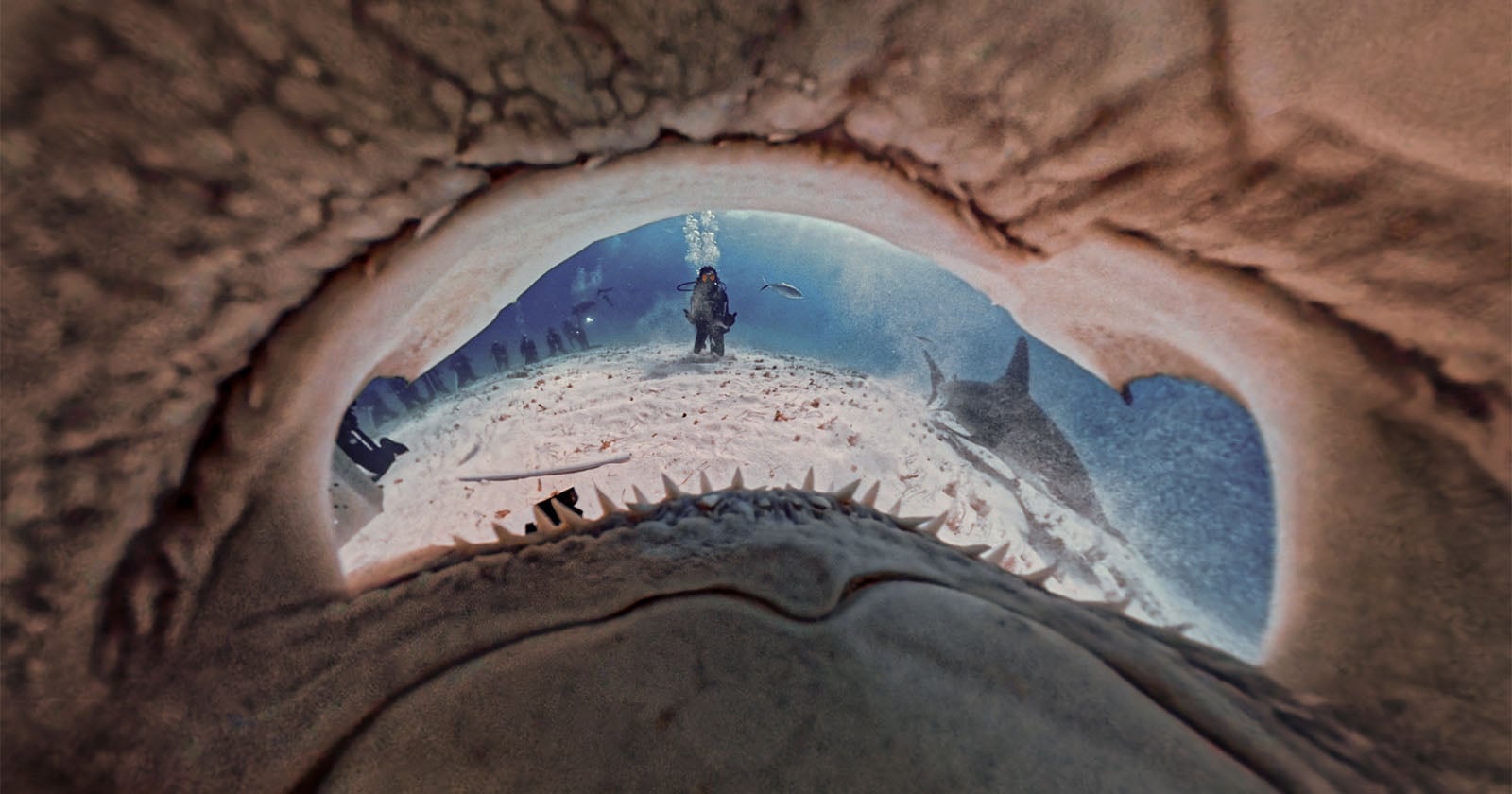
The intersection of technology, conservation, and artistic expression continues to yield remarkable stories, and Insta360’s recent collaboration to document shark behavior with its 360 cameras is a particularly compelling example. Celebrating Shark Awareness Day with this release highlights not just the capabilities of the Insta360 X5, but a growing trend toward using accessible technology for crucial environmental research. It’s a shift away from solely relying on expensive, specialized equipment, and towards empowering a wider range of individuals to participate in data collection. This echoes a broader movement we’ve seen in citizen science, and it’s exciting to see it applied to underwater photography and conservation efforts. Just last week, we covered how an [iPhone 17 Drops Into the Ocean and Keeps Recording for Two and a Half Hours], demonstrating the increasing resilience and recording capabilities of consumer-grade devices in challenging environments. Similarly, the enduring appeal of film like [Fujifilm Acros II Is the King of Fine Grain Black and White Film] speaks to a continued desire for authentic, tangible imagery, a quality that this new approach to shark documentation so beautifully captures.
The beauty of using 360 cameras in this context extends beyond mere novelty. Traditional underwater photography, especially when observing potentially dangerous marine life, presents inherent risks. These cameras allow researchers and photographers to maintain a safer distance while still capturing immersive, comprehensive footage. The resulting perspectives – seeing a shark’s world from multiple angles simultaneously – offer unprecedented insights into their behavior and interactions within their ecosystem. It’s a level of detail that's difficult, if not impossible, to achieve with conventional methods. The collaboration with renowned conservationists is key here; it ensures that the data collected isn't just visually stunning, but also scientifically valuable, contributing to a deeper understanding of shark populations and the threats they face. The success of this project also builds on broader trends in photographic technology, as showcased in our recent roundup of [The 10 Best Mirrorless Camera Deals Photographers Can Get Right Now], indicating a growing accessibility and affordability of high-quality imaging tools.
What's particularly inspiring is the democratization of conservation efforts enabled by this technology. It’s no longer solely the domain of large research institutions with substantial budgets. Individuals with a passion for the ocean and a desire to make a difference can now contribute meaningfully to shark conservation. The immersive nature of 360 video also allows for a more visceral connection with these animals, fostering greater empathy and awareness among the public. This is crucial, given the ongoing threats to shark populations from overfishing, habitat destruction, and climate change. By sharing these perspectives, Insta360 and its collaborators are not only documenting shark behavior but also advocating for their protection in a powerful and engaging way. The authenticity of the footage, captured in real-world conditions by dedicated individuals, resonates far more deeply than staged or heavily edited content.
Looking ahead, it’s fascinating to consider how this approach will evolve. Will we see wider adoption of 360 cameras and other readily available technologies in marine conservation efforts? Could AI-powered image analysis be used to automatically identify and track individual sharks from this footage, significantly accelerating research? The potential for citizen scientists to contribute large datasets, combined with advances in machine learning, could revolutionize our understanding of these vital creatures and ultimately help ensure their survival. One key question remains: how can we ensure the ethical and responsible use of this technology, minimizing any potential disturbance to the sharks and their environment while maximizing its conservation benefits?
To celebrate Shark Awareness Day, Insta360 has released a new video created in collaboration with renowned conservationists, photographers, and cinematographers.
Read on the original site
Open the publisher's page for the full experience