How Photographers Can Turn ‘Bad’ Weather Into Better Landscape Images
Our take
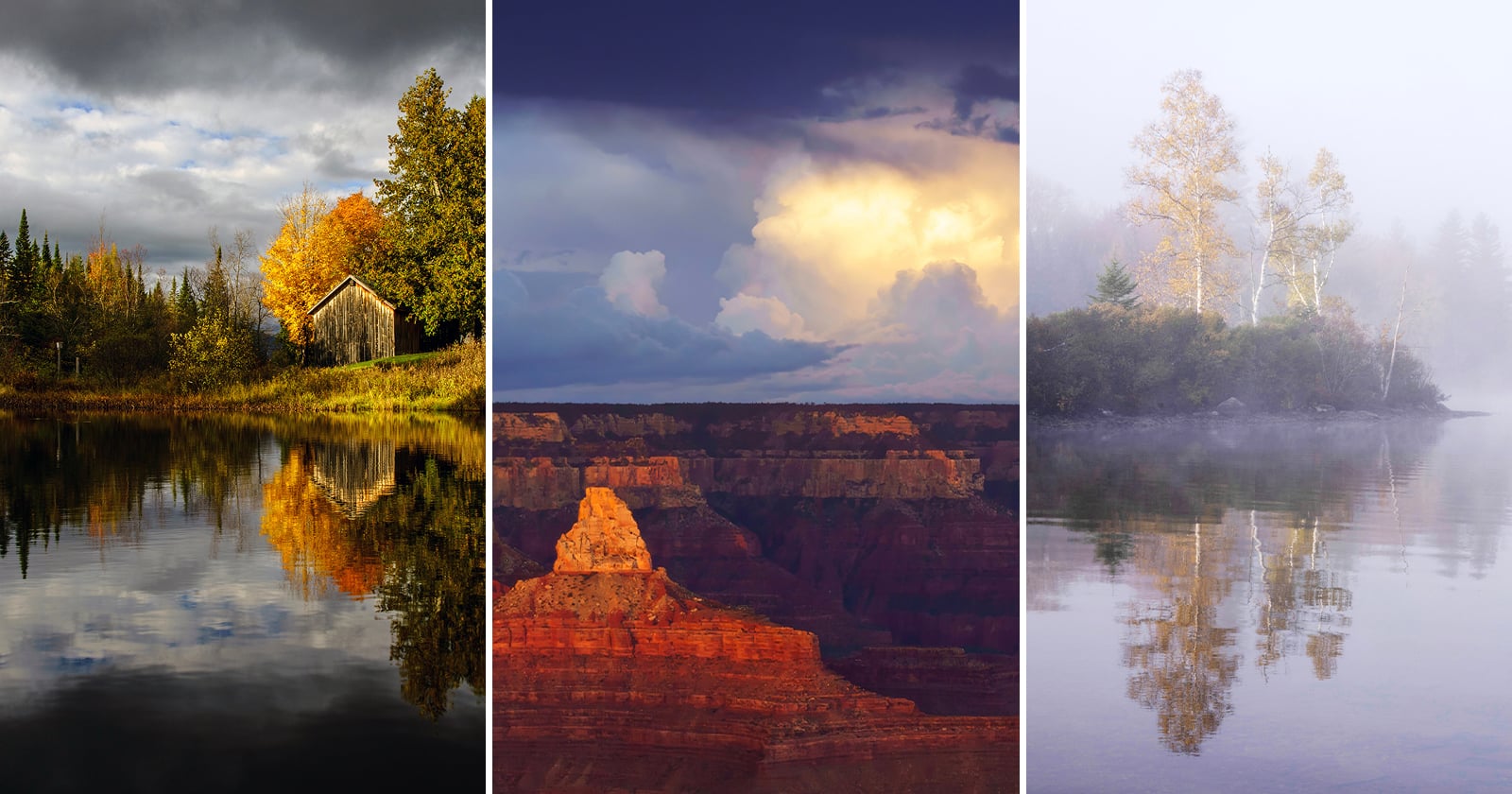
The pursuit of the “perfect” weather for landscape photography has long dictated the schedules and aspirations of visual artists. For years, many have chased the golden hour, meticulously planning shoots around fleeting moments of ideal light. However, a refreshing perspective emerges from Kate Garibaldi’s recent piece, "How Photographers Can Turn ‘Bad’ Weather Into Better Landscape Images," which encourages a paradigm shift – embracing the unpredictable and understanding the unique artistic potential held within challenging conditions. This isn't merely about adapting to less-than-ideal circumstances; it's about actively seeking out and harnessing them. This aligns perfectly with our ongoing exploration of how photographers can elevate their craft through technical mastery and innovative approaches, as demonstrated in articles like [The White Balance Setting that Makes Portrait and Landscapes Better] and [Your Camera Might be Able to Shoot Panoramas, so Why Haven’t You?]. The ability to manipulate settings and utilize tools effectively, as Garibaldi outlines, transforms a perceived limitation into an opportunity for compelling and original work.
Garibaldi’s two decades of experience shine through, offering practical advice that moves beyond generic tips. She doesn't suggest simply "waiting it out," but rather dissects different weather types – fog, rain, snow – and reveals the specific compositional and technical strategies that can be employed to maximize their impact. The emphasis on preparation, from understanding exposure settings to selecting the right equipment, underscores the importance of proactive creativity. This is particularly relevant given the increasing complexity of modern photographic gear; photographers now have unprecedented control over their image-making process, allowing them to push beyond the constraints of natural light and actively sculpt the final result. Consider, too, how lens choices, as discussed in detail in [Fujinon GF 19-35mm and 32-90mm T3.5 Review: The Cure for What Ails], can further enhance the artistic possibilities when working with challenging weather—a wider aperture to capture a dramatic sky or a specific focal length to emphasize the textures of rain-soaked foliage.
The broader significance of this approach extends beyond simply improving individual photographs. It challenges the notion of a singular "ideal" aesthetic, encouraging photographers to develop a more nuanced and adaptable artistic vision. By actively seeking out and mastering the art of capturing landscapes in less predictable conditions, photographers can cultivate a distinctive style, moving away from the often-homogenized look that results from chasing the same golden hour light. This also speaks to a broader cultural shift towards authenticity and embracing imperfections – a sentiment that resonates deeply within creative communities. It’s a move away from manufactured perfection towards capturing the raw, unfiltered beauty of the natural world, in all its complexity. It’s about finding artistry not in spite of the weather, but because of it.
Ultimately, Garibaldi’s article serves as a valuable reminder that the most compelling photographs often emerge from unexpected circumstances. It’s a call to action for photographers to abandon the passive role of waiting for ideal conditions and instead embrace an active, experimental approach. As climate patterns continue to shift and weather becomes increasingly unpredictable, this adaptability will be not just a desirable skill, but a necessity. What new creative avenues will emerge as photographers increasingly embrace and master the art of capturing landscapes under extreme or unusual weather conditions—and how will this influence the very definition of landscape photography itself?
After more than 20 years photographing landscapes in changing conditions, I've learned that the goal isn't to wait for perfect weather, but to understand what each type of weather can offer and be prepared to make the most of it. This guide covers how to harness those conditions with the right techniques, settings, and tools to turn unpredictable weather into powerful compositions.
Read on the original site
Open the publisher's page for the full experience