How This Photographer’s Stock Images of Her Dog Became a Viral Meme
Our take
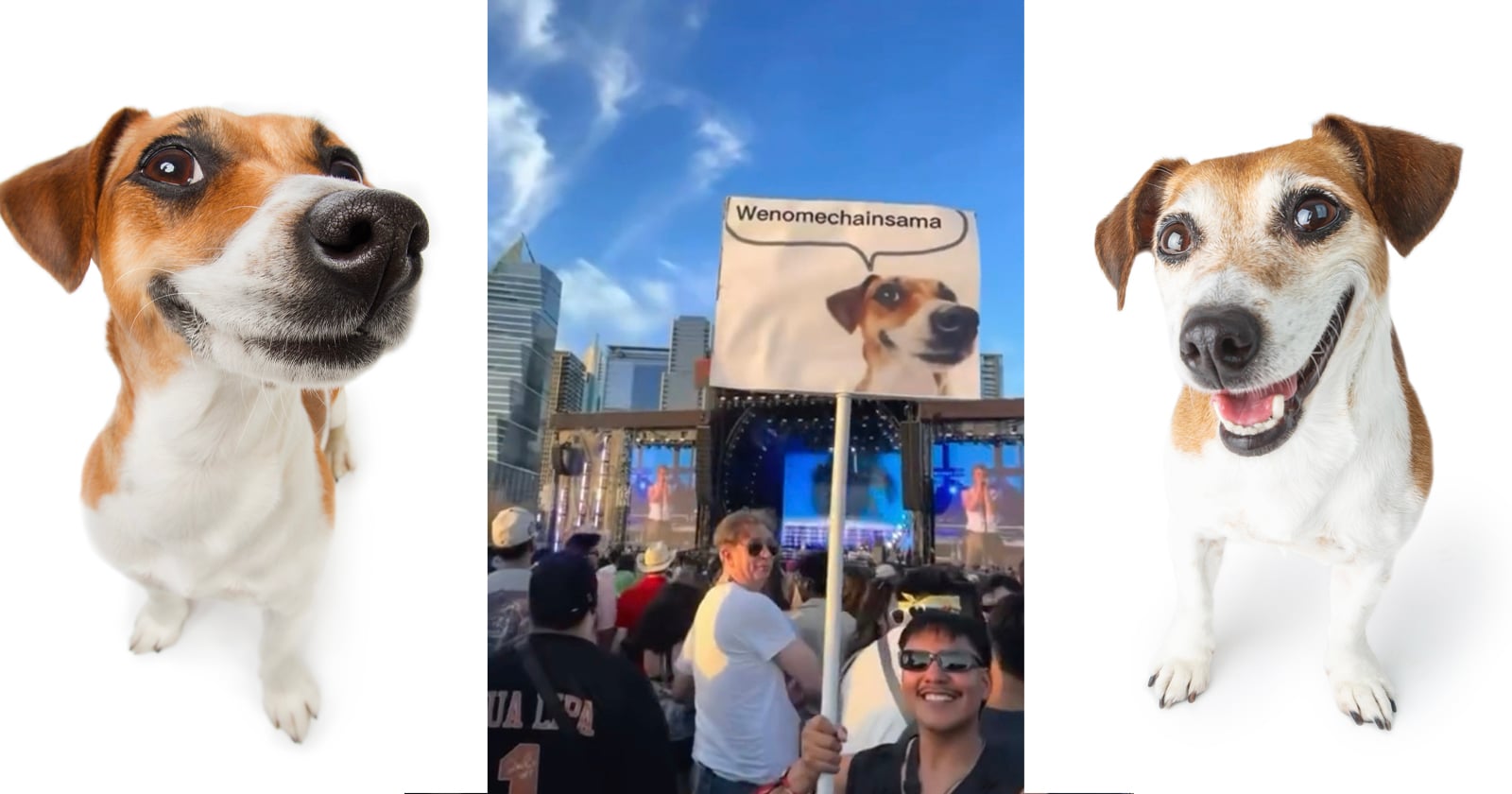
The internet’s relentless capacity for unexpected virality has struck again, this time transforming a photographer’s practice into a meme phenomenon. Iryna Kalamurza, while working at a photo studio, used her downtime to hone her lighting skills with her dog, Maya, creating a series of stock images that, in retrospect, possessed an uncanny meme-ability. The story, as detailed in PetaPixel, highlights the fascinating intersection of artistic practice, chance, and the digital landscape. It’s a reminder that even the most meticulously crafted images, intended for a specific commercial purpose, can be recontextualized and transformed by online culture in ways entirely unforeseen by their creator. The unexpected journey of these images resonates with our audience, who appreciate both the technical skill of photography—as showcased in [The Best Travel Photography Kit For Sony Users in 2026]—and the creative ingenuity required to capture compelling visuals. Seeing these seemingly standard stock photos morph into a viral sensation underscores the ever-shifting nature of artistic value and recognition in the digital age, a concept further explored in [How to Make Images That Look Like They’re Retro Digital Without Photoshop], where the deliberate manipulation of aesthetics plays a crucial role in creating visual impact.
The meme itself, featuring Maya alongside a concert crowd holding a sign, is a testament to the power of juxtaposition and absurdity. It demonstrates how a single image, stripped of its original context, can acquire a new and often humorous meaning through collective interpretation. What started as a practice exercise in lighting and composition has evolved into a shared cultural reference point, a digital inside joke accessible to a vast online audience. This phenomenon isn’t entirely new; countless images have found second lives as memes, often bearing little resemblance to their initial purpose. However, the fact that these images were *intended* as stock photography—designed for commercial use and devoid of any inherent narrative—makes the meme’s emergence all the more intriguing. It speaks to a broader trend of reclaiming and repurposing existing imagery, transforming the mundane into the extraordinary through the lens of internet culture.
Beyond the amusement factor, this story offers valuable insights for photographers and creatives. It emphasizes the importance of adaptability and embracing the unpredictable nature of online visibility. While artists may strive for control over the interpretation and dissemination of their work, the reality is that the internet operates on its own terms. Kalamurza’s experience suggests that even seemingly ordinary creations can find an audience and achieve recognition in unexpected ways. It’s a lesson in letting go of rigid expectations and appreciating the organic evolution of artistic expression in the digital sphere. Considering the increasing role of specialized equipment and techniques in photography, as discussed in [GoBirding Vision Master Scope Review: It Takes The Guesswork Out Of Bird Photography], it’s easy to focus solely on the technical aspects of image creation. However, this viral meme serves as a potent reminder that sometimes, the most impactful moments arise from the simplest of circumstances.
Ultimately, the story of Maya the meme dog raises a compelling question: what does it mean for artistic value in an age where images can be instantly shared, remixed, and reinterpreted by anyone with an internet connection? As online culture continues to evolve, will we see a shift in how artistic merit is defined and recognized? Will the ability to generate viral content become a new measure of success for photographers and creatives? It’s a landscape ripe for observation, and one that promises to continue reshaping the boundaries of art and digital engagement.
Between shoots at the photo studio where she was working, photographer Iryna Kalamurza would take advantage of her free time to practice her lighting and use her dog Maya as a model.
Read on the original site
Open the publisher's page for the full experience