How This Photographer Turned Drone Photography Into a Creative Advantage
Our take
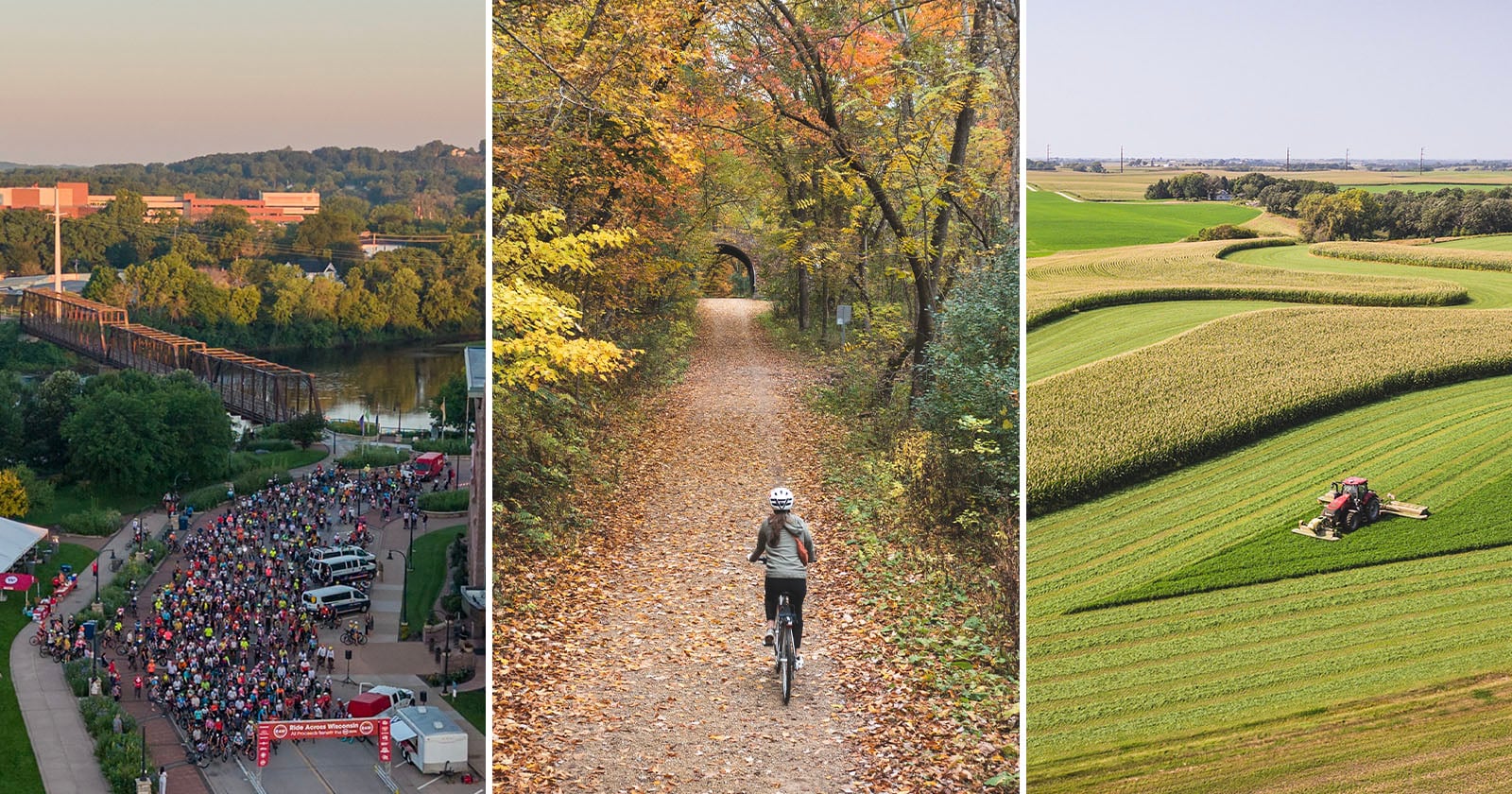
The creative landscape is in constant flux, and the article highlighting Megan Zabel Holmes’s integration of drone photography into her business perfectly encapsulates this reality. Photography, once a domain defined by technical mastery and a keen eye, is now battling an unprecedented level of saturation. While exceptional skill remains paramount, simply possessing those skills isn't enough to guarantee visibility or sustained success. The rise of accessible technology – smartphones with increasingly sophisticated cameras, readily available editing software – has democratized image creation, but also intensified competition. This necessitates a proactive approach, a willingness to adapt, and a pursuit of unique differentiators. Holmes’s story is a compelling case study in how embracing new technologies, specifically commercial drone piloting, can be a powerful tool for photographers seeking to carve out a distinct niche and attract a broader clientele. For those looking to explore the broader impact of technology on creative fields, we recently examined The Evolving Role of AI in Photography and its implications for both creators and consumers.
Holmes’s success isn’t simply about adding another tool to her repertoire; it's about fundamentally expanding her creative possibilities. Aerial perspectives offer a unique vantage point, revealing compositions and storytelling opportunities previously inaccessible. This unlocks new avenues for commercial work – real estate, event photography, landscape documentation – and elevates her artistic portfolio with a distinctive aesthetic. The ability to capture dynamic, sweeping visuals sets her apart from photographers relying solely on ground-level perspectives. Moreover, the article rightly points to the business advantages. Clients are increasingly seeking innovative and visually striking content, and the ability to offer drone photography provides a tangible competitive edge. It speaks to a forward-thinking approach, demonstrating a commitment to embracing evolving industry demands. We’ve previously explored similar narratives of diversification within creative industries; consider The Rise of the Hybrid Creative, which details how professionals are blending disciplines to enhance their offerings.
The implications extend beyond individual photographers. This trend suggests a broader shift towards multi-skilled creatives – individuals who aren’t confined to a single discipline but possess a diverse skillset. While specialization remains valuable, the ability to integrate different technologies and creative approaches will become increasingly crucial for navigating the modern marketplace. Drone photography, in particular, represents more than just a photographic technique; it’s a gateway to understanding airspace regulations, data management, and the ethical considerations surrounding aerial imagery. Mastering these aspects requires a level of dedication and expertise that further distinguishes skilled professionals. This also underscores the importance of continuous learning and adaptation – a vital trait for anyone seeking longevity in the creative industries. The legal and ethical considerations surrounding drone use are also becoming increasingly important, as highlighted in Navigating Drone Regulations for Creative Professionals.
Ultimately, Megan Zabel Holmes’s experience serves as an inspiring reminder that creative boundaries are meant to be pushed. The future of photography, and indeed many creative fields, lies in embracing innovation and demonstrating a willingness to evolve. As drone technology continues to advance, and regulations surrounding its use become more refined, will we see even more photographers integrating aerial perspectives into their work, or will the initial novelty fade, leading to a more selective adoption? The answer likely lies in the ability to leverage this technology not just as a technical tool, but as a means of enhancing storytelling and delivering truly unique and impactful visual experiences.
As photography becomes an increasingly competitive and crowded field, adding new skills can give photographers an important edge. In this exclusive PetaPixel interview, photographer and filmmaker Megan Zabel Holmes shares how becoming a commercial drone pilot has helped her stand out, attract new clients, and turn aerial work into a valuable part of her business.
Read on the original site
Open the publisher's page for the full experience